
Call Today to Get
$50 OFF Septic Repair
Call Today to Get
$50 OFF Septic Repair
07
Septic additives are everywhere. You’ll see them at hardware stores, advertised online, and often recommended as a way to “eliminate pumping” or “restore” your septic system naturally. For homeowners trying to save money and avoid hassle, they sound almost too good to pass up. But do septic additives really work, or are they just another marketing promise? Let’s take an honest look.
Septic additives are products you flush down your toilet or pour into your drains. They typically contain bacteria, enzymes, or chemicals that claim to break down waste faster, reduce odors, and extend the life of your septic system. Some are marketed as all-natural solutions that “replace” professional septic tank pumping.
On the surface, the idea makes sense. Your septic system relies on bacteria to break down waste, so adding more bacteria should help, right? Unfortunately, it’s not that simple.
Here’s an important fact many ads ignore: a healthy septic system already contains all the bacteria it needs. Human waste naturally introduces bacteria into the tank, and under normal conditions, those bacteria multiply on their own.
Most professional studies, including research referenced by environmental agencies, have found that store-bought additives don’t significantly improve how a septic system functions. In many cases, they do nothing at all. At worst, certain chemical additives can actually harm your system by killing existing bacteria or pushing solids into the drain field, leading to costly damage.
This is where the biggest myth shows up. No septic additive—bacteria-based or chemical—can eliminate the need for septic pumping in Mooresville.
Your septic tank has three layers: scum on top, liquid in the middle, and sludge at the bottom. While bacteria help break down some organic material, sludge still builds up over time. If it’s not removed through regular septic tank pumping, that sludge can overflow into your drain field and cause serious failures.
Skipping septic tank cleaning because you’re relying on additives often ends up costing homeowners far more in repairs than routine maintenance ever would.
There are limited situations where additives may help slightly. For example, if your household recently used antibiotics, harsh cleaners, or chemicals that disrupted bacteria levels, a basic bacterial additive may help rebalance the system. Even then, this should be viewed as a short-term support, not a cure or maintenance replacement.
Think of additives like a vitamin, not a repair tool. They don’t fix underlying issues, overloaded tanks, or neglected maintenance.
If you want to protect your septic system long-term, there’s no substitute for good habits and professional care.
These steps do far more for your system than any additive ever could.
Septic additives aren’t magic, and they’re not a replacement for proper care. In most cases, they provide little benefit and can create a false sense of security. The most reliable way to protect your investment is consistent septic pumping and expert maintenance.
At Charlotte Septic Pros, we believe in straightforward advice and proven solutions. If you’re unsure about your system’s condition or wondering whether additives are masking a bigger issue, our team is here to help. Schedule an inspection or septic tank pumping service today and get peace of mind knowing your system is being cared for the right way.
04
Residential vs Commercial Septic Services: What’s the Difference? Septic systems may all serve the same basic purpose—collecting, treating, and dispersing…
Read more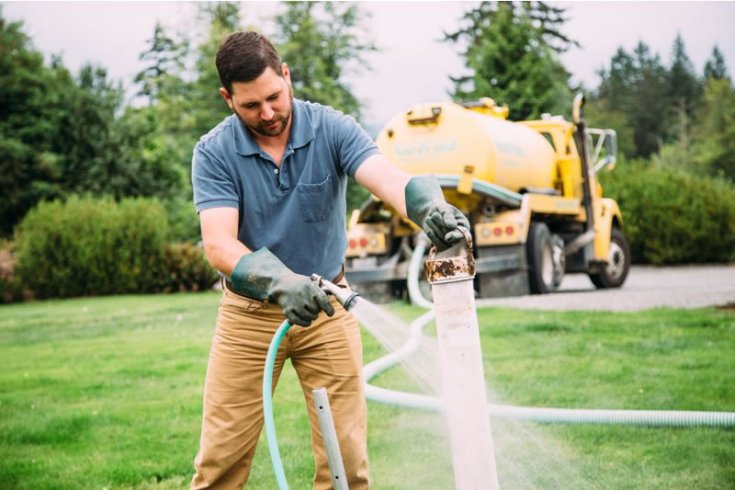
29
How to Protect Your Septic System During Busy Household Seasons Busy household seasons can put extra pressure on your septic…
Read more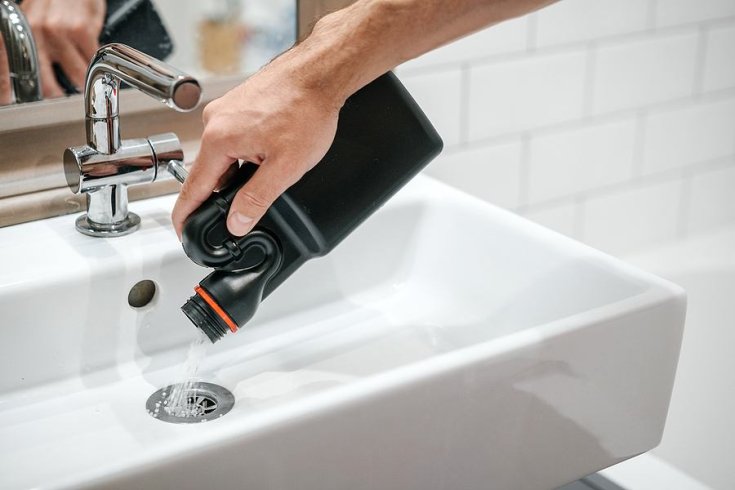
21
Why Harsh Chemicals Can Destroy Your Septic Tank Your septic system is one of the most important parts of your…
Read more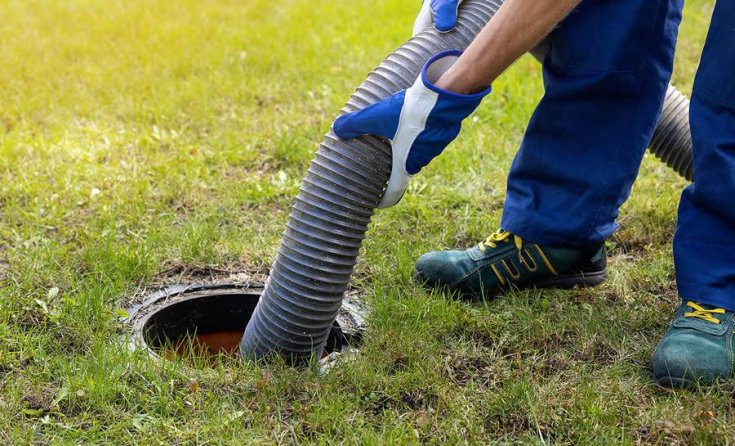
14
Why Homeowners Trust Professional Septic Services A healthy septic system is one of the most important parts of any home,…
Read more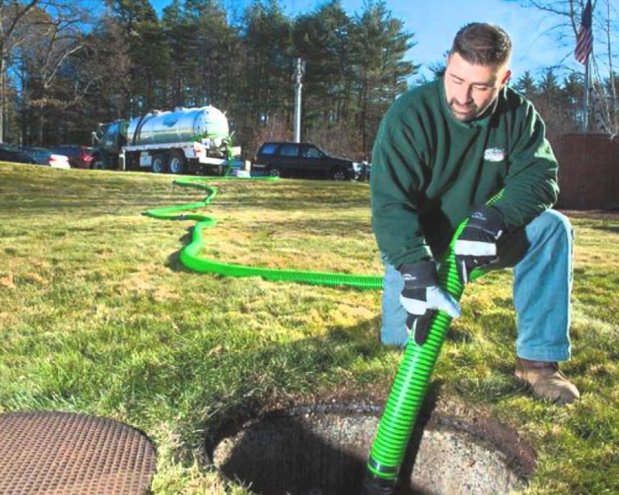
06
Behind the Scenes: What a Septic Company Does on a Job Site Most homeowners know they need septic help when…
Read more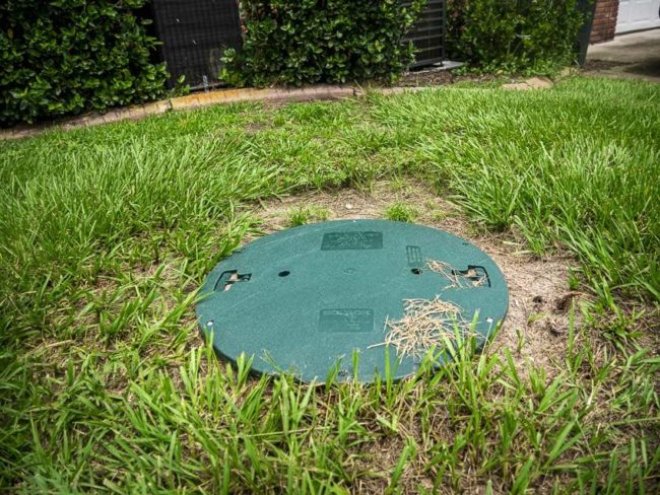
29
Quick Septic Tank Tips You Can Do in 5 Minutes Keeping your septic system in good condition doesn’t always require…
Read more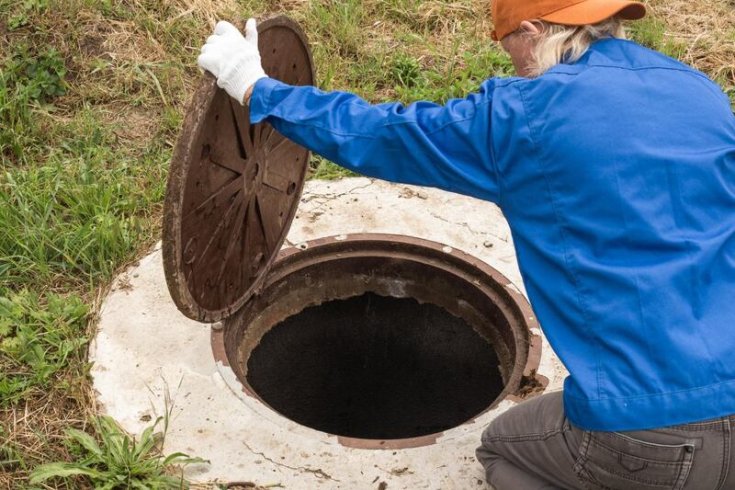
22
Can Heavy Rain Affect Your Septic System? Here’s the Truth When heavy rain hits your area, most homeowners think about…
Read more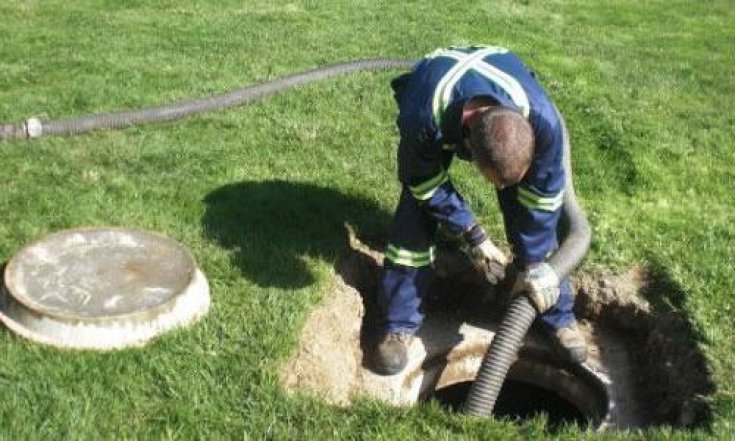
20
How to Extend the Life of Your Septic System Without Stress A well-maintained septic system is one of the most…
Read more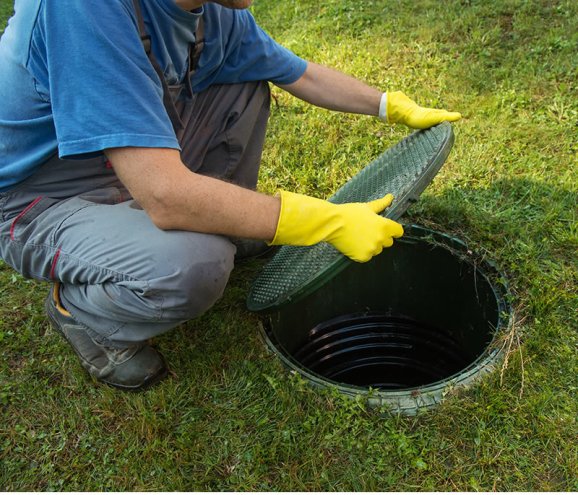
12
What I Wish I Knew Before Buying a Home with a Septic System Buying a home is an exciting milestone,…
Read more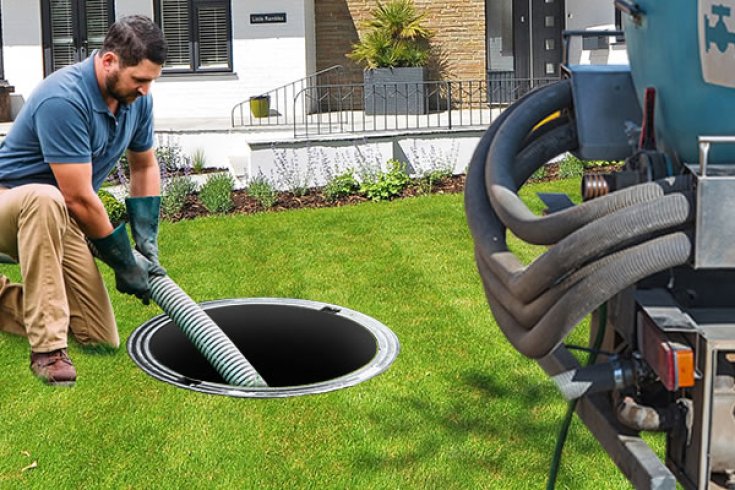
05
Emergency Septic Pumping: When You Should Call a Professional Septic systems are designed to handle household waste efficiently, but when…
Read more