

Call Today to Get
10% OFF Septic Repair
Call Today to Get
10% OFF Septic Repair

28
When wastewater starts rising into your bathtub, it’s more than just unpleasant—it’s a warning sign that something is wrong with your septic system. For homeowners, especially those relying on a private septic setup, this issue can quickly turn from inconvenient to costly. At Charlotte Septic Pros, we help homeowners understand the causes behind sewage backups and how proper septic maintenance can prevent them.
Your bathtub is typically one of the lowest drains in your home. When there’s a blockage or system overload, wastewater has nowhere else to go and may come up through the lowest available fixture. Here are the most common reasons this happens:
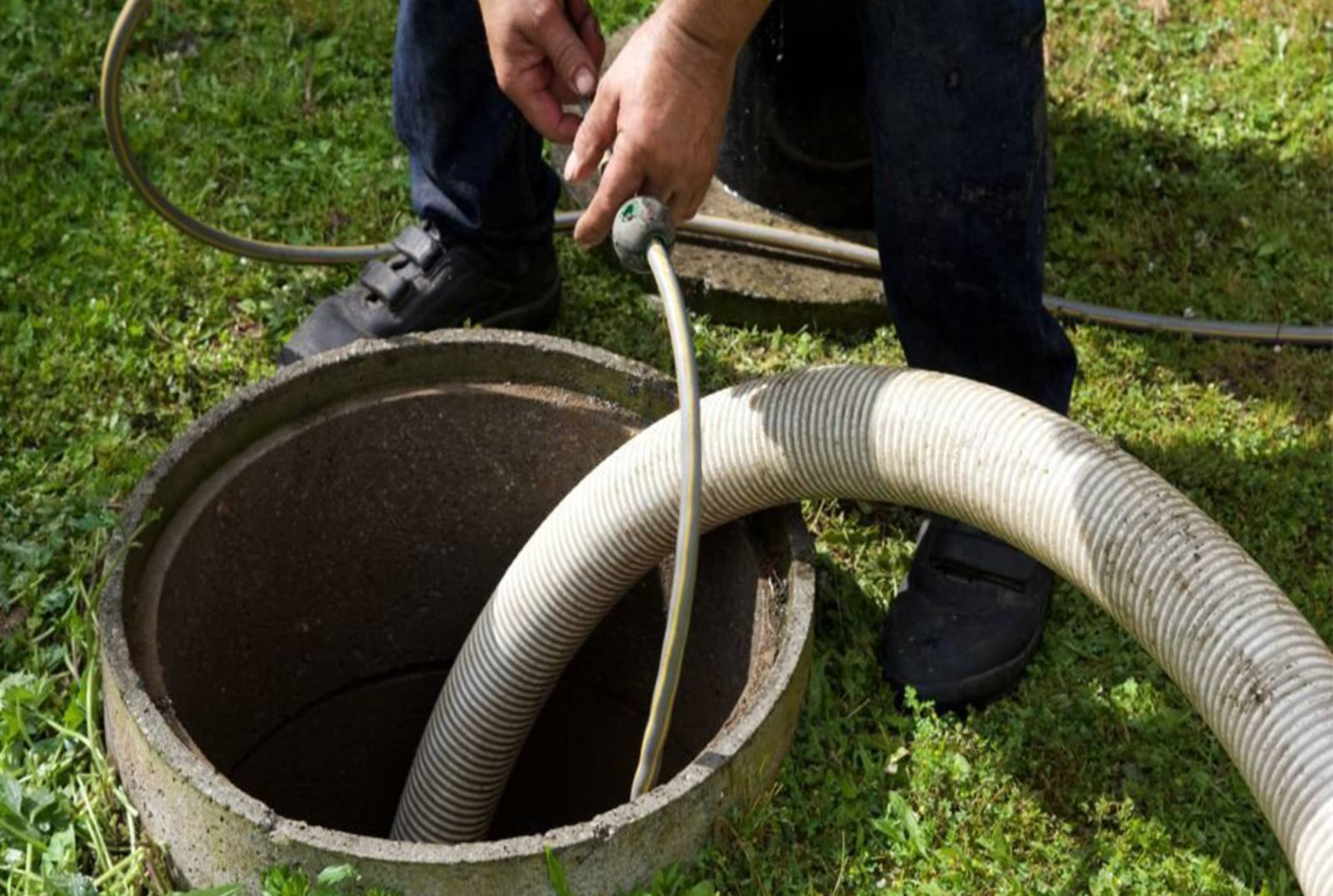
One of the most common causes of sewage backing up is a full septic tank. Over time, solid waste accumulates in the tank and must be removed through regular septic tank pumping. If the tank becomes too full, there’s no room for incoming wastewater. As a result, sewage can back up into your home’s drains, including the tub.
Routine septic cleaning prevents this buildup and ensures your tank continues operating efficiently. Most homes require septic tank pumping every 3–5 years, depending on usage and household size.
Blockages in your plumbing lines can also cause backups. Items like wipes (even “flushable” ones), feminine hygiene products, excessive toilet paper, grease, and food waste can clog the pipes leading to your septic tank. Tree roots may also infiltrate underground pipes, restricting flow.
When wastewater cannot move freely toward the septic tank, pressure builds and forces it back through drains. A professional septic service can inspect your lines and clear obstructions safely.
The drainfield plays a crucial role in filtering and dispersing wastewater into the soil. If it becomes saturated—often due to heavy rain, poor soil conditions, or lack of septic maintenance—effluent cannot properly drain. When this happens, wastewater may back up into the tank and eventually into your home.
Standing water, soggy patches in your yard, or foul odors near the drainfield are signs of potential failure. Early intervention by a trusted septic company can help minimize damage.
Using large amounts of water in a short period can overwhelm your septic system. Multiple loads of laundry, long showers, and running dishwashers simultaneously may exceed the system’s capacity.
When too much water enters the tank at once, solids can get stirred up and pushed toward the drainfield, increasing the risk of blockages. Spacing out water usage and being mindful of daily consumption supports proper septic maintenance.
Sewage backups pose serious health risks. Wastewater contains bacteria, viruses, and other harmful contaminants that can cause illness. Additionally, moisture damage to floors, walls, and subflooring can lead to costly repairs and mold growth.
If you notice slow drains, gurgling sounds, foul odors, or visible sewage in your tub, contact a professional septic service immediately. Delaying repairs can worsen the problem and increase expenses.
Prevention starts with regular care and professional inspections. Here’s how to protect your system.
Charlotte Septic Pros provides comprehensive septic cleaning, pumping, inspections, and repairs to keep your system running smoothly year-round.
Sewage backing up into your tub is never something to ignore. Whether the issue stems from a full tank, clogged lines, or drainfield problems, professional septic service is the safest and most effective solution.
At Charlotte Septic Pros, we specialize in thorough septic maintenance and fast, dependable response times. If you’re experiencing septic issues or simply want to stay ahead of potential problems, contact our experienced team today. Regular septic tank pumping and proactive care will help protect your home, your health, and your investment.

08
Beyond the Lids: What We Actually Look for Inside Your Septic Tank When most homeowners think about septic tank maintenance,…
Read more
03
5 Weird Noises Your Plumbing Makes When Your Septic System Needs Help Your plumbing usually operates quietly, so strange sounds…
Read more
25
Is That Smelly Yard Dangerously Toxic? Understanding Septic Odors A strange or unpleasant smell coming from your yard can be…
Read more
18
Septic System vs. Public Sewer: What New Homebuyers Need to Know Buying a home comes with a long list of…
Read more
13
Is Your Toilet Gurgling? What Your Plumbing Is Trying to Tell You A gurgling toilet is not an odd sound…
Read more
05
Tales from the Tank: The Craziest Things Found During a Routine Pumping Job When most homeowners think about septic tank…
Read more
30
Is Your Garbage Disposal Ruining Your Septic Tank? Kitchen cleanups become much easier with a garbage disposal, making it convenient…
Read more
21
Buying a Home in Charlotte with a Septic System? Here’s What You Need to Know Buying a home is a…
Read more
17
Slow Drains Everywhere? How to Tell Plumbing Clogs from Septic Failure When several drains in your home start slowing down…
Read more
03
Is That Smell Normal? What Different Septic Odors Actually Mean A septic system is designed to keep odors out of…
Read more