
Call Today to Get
$50 OFF Septic Repair
Call Today to Get
$50 OFF Septic Repair
21
Your septic system is one of the most important parts of your home, yet many homeowners accidentally damage it without realizing it. Everyday cleaning products, drain cleaners, and chemical solutions may seem harmless, but over time they can seriously harm your septic system. At Charlotte Septic Pros, we often help homeowners recover from costly damage caused by improper chemical use.
Understanding how harsh chemicals affect your system can help you avoid expensive repairs and keep your septic system functioning properly for years.
A septic system relies on natural bacteria to break down waste inside the tank. These beneficial bacteria are essential because they digest solids and help separate waste efficiently. Without healthy bacteria levels, solid waste builds up much faster, leading to clogs, backups, and even system failure.
Regular septic tank pumping and septic cleaning help remove excess sludge, but the overall health of the system depends heavily on maintaining the proper bacterial balance. When harsh chemicals enter the system, they can kill the bacteria your septic tank depends on.
Many products found in homes can negatively affect septic systems. Some of the worst offenders include:
Using these products occasionally in small amounts may not cause immediate damage, but repeated use can create serious problems over time. A trusted septic company will often remind homeowners that more cleaning power does not always mean safer for your plumbing or septic system.
One of the biggest issues with harsh chemicals is that the damage usually happens slowly. Homeowners may not notice a problem until the septic system begins backing up or draining poorly.
Here are some common problems caused by excessive chemical use:
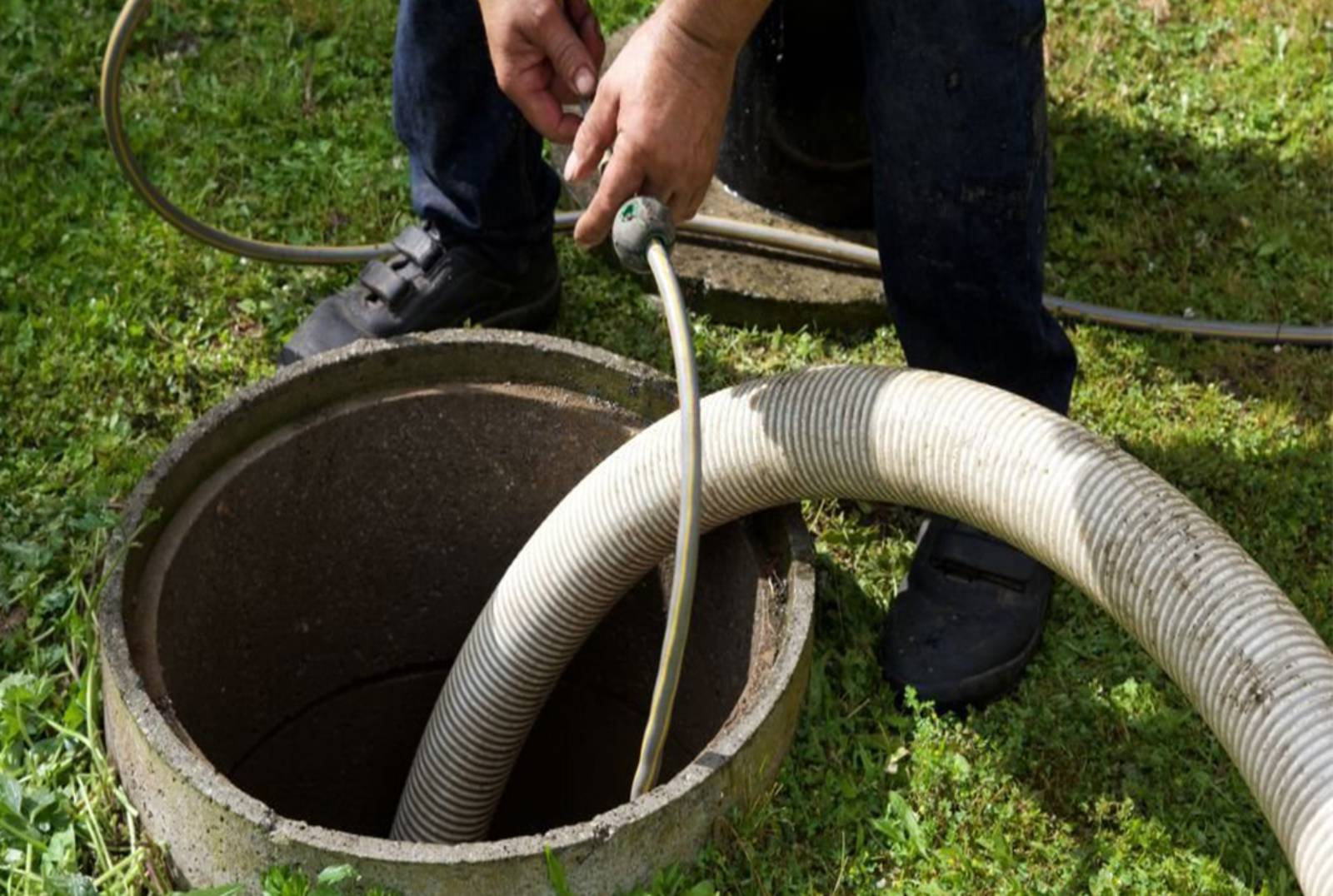
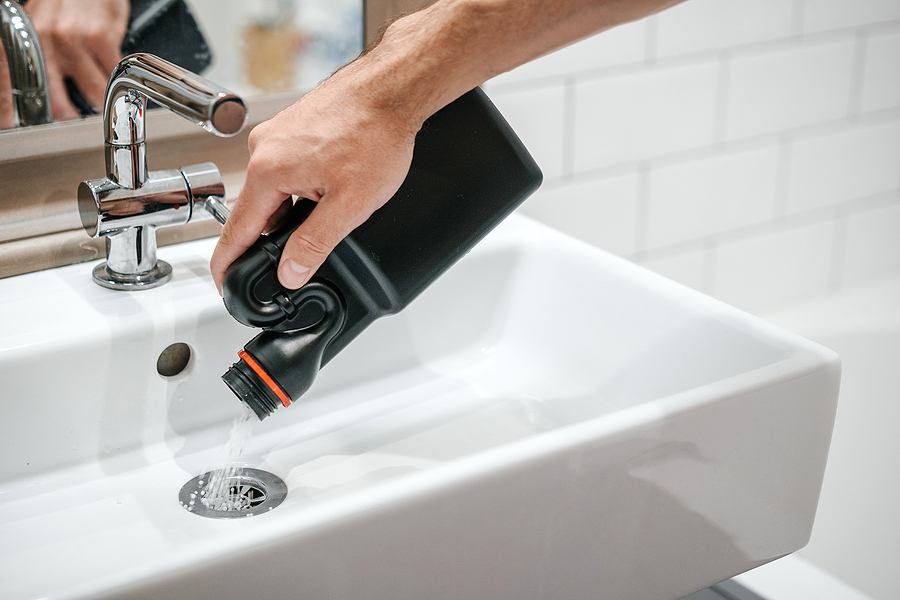
Chemical drain cleaners are among the worst products for septic systems. While they may temporarily clear a clog, they often contain highly corrosive ingredients that kill bacteria instantly.
Instead of relying on chemical solutions, homeowners should contact a professional septic service in Mint Hill or plumbing professional to safely address recurring drain problems. Natural alternatives such as hot water, baking soda, or enzyme-based cleaners are usually much safer for septic systems.
Fortunately, protecting your septic tank does not mean giving up a clean home. There are many septic-safe products available today that effectively clean without harming beneficial bacteria.
Here are some safer choices:
Using septic-friendly products can significantly extend the life of your system and reduce the need for emergency septic maintenance.
Even if you avoid harsh chemicals, regular septic maintenance is still essential. Routine inspections and septic cleaning help identify issues before they become major problems.
Professional maintenance services may include:
Experts at Charlotte Septic Pros can recommend the proper maintenance schedule based on your household size and system usage.
If harsh chemicals have already affected your septic system, you may notice warning signs such as:
Ignoring these symptoms can lead to much larger and more expensive repairs.
Harsh chemicals may seem like a quick solution for cleaning problems, but they can quietly destroy the balance your septic system needs to function properly. Protecting your system starts with using safer household products and scheduling regular septic maintenance.
At Charlotte Septic Pros, our experienced team provides dependable septic tank pumping, septic cleaning, and septic services to help homeowners avoid costly repairs and extend the life of their systems. By taking preventative steps today, you can keep your septic tank operating efficiently.
21
Why Harsh Chemicals Can Destroy Your Septic Tank Your septic system is one of the most important parts of your…
Read more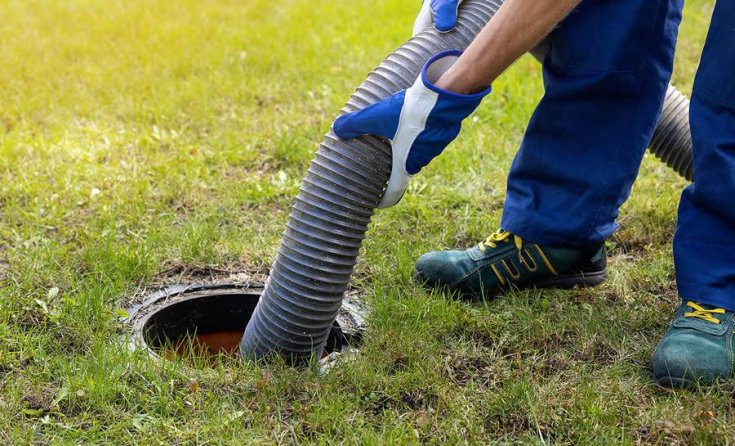
14
Why Homeowners Trust Professional Septic Services A healthy septic system is one of the most important parts of any home,…
Read more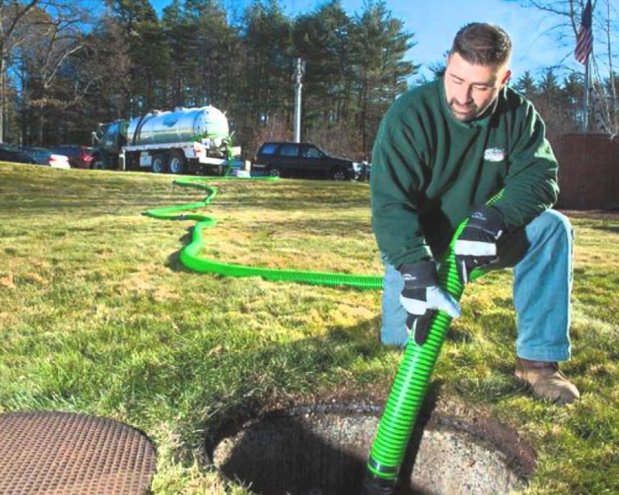
06
Behind the Scenes: What a Septic Company Does on a Job Site Most homeowners know they need septic help when…
Read more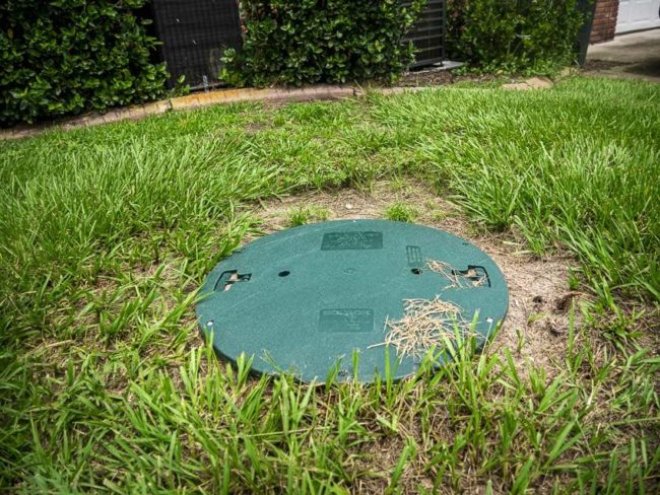
29
Quick Septic Tank Tips You Can Do in 5 Minutes Keeping your septic system in good condition doesn’t always require…
Read more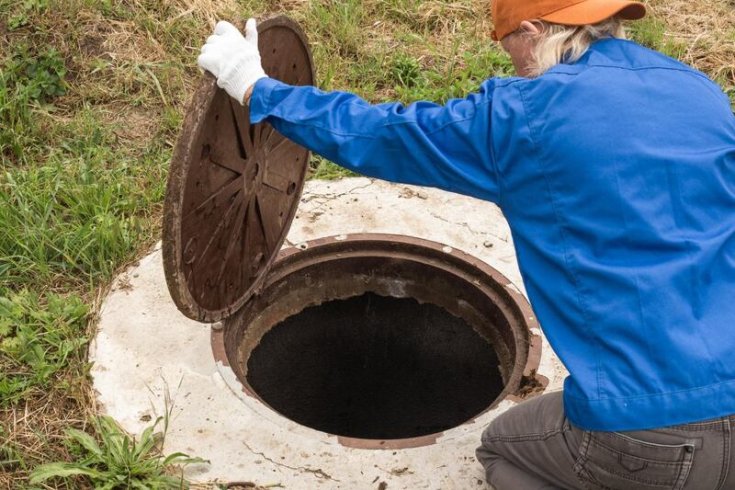
22
Can Heavy Rain Affect Your Septic System? Here’s the Truth When heavy rain hits your area, most homeowners think about…
Read more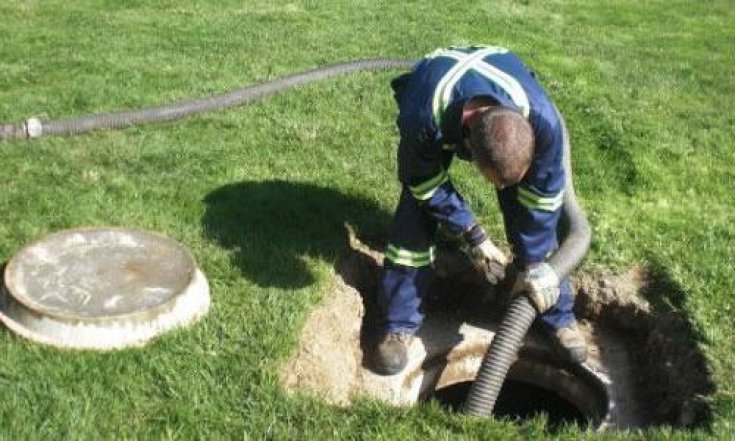
20
How to Extend the Life of Your Septic System Without Stress A well-maintained septic system is one of the most…
Read more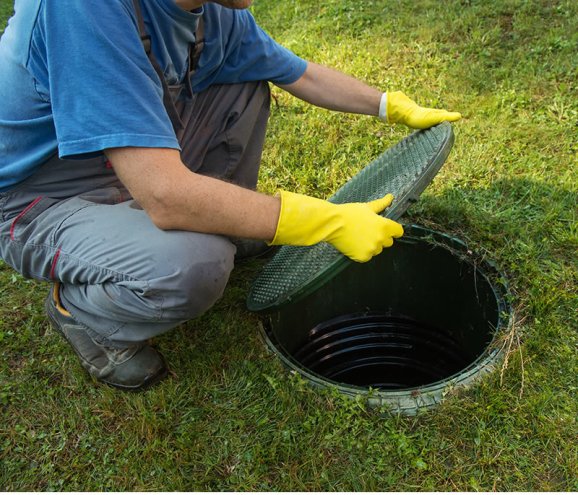
12
What I Wish I Knew Before Buying a Home with a Septic System Buying a home is an exciting milestone,…
Read more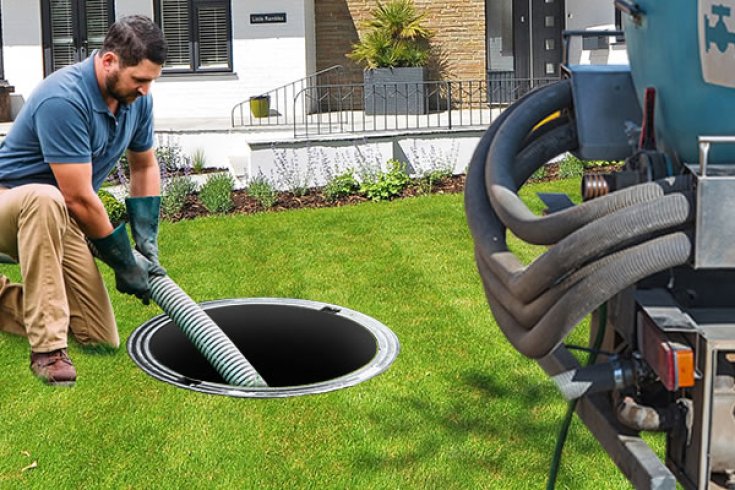
05
Emergency Septic Pumping: When You Should Call a Professional Septic systems are designed to handle household waste efficiently, but when…
Read more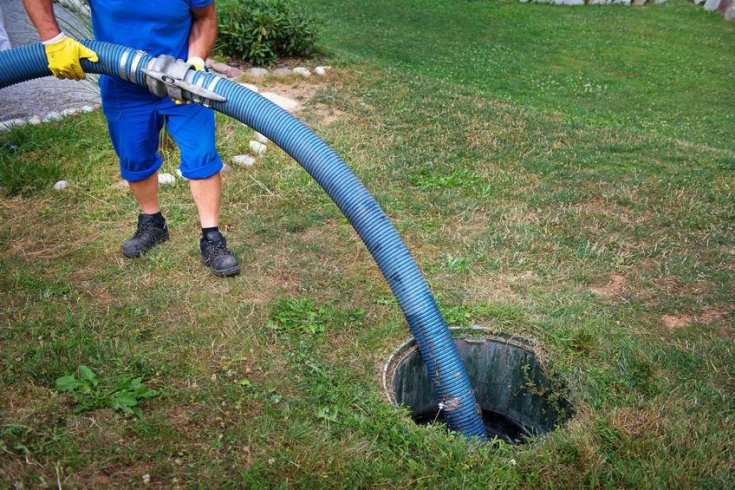
27
Why Is There Standing Water Near My Septic Tank? If you’ve noticed standing water near your septic tank, it’s a…
Read more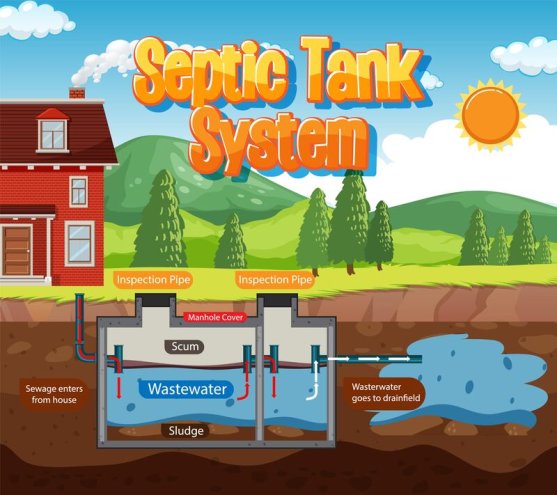
19
From Flush to Breakdown: The Journey Inside a Septic Tank When you flush your toilet or send water down your…
Read more