
Call Today to Get
$50 OFF Septic Repair
Call Today to Get
$50 OFF Septic Repair
22
When heavy rain hits your area, most homeowners think about flooded streets or soggy yards, but what about your septic system? If your home relies on a septic tank, excessive rainfall can have a significant impact on how well it functions. Understanding how weather affects your system can help you avoid costly repairs and keep everything running smoothly.
Septic systems are designed to treat wastewater through a combination of natural processes and soil filtration. However, when the ground becomes saturated from heavy rain, it can disrupt this delicate balance.
The drain field, which is responsible for filtering and dispersing wastewater, relies on unsaturated soil to function properly. When rainwater fills the soil, there’s no room left for the wastewater to be absorbed. This can lead to slow drainage, backups, and even system failure.
After a heavy storm, it’s important to pay attention to any unusual signs around your home. They could indicate that your septic system is struggling due to excess moisture.
Common warning signs include:
If you notice any of these issues, it may be time to consider septic service or professional inspection.
Regular septic tank pumping plays a critical role in maintaining your system, especially during rainy seasons. When your tank is full, it has less capacity to handle additional water flow. Combined with saturated soil, this can quickly overwhelm your system.
By scheduling routine septic tank pumping with Charlotte Septic Pros, you reduce the risk of overflow and ensure your system can handle unexpected conditions like heavy rain.
Consistent septic maintenance is your best defense against weather-related issues. This includes:
Reducing water use during heavy rainfall can make a big difference. Try to avoid doing laundry, running dishwashers, or taking long showers when your system is already under stress.
Yes, heavy rain can absolutely cause septic backups. When the drain field is flooded, wastewater has nowhere to go. This can force it back into your home through drains and toilets, creating a messy and potentially hazardous situation.
A professional septic company can assess your system and recommend solutions, such as improving drainage around your property or upgrading your system if needed.
While you can’t control the weather, you can take steps to protect your septic system.
These small actions can go a long way in preventing major problems.
If heavy rain has already caused issues with your system, don’t wait. A professional septic company like Charlotte Septic Pros can provide thorough septic cleaning, identify damage, and restore proper function. Ignoring the problem can lead to more severe damage and higher repair costs.
Heavy rain can definitely affect your septic system, but with proper septic maintenance, routine septic tank pumping, and timely septic service, you can minimize the risks. Staying proactive and recognizing early warning signs will help you avoid costly repairs and keep your system working efficiently, no matter the weather.
04
Residential vs Commercial Septic Services: What’s the Difference? Septic systems may all serve the same basic purpose—collecting, treating, and dispersing…
Read more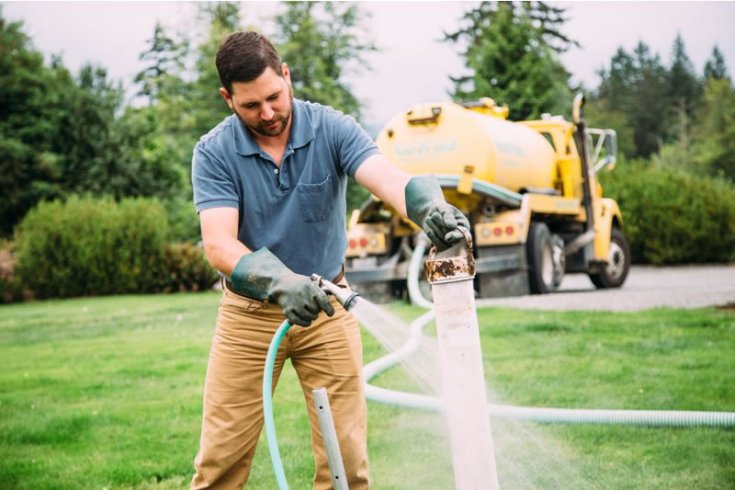
29
How to Protect Your Septic System During Busy Household Seasons Busy household seasons can put extra pressure on your septic…
Read more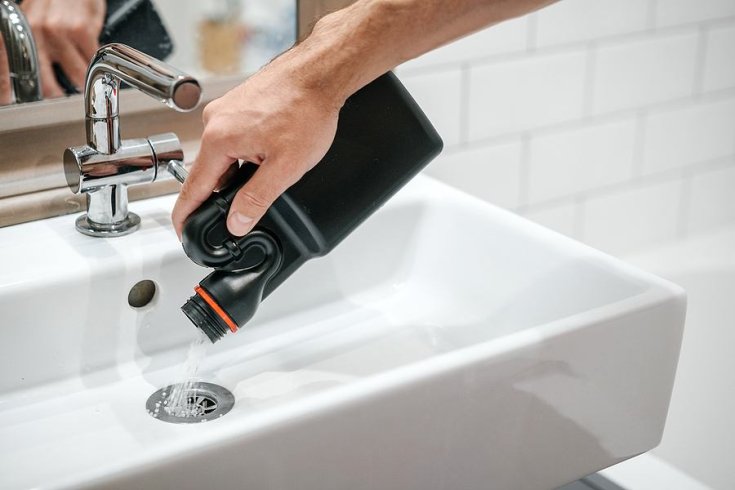
21
Why Harsh Chemicals Can Destroy Your Septic Tank Your septic system is one of the most important parts of your…
Read more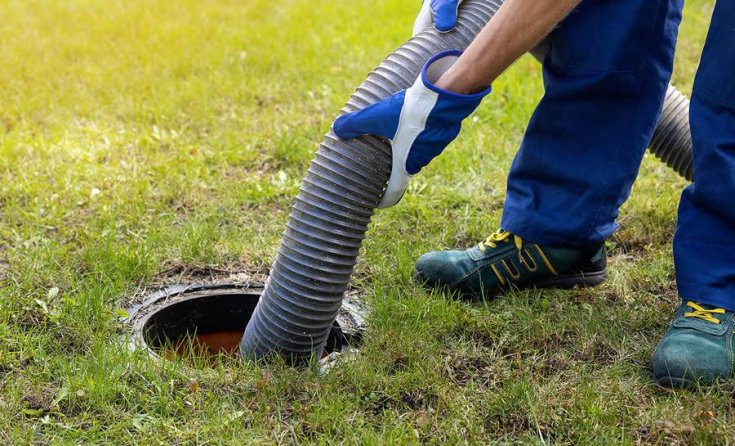
14
Why Homeowners Trust Professional Septic Services A healthy septic system is one of the most important parts of any home,…
Read more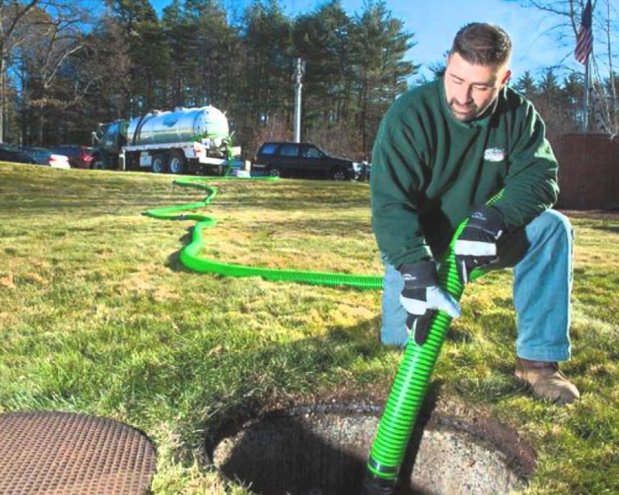
06
Behind the Scenes: What a Septic Company Does on a Job Site Most homeowners know they need septic help when…
Read more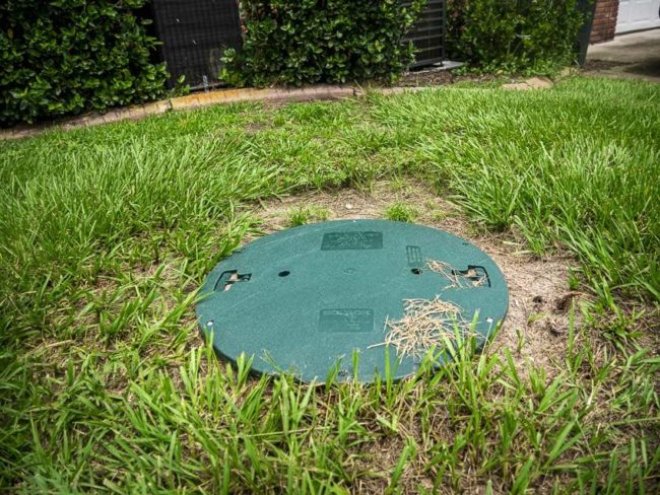
29
Quick Septic Tank Tips You Can Do in 5 Minutes Keeping your septic system in good condition doesn’t always require…
Read more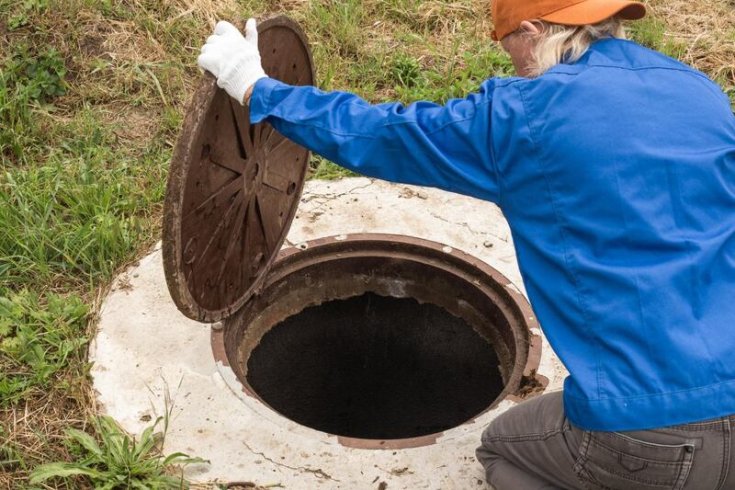
22
Can Heavy Rain Affect Your Septic System? Here’s the Truth When heavy rain hits your area, most homeowners think about…
Read more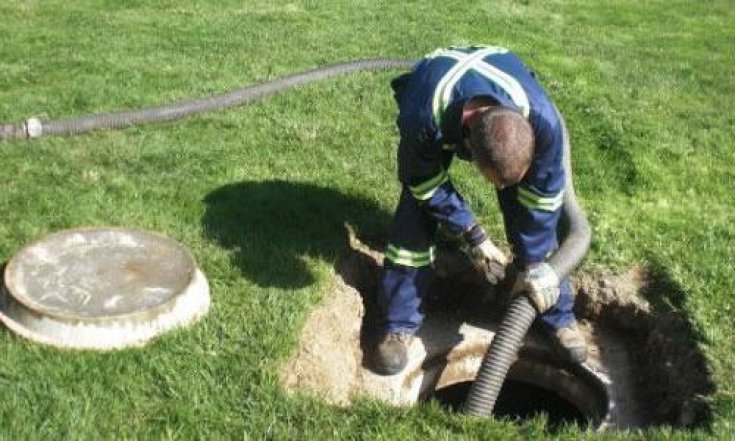
20
How to Extend the Life of Your Septic System Without Stress A well-maintained septic system is one of the most…
Read more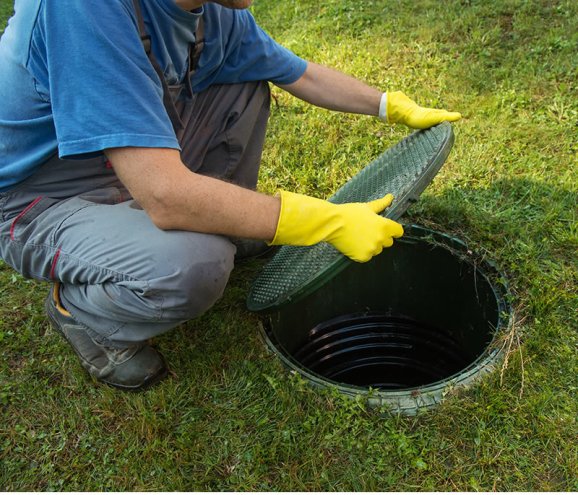
12
What I Wish I Knew Before Buying a Home with a Septic System Buying a home is an exciting milestone,…
Read more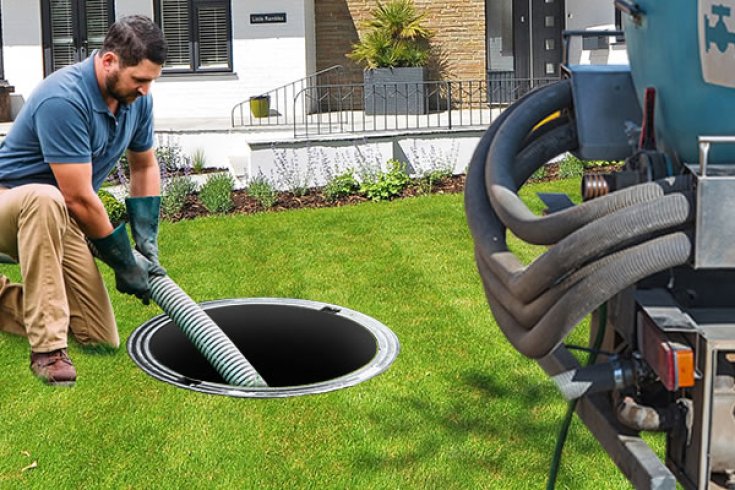
05
Emergency Septic Pumping: When You Should Call a Professional Septic systems are designed to handle household waste efficiently, but when…
Read more