
Call Today to Get
$50 OFF Septic Repair
Call Today to Get
$50 OFF Septic Repair
04
Septic systems may all serve the same basic purpose—collecting, treating, and dispersing wastewater—but not every system works under the same conditions. A small household septic system and a large commercial septic system can differ greatly in size, design, usage, maintenance needs, and service frequency. Understanding the difference between residential and commercial septic services can help property owners choose the right care plan and avoid costly problems.
Charlotte Septic Pros provides septic tank pumping, septic cleaning, septic service, septic maintenance, and repair support for both homeowners and businesses. Whether the system serves a single-family home or a busy commercial property, proper maintenance is essential for keeping wastewater flowing safely and efficiently.
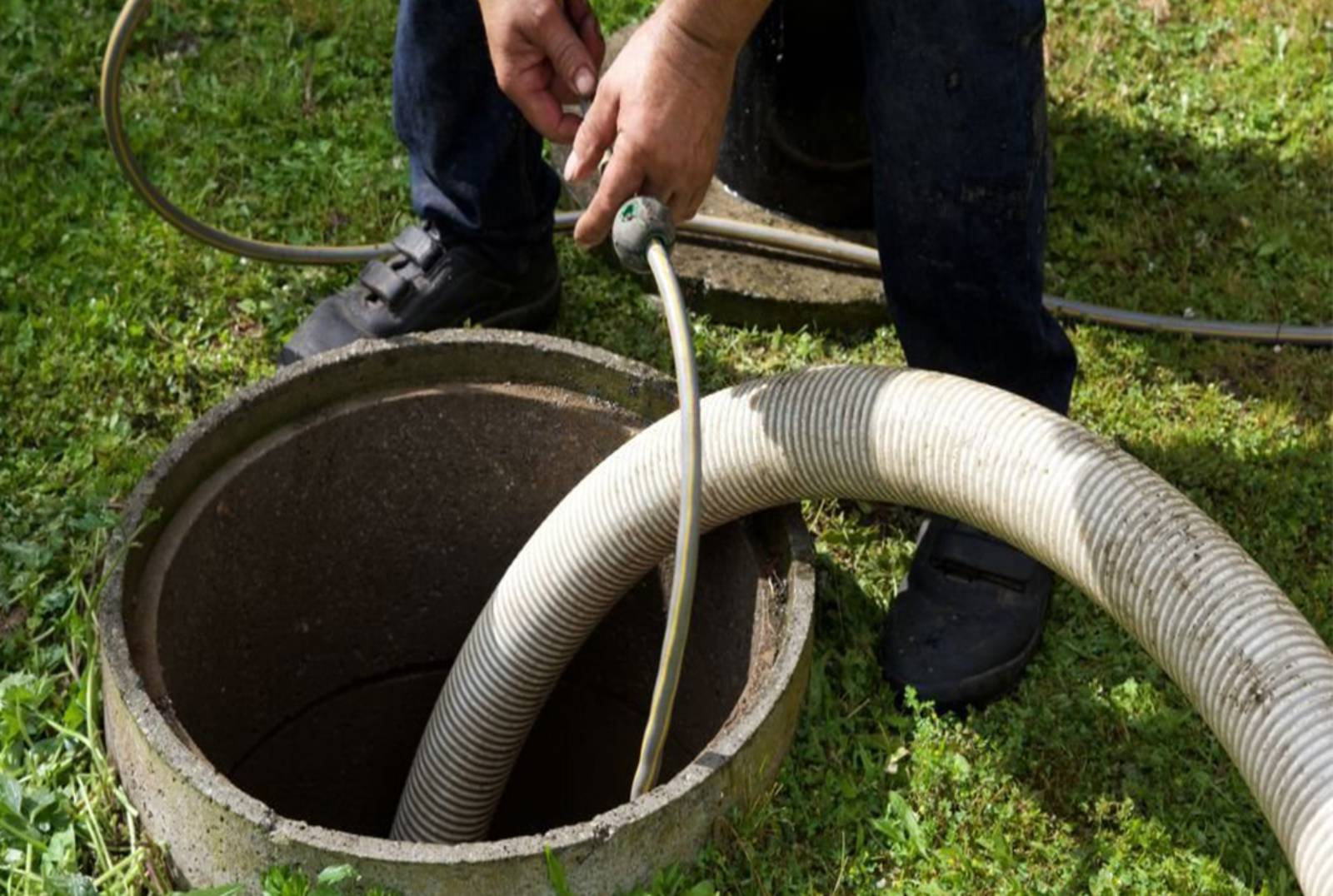
Residential septic systems are typically designed for homes, small rental properties, or private residences. These systems usually handle wastewater from bathrooms, kitchens, laundry rooms, and household drains. Because the usage is based on the number of people living in the home, residential septic service schedules are usually easier to predict.
For most households, septic tank pumping is needed every few years, depending on tank size, household size, water usage, and the condition of the system. A family that uses a lot of water, runs frequent laundry loads, or has a garbage disposal may need septic maintenance more often than a smaller household.
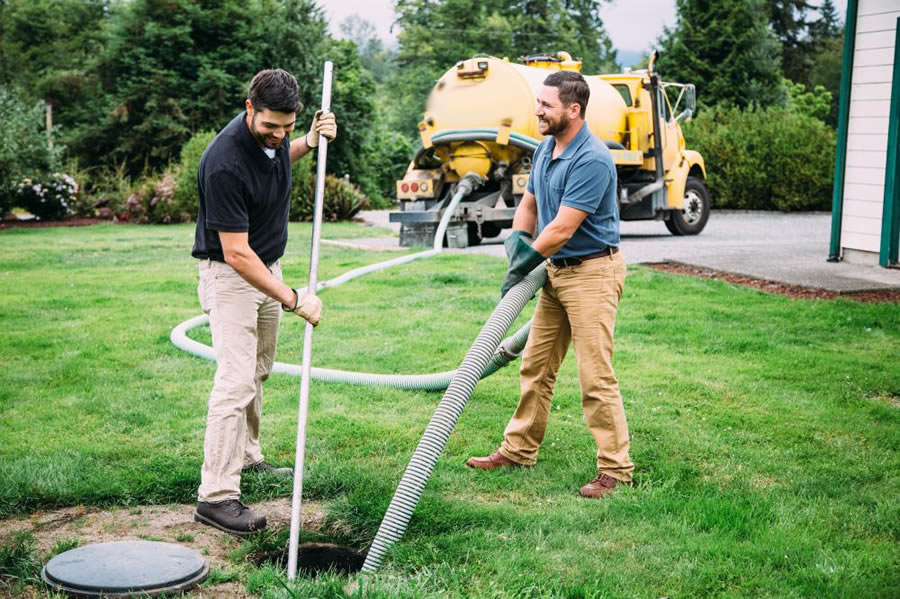
Residential septic cleaning usually focuses on removing sludge and scum buildup from the tank before it can cause backups, odors, or drain field problems. During a routine septic service appointment, a septic company may also inspect the tank, check for signs of leaks, evaluate the inlet and outlet baffles, and look for early warning signs of system stress.
Common residential septic concerns include:
For homeowners, the goal of septic maintenance is prevention. A neglected septic system can lead to messy indoor backups, yard damage, drain field failure, and expensive repairs.
Commercial septic systems are designed for businesses, offices, restaurants, retail buildings, churches, schools, industrial sites, and other high-use properties. These systems often handle much larger volumes of wastewater than residential systems. In many cases, they also deal with heavier daily usage and more demanding waste loads.
Because commercial properties may have employees, customers, restrooms, kitchens, floor drains, or specialized equipment, their septic systems require a more customized service plan. A restaurant, for example, may need more frequent septic cleaning than an office building because of grease, food waste, and heavy water use. A daycare, church, or event facility may experience peak usage during certain days or seasons, which also affects septic maintenance needs.
Commercial septic tank pumping is often scheduled more frequently than residential pumping. Businesses cannot afford unexpected downtime caused by sewage backups or foul odors. A septic issue at a commercial property may interrupt operations, create health concerns, and affect customer confidence.
Commercial septic service may include:
A reliable septic company can help businesses stay ahead of problems by creating a maintenance schedule based on actual system usage rather than guesswork.
The biggest difference between residential and commercial septic services is demand. Residential systems usually serve a limited number of people, while commercial systems may serve dozens or even hundreds of users in a single day.
Commercial systems are often larger, more complex, and subject to heavier wear. They may require larger tanks, advanced treatment components, lift stations, or more frequent inspections. Residential systems, while generally simpler, still require consistent care to avoid failure.
Another major difference is urgency. A septic problem at home is stressful and inconvenient, but a septic problem at a business can also affect revenue, employees, customers, and daily operations. That is why commercial septic maintenance must be proactive and carefully scheduled.
Whether a property is residential or commercial, septic systems should never be ignored. Regular septic tank pumping helps prevent solid waste from overflowing into the drain field. Septic cleaning reduces buildup inside the tank, and routine inspections can reveal small issues before they turn into major repairs.
Charlotte Septic Pros understands that every property has different needs. Homeowners may need dependable maintenance every few years, while business owners may need a more frequent and detailed septic service plan. Working with an experienced septic company helps protect the system, the property, and the people who rely on it every day.
04
Residential vs Commercial Septic Services: What’s the Difference? Septic systems may all serve the same basic purpose—collecting, treating, and dispersing…
Read more
29
How to Protect Your Septic System During Busy Household Seasons Busy household seasons can put extra pressure on your septic…
Read more
21
Why Harsh Chemicals Can Destroy Your Septic Tank Your septic system is one of the most important parts of your…
Read more
14
Why Homeowners Trust Professional Septic Services A healthy septic system is one of the most important parts of any home,…
Read more
06
Behind the Scenes: What a Septic Company Does on a Job Site Most homeowners know they need septic help when…
Read more
29
Quick Septic Tank Tips You Can Do in 5 Minutes Keeping your septic system in good condition doesn’t always require…
Read more
22
Can Heavy Rain Affect Your Septic System? Here’s the Truth When heavy rain hits your area, most homeowners think about…
Read more
20
How to Extend the Life of Your Septic System Without Stress A well-maintained septic system is one of the most…
Read more
12
What I Wish I Knew Before Buying a Home with a Septic System Buying a home is an exciting milestone,…
Read more
05
Emergency Septic Pumping: When You Should Call a Professional Septic systems are designed to handle household waste efficiently, but when…
Read more