
Call Today to Get
$50 OFF Septic Repair
Call Today to Get
$50 OFF Septic Repair
12
Buying a home is an exciting milestone, but if your property relies on a septic system, there are some important things you should understand before signing the dotted line. Many homeowners are unfamiliar with how septic systems work, and overlooking key details can lead to costly repairs and unexpected stress. At Charlotte Septic Pros, we’ve helped countless homeowners navigate these systems, and here’s what many wish they had known from the start.
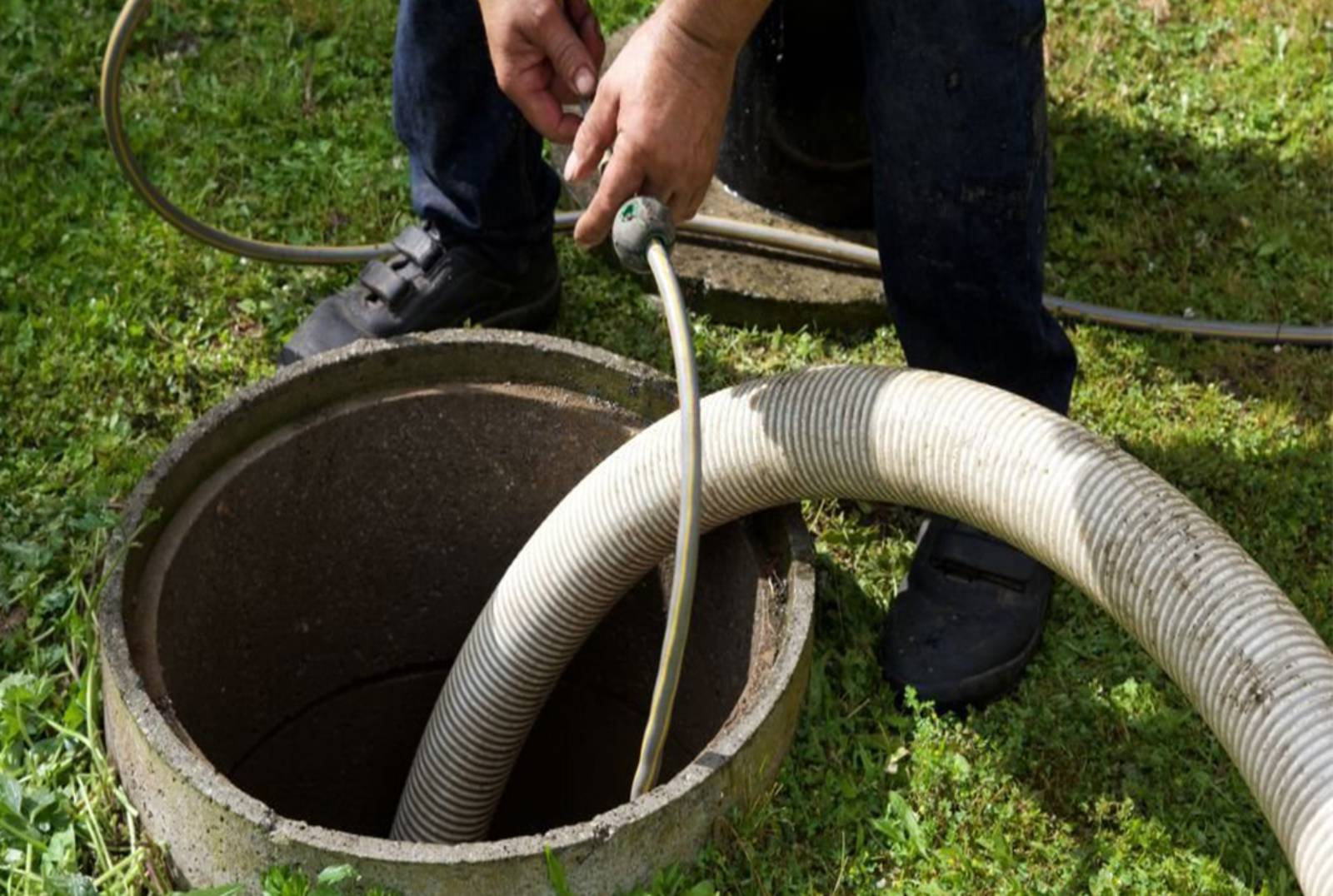
Unlike homes connected to a municipal sewer system, septic systems are entirely your responsibility. That means routine septic maintenance is not optional—it’s essential. Regular septic tank pumping is necessary to prevent solids from building up and causing system failure. Most households need pumping every 3–5 years, but this can vary depending on usage and tank size. Skipping this step can lead to backups, unpleasant odors, and expensive repairs.
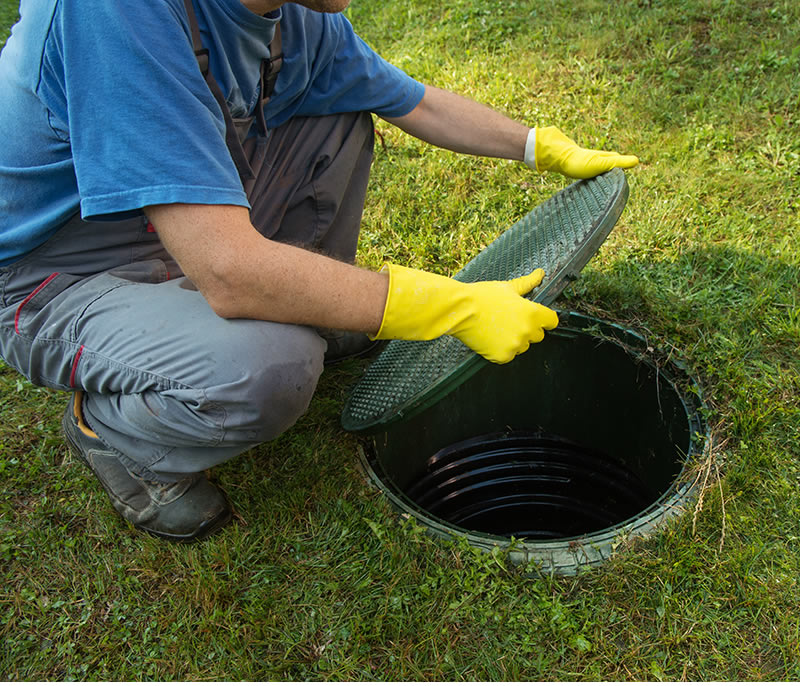
One of the biggest mistakes buyers make is not scheduling a professional septic inspection. A general home inspection often doesn’t include a detailed septic evaluation. Hiring a qualified septic company to assess the system ensures you understand its current condition, age, and potential issues. This includes checking for leaks, drainage problems, and whether the system complies with local regulations.
Septic systems rely on a delicate balance of bacteria to break down waste. Excessive water use can overwhelm the system, pushing solids into the drain field and reducing its effectiveness. Simple habits like spacing out laundry loads, fixing leaks promptly, and using water-efficient fixtures can make a big difference. Responsible water usage helps extend the life of your system and reduces the need for frequent septic cleaning.
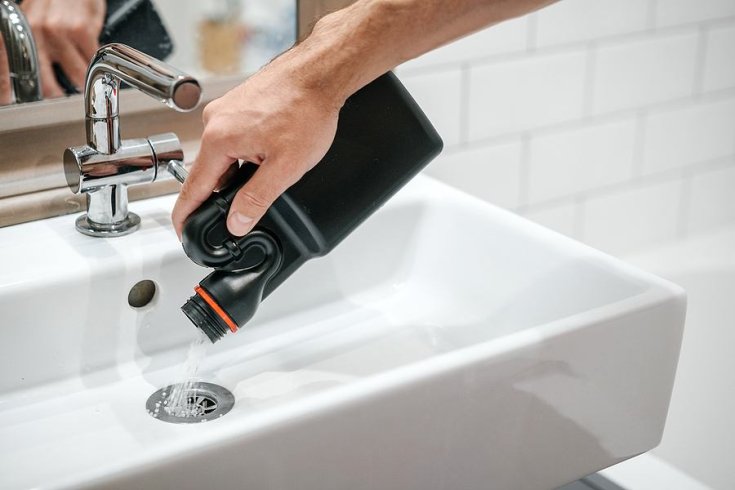
If you’re used to a city sewer system, you may not think twice about what you flush or pour down the sink. With a septic system, you have to be much more careful. Items like wipes (even “flushable” ones), grease, chemicals, and certain cleaning products can disrupt the system or cause clogs. Being mindful of what enters your system is a key part of proper septic service and long-term care.
The drain field is a vital part of your septic system, responsible for filtering wastewater back into the soil. Many homeowners don’t realize how easily it can be damaged. Parking vehicles, building structures, or even planting trees with invasive roots near the drain field can cause serious problems. Keeping this area clear and protected is crucial for maintaining system efficiency.
Replacing or repairing a septic system can cost thousands of dollars. That’s why preventative care is so important. Routine septic tank pumping, regular inspections, and proper usage habits can help you avoid major expenses. Investing in ongoing septic maintenance is far more affordable than dealing with a full system replacement.
Septic systems are subject to local health and environmental regulations. Before purchasing a home, it’s important to ensure the system meets current codes. If you plan to expand the home or increase occupancy, you may also need permits or system upgrades. Working with a trusted septic company like Charlotte Septic Pros can help you stay compliant and avoid legal complications.
Owning a home with a septic system isn’t difficult—but it does require awareness and responsibility. Understanding how your system works, committing to regular septic cleaning, and scheduling professional septic service will keep everything running smoothly. With the right knowledge and support from experts like Charlotte Septic Pros, you can enjoy your home with ease.
21
Why Harsh Chemicals Can Destroy Your Septic Tank Your septic system is one of the most important parts of your…
Read more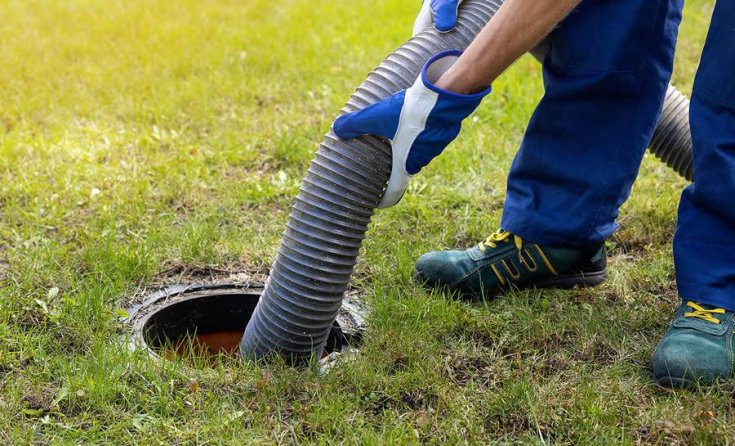
14
Why Homeowners Trust Professional Septic Services A healthy septic system is one of the most important parts of any home,…
Read more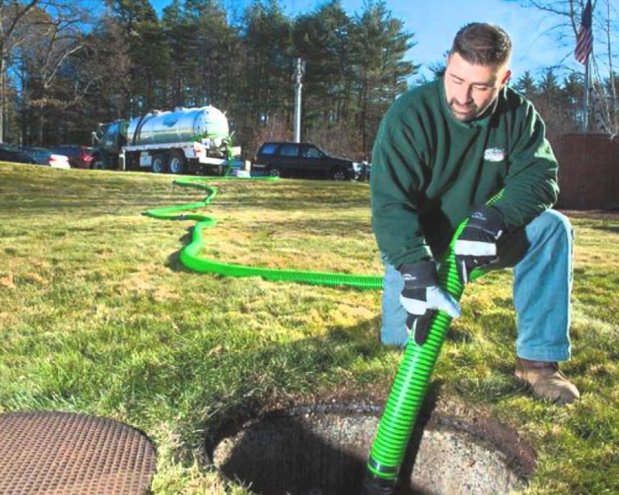
06
Behind the Scenes: What a Septic Company Does on a Job Site Most homeowners know they need septic help when…
Read more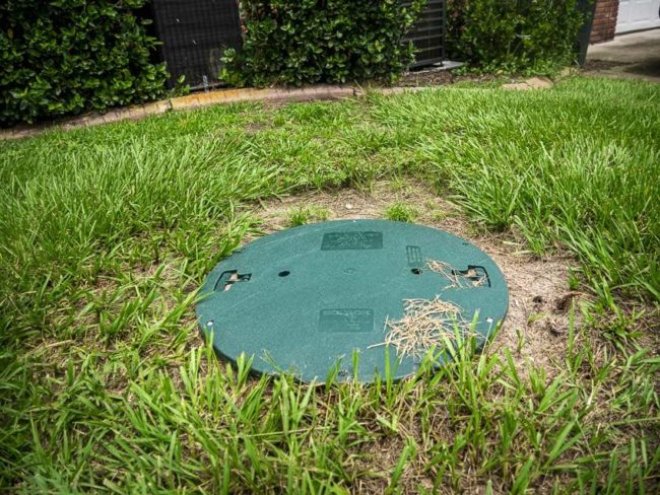
29
Quick Septic Tank Tips You Can Do in 5 Minutes Keeping your septic system in good condition doesn’t always require…
Read more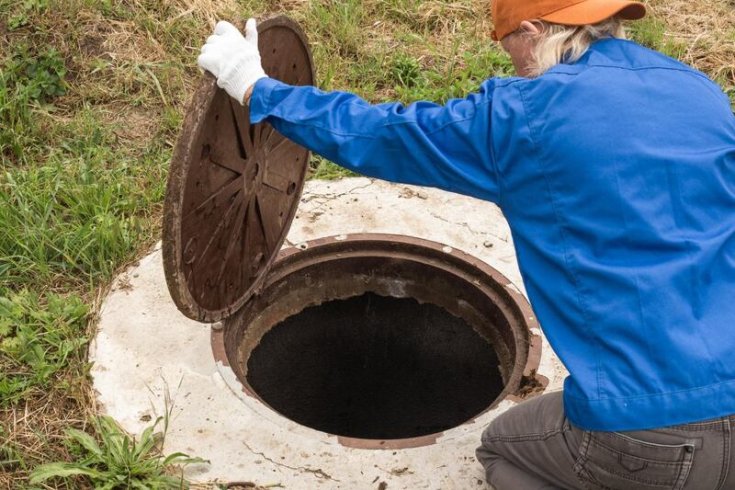
22
Can Heavy Rain Affect Your Septic System? Here’s the Truth When heavy rain hits your area, most homeowners think about…
Read more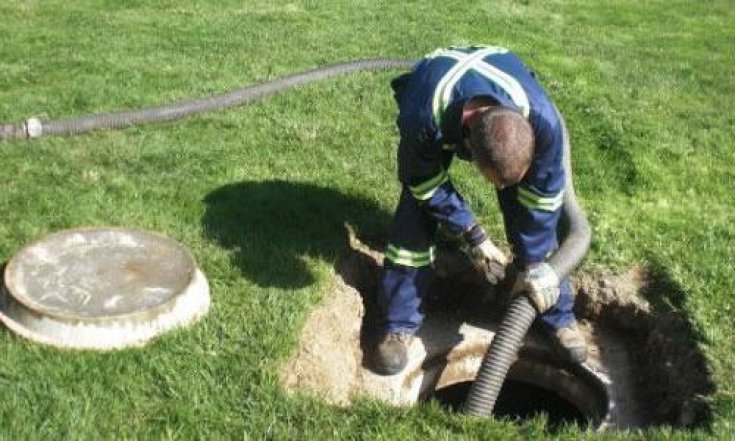
20
How to Extend the Life of Your Septic System Without Stress A well-maintained septic system is one of the most…
Read more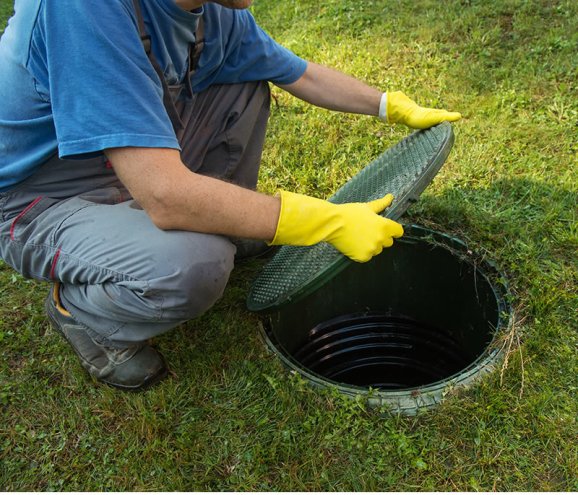
12
What I Wish I Knew Before Buying a Home with a Septic System Buying a home is an exciting milestone,…
Read more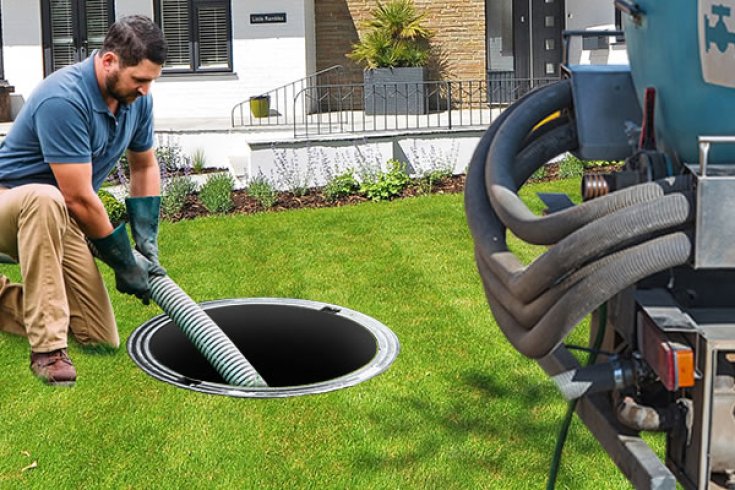
05
Emergency Septic Pumping: When You Should Call a Professional Septic systems are designed to handle household waste efficiently, but when…
Read more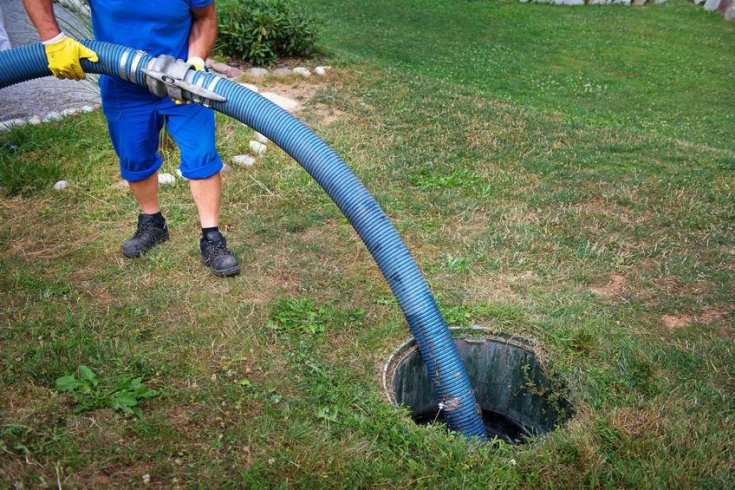
27
Why Is There Standing Water Near My Septic Tank? If you’ve noticed standing water near your septic tank, it’s a…
Read more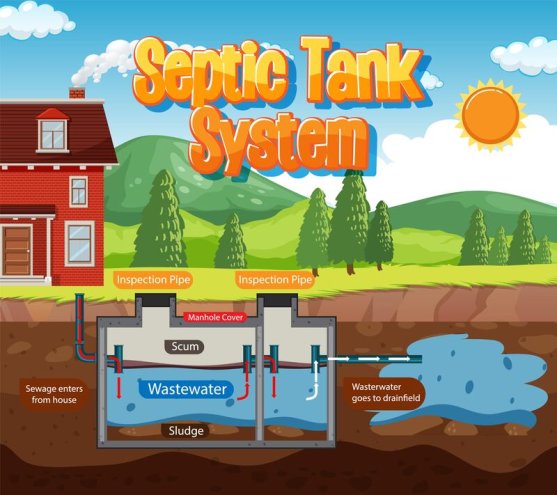
19
From Flush to Breakdown: The Journey Inside a Septic Tank When you flush your toilet or send water down your…
Read more