
Call Today to Get
$50 OFF Septic Repair
Call Today to Get
$50 OFF Septic Repair
19
When you flush your toilet or send water down your drains, it may seem like waste simply disappears. However, for homes that rely on a septic system, that waste begins a fascinating and essential journey. Understanding how this process works can help homeowners appreciate the importance of proper septic tank pumping, septic cleaning, and ongoing septic maintenance. At Charlotte Septic Pros, we believe that knowing what happens inside your system is the first step to keeping it running efficiently.
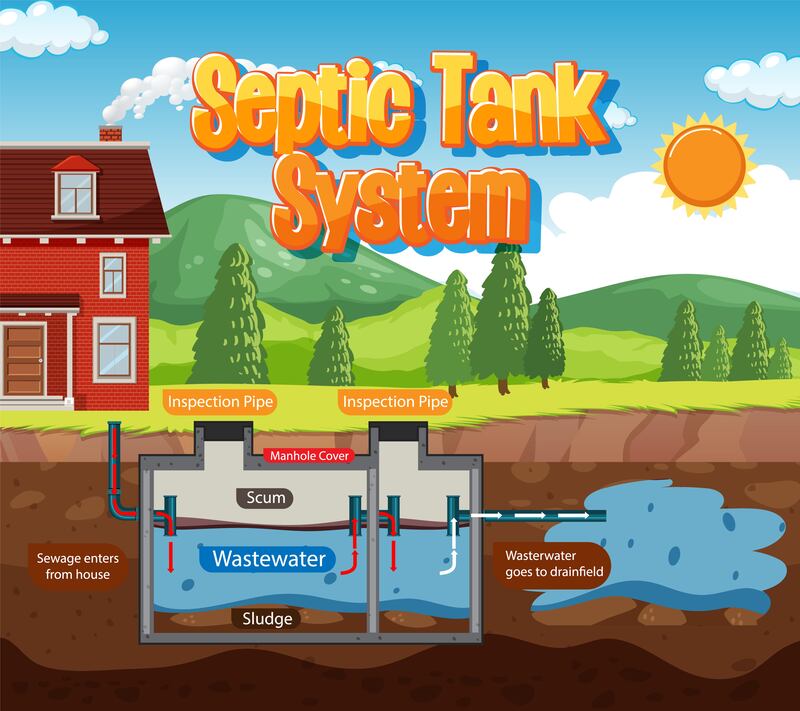
Every time you flush, wastewater travels through your plumbing and into the septic tank—a large, underground container designed to hold and treat waste. This tank is typically made of concrete, fiberglass, or plastic and is divided into different layers.
Once inside, the waste begins to separate naturally. Heavier solids sink to the bottom, forming a layer called sludge. Oils, grease, and lighter materials float to the top, creating a scum layer. Between these two layers is a clearer liquid known as effluent. This separation process is crucial because it prepares the wastewater for the next stage of treatment.
Inside the tank, bacteria play a major role. These naturally occurring microorganisms begin breaking down organic matter in the sludge. This process reduces the volume of solid waste and helps prevent the system from filling up too quickly.
However, this breakdown is not perfect. Over time, sludge and scum accumulate, which is why routine septic cleaning and septic tank pumping in Matthews, SC are essential. Without proper septic maintenance, these layers can build up and cause system failure.
Charlotte Septic Pros recommends scheduling septic service regularly to ensure that your tank continues to function as intended.
As new wastewater enters the tank, the partially treated effluent in the middle layer flows out into the drain field (also called a leach field). This is a network of perforated pipes buried in soil.
Here, the soil acts as a natural filter. Harmful bacteria, viruses, and nutrients are removed as the water slowly percolates through the ground. By the time it reaches the groundwater, it is significantly cleaner and safer.
A properly functioning drain field depends on a well-maintained septic tank. If solids escape into the drain field due to poor septic maintenance, they can clog the system and lead to costly repairs.
Many homeowners don’t think about their septic system until something goes wrong. Slow drains, unpleasant odors, or soggy areas in the yard are often signs of a neglected system.
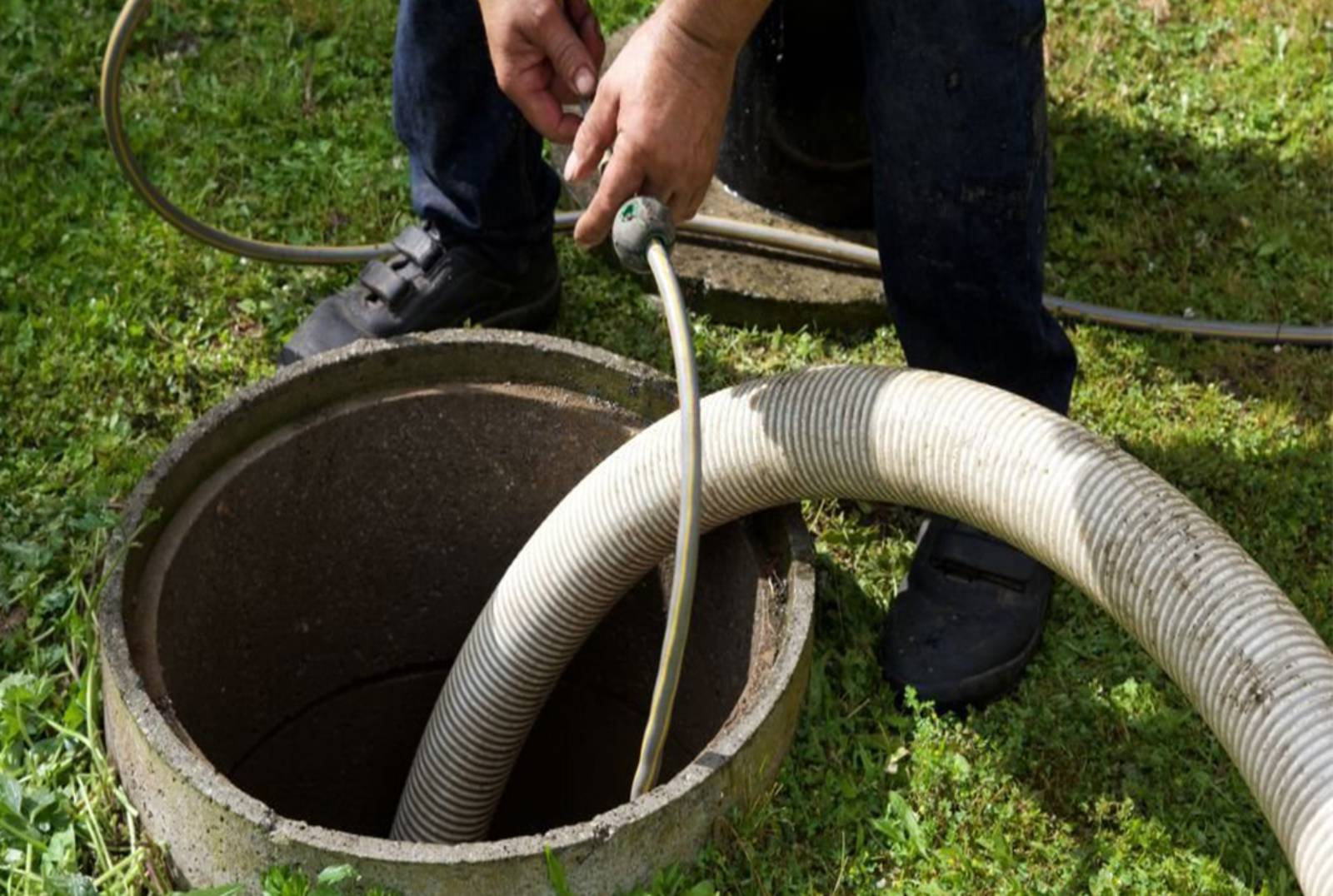
Regular septic tank pumping removes excess sludge and scum, preventing backups and extending the life of your system. Professional septic cleaning ensures that all components are working efficiently, while routine septic service inspections can catch small issues before they become major problems.
Choosing a reliable septic company like Charlotte Septic Pros means you’ll have experts who understand the full lifecycle of your system and can provide tailored maintenance solutions.
Simple habits can go a long way in preserving your septic system. Avoid flushing non-biodegradable items, limit grease disposal, and be mindful of water usage. These steps, combined with consistent septic maintenance, help keep your system operating smoothly.
Your septic tank is more than just a hidden container, it’s a carefully balanced ecosystem that relies on proper care. From the moment you flush to the final breakdown of waste, every stage plays a critical role.
By partnering with Charlotte Septic Pros for dependable septic service, homeowners can ensure their systems remain efficient, safe, and long-lasting. Schedule with us today if you’re having problems with your septic tank or would like more information on septic services!
12
Why Experience Matters in Septic System Maintenance A septic system plays a major role in keeping a property safe, clean,…
Read more
04
Residential vs Commercial Septic Services: What’s the Difference? Septic systems may all serve the same basic purpose—collecting, treating, and dispersing…
Read more
29
How to Protect Your Septic System During Busy Household Seasons Busy household seasons can put extra pressure on your septic…
Read more
21
Why Harsh Chemicals Can Destroy Your Septic Tank Your septic system is one of the most important parts of your…
Read more
14
Why Homeowners Trust Professional Septic Services A healthy septic system is one of the most important parts of any home,…
Read more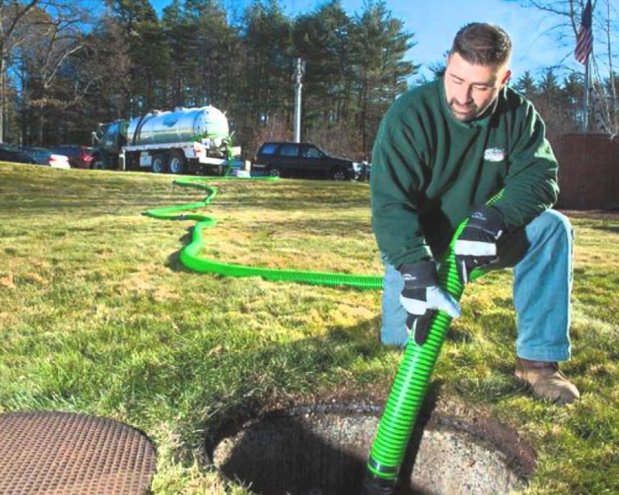
06
Behind the Scenes: What a Septic Company Does on a Job Site Most homeowners know they need septic help when…
Read more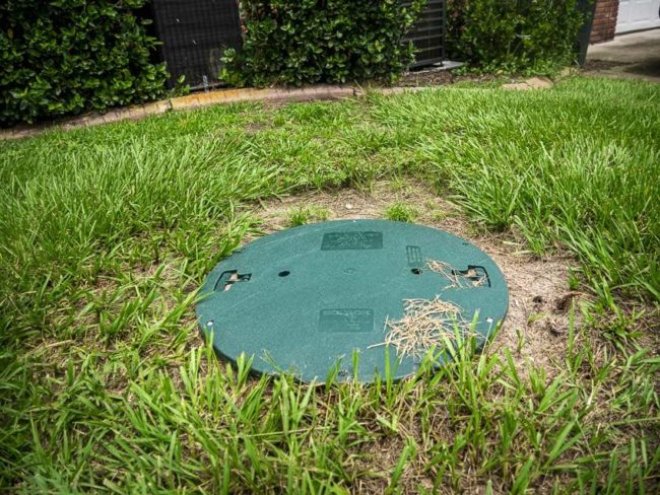
29
Quick Septic Tank Tips You Can Do in 5 Minutes Keeping your septic system in good condition doesn’t always require…
Read more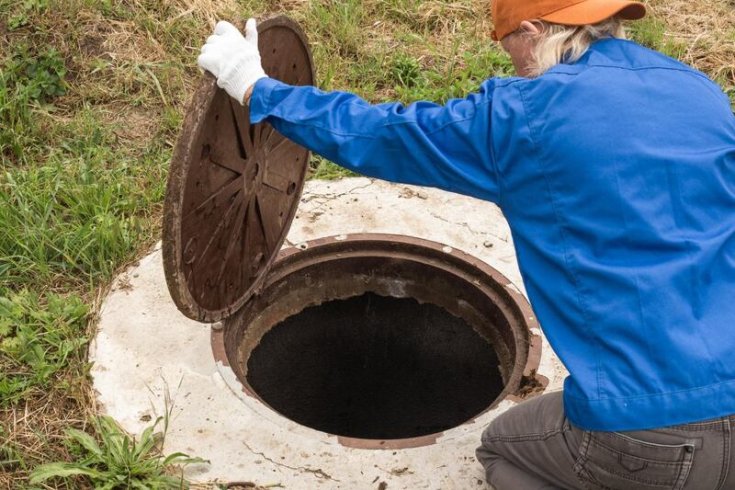
22
Can Heavy Rain Affect Your Septic System? Here’s the Truth When heavy rain hits your area, most homeowners think about…
Read more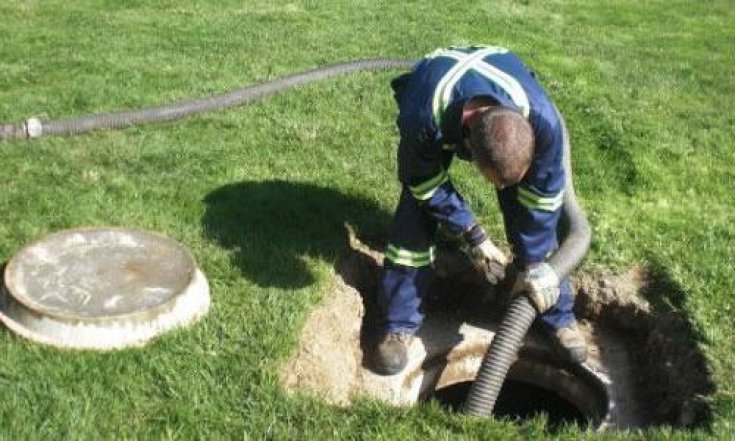
20
How to Extend the Life of Your Septic System Without Stress A well-maintained septic system is one of the most…
Read more
12
What I Wish I Knew Before Buying a Home with a Septic System Buying a home is an exciting milestone,…
Read more