
Call Today to Get
$50 OFF Septic Repair
Call Today to Get
$50 OFF Septic Repair
08
When it comes to managing wastewater in your home, there are two primary systems: city sewer systems and septic systems. Both are designed to safely remove and treat wastewater from sinks, toilets, showers, and appliances, but they work in very different ways. Understanding the difference can help homeowners make better decisions about maintenance and long-term care. If you rely on a septic system, working with a trusted septic company like Charlotte Septic Pros and scheduling regular septic tank pumping and septic cleaning is essential to keeping your system running smoothly.
City sewer systems are operated and maintained by local municipalities. Homes connected to a city sewer system send all wastewater through underground pipes that connect to the municipal sewer network. This network transports wastewater to a central treatment facility where it is processed, filtered, and treated before being safely released back into the environment.
For homeowners, the biggest advantage of a city sewer system is convenience. Because the city manages the treatment process, homeowners typically don’t have to worry about maintaining the treatment equipment themselves. Instead, they pay a monthly sewer fee as part of their utility bill. This fee covers the cost of transporting and treating the wastewater.
However, city sewer systems can still experience problems. Issues such as clogged pipes, tree root intrusion, or heavy rain can sometimes lead to sewer backups. When this happens, professional plumbing services are usually required to repair the problem.
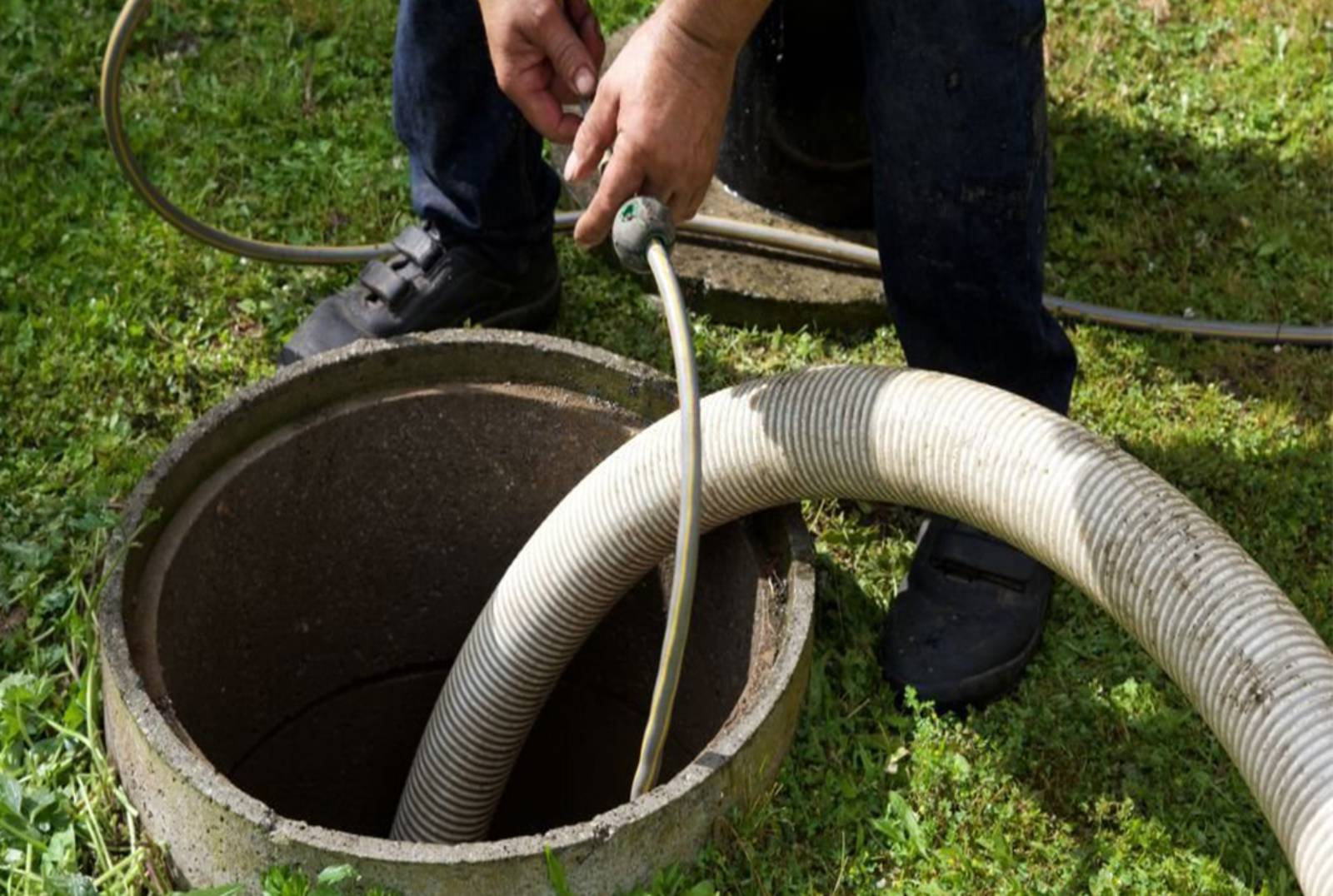
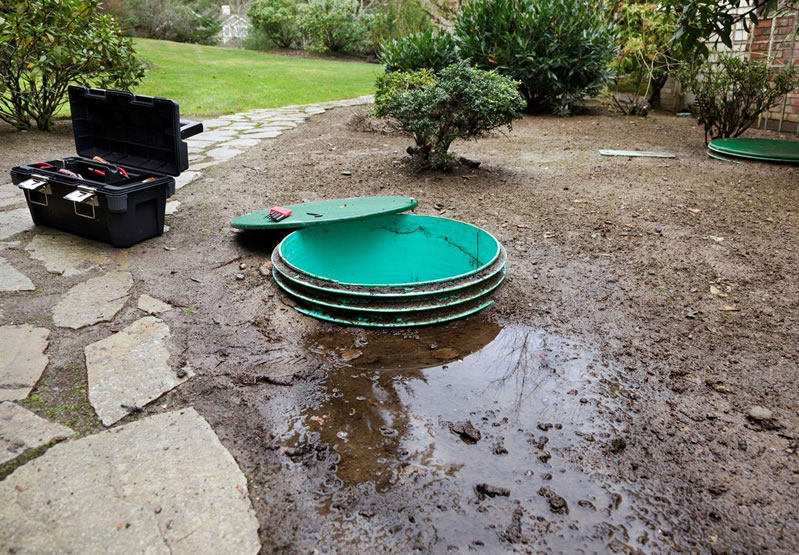
Unlike city sewer systems, septic systems are private wastewater treatment systems commonly used in rural or suburban areas where municipal sewer lines are not available. A septic system is installed on the property and typically consists of a septic tank and a drain field.
Wastewater from the home flows into the septic tank, where solids settle to the bottom and form sludge while oils and grease float to the top. The partially treated water in the middle layer flows out of the tank and into the drain field. In the drain field, the soil naturally filters and treats the wastewater before it returns to the groundwater.
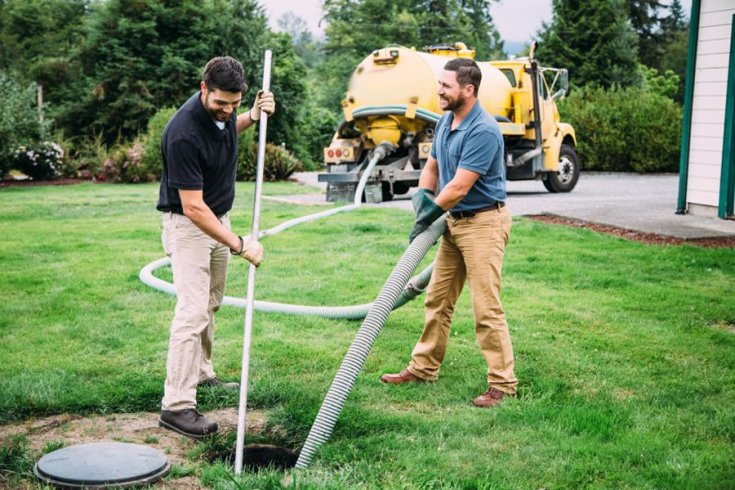
Because the system is located on your property, the homeowner is responsible for all maintenance. Regular septic tank pumping in Huntersville is necessary to remove accumulated sludge and prevent the system from becoming overloaded. Professional septic cleaning and routine septic maintenance help ensure that the tank and drain field continue functioning properly.
One of the biggest differences between city sewer and septic systems is maintenance responsibility. With city sewer systems, the municipality handles the wastewater treatment, and homeowners mainly pay service fees.
With septic systems, the homeowner must schedule septic service regularly. Most systems require septic tank pumping every three to five years, depending on the size of the tank and the number of people in the household. Neglecting maintenance can lead to clogged pipes, unpleasant odors, slow drains, or even system failure.
Working with an experienced septic company ensures that inspections, pumping, and septic cleaning are performed properly and on schedule.
City sewer systems typically involve monthly utility fees, which can increase over time. Septic systems, on the other hand, do not require monthly payments, but they do require periodic maintenance and occasional repairs.
While installing a septic system can be a significant upfront investment, ongoing septic maintenance and septic tank pumping are usually manageable when done regularly. Proper care can allow a septic system to last for decades.
Neither system is universally better—it largely depends on location and personal preference. City sewer systems offer convenience and minimal homeowner involvement. Septic systems provide independence and can be very reliable when properly maintained.
If your home uses a septic system, partnering with a professional septic company like Charlotte Septic Pros for routine septic service, septic cleaning, and septic tank pumping is the best way to keep your wastewater system functioning efficiently and avoid costly problems in the future.
04
Residential vs Commercial Septic Services: What’s the Difference? Septic systems may all serve the same basic purpose—collecting, treating, and dispersing…
Read more
29
How to Protect Your Septic System During Busy Household Seasons Busy household seasons can put extra pressure on your septic…
Read more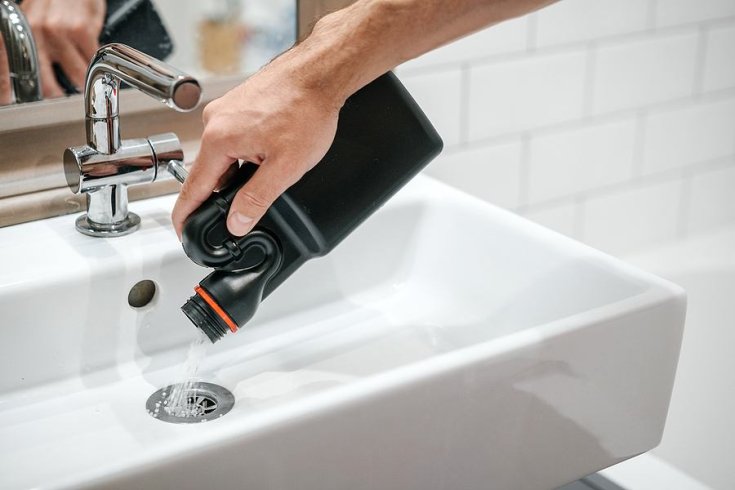
21
Why Harsh Chemicals Can Destroy Your Septic Tank Your septic system is one of the most important parts of your…
Read more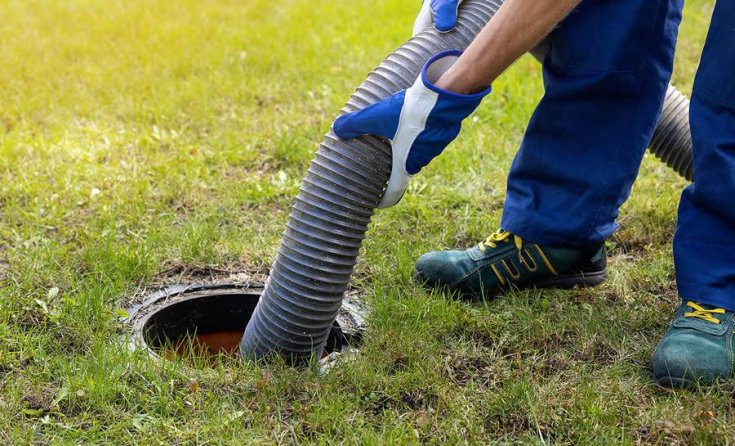
14
Why Homeowners Trust Professional Septic Services A healthy septic system is one of the most important parts of any home,…
Read more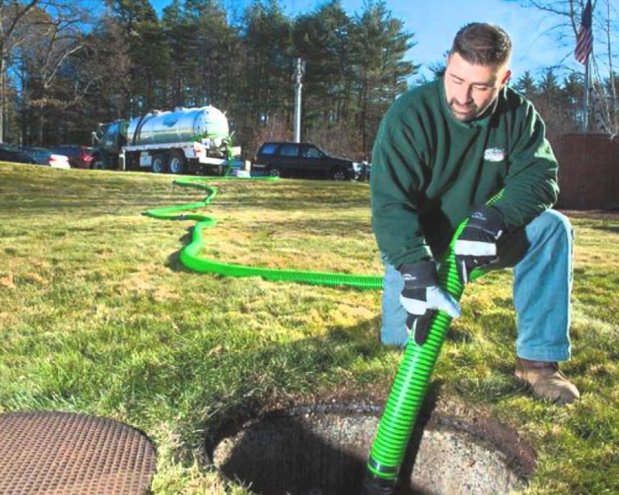
06
Behind the Scenes: What a Septic Company Does on a Job Site Most homeowners know they need septic help when…
Read more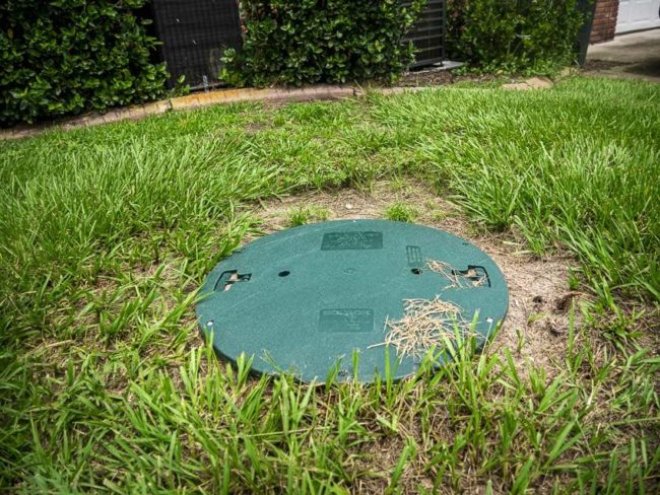
29
Quick Septic Tank Tips You Can Do in 5 Minutes Keeping your septic system in good condition doesn’t always require…
Read more
22
Can Heavy Rain Affect Your Septic System? Here’s the Truth When heavy rain hits your area, most homeowners think about…
Read more
20
How to Extend the Life of Your Septic System Without Stress A well-maintained septic system is one of the most…
Read more
12
What I Wish I Knew Before Buying a Home with a Septic System Buying a home is an exciting milestone,…
Read more
05
Emergency Septic Pumping: When You Should Call a Professional Septic systems are designed to handle household waste efficiently, but when…
Read more