
Call Today to Get
$50 OFF Septic Repair
Call Today to Get
$50 OFF Septic Repair
22
If you own a home with a septic system, you’ve probably seen products on store shelves claiming to reduce waste, boost bacteria, and eliminate the need for pumping. It sounds appealing—just pour in an additive and forget about routine maintenance. But can bacteria additives really replace regular septic tank pumping?
At Charlotte Septic Pros, this is one of the most common questions we hear from homeowners. Let’s break down how septic systems work and whether additives can truly take the place of professional septic maintenance.
A septic tank is designed to naturally separate waste into three layers:
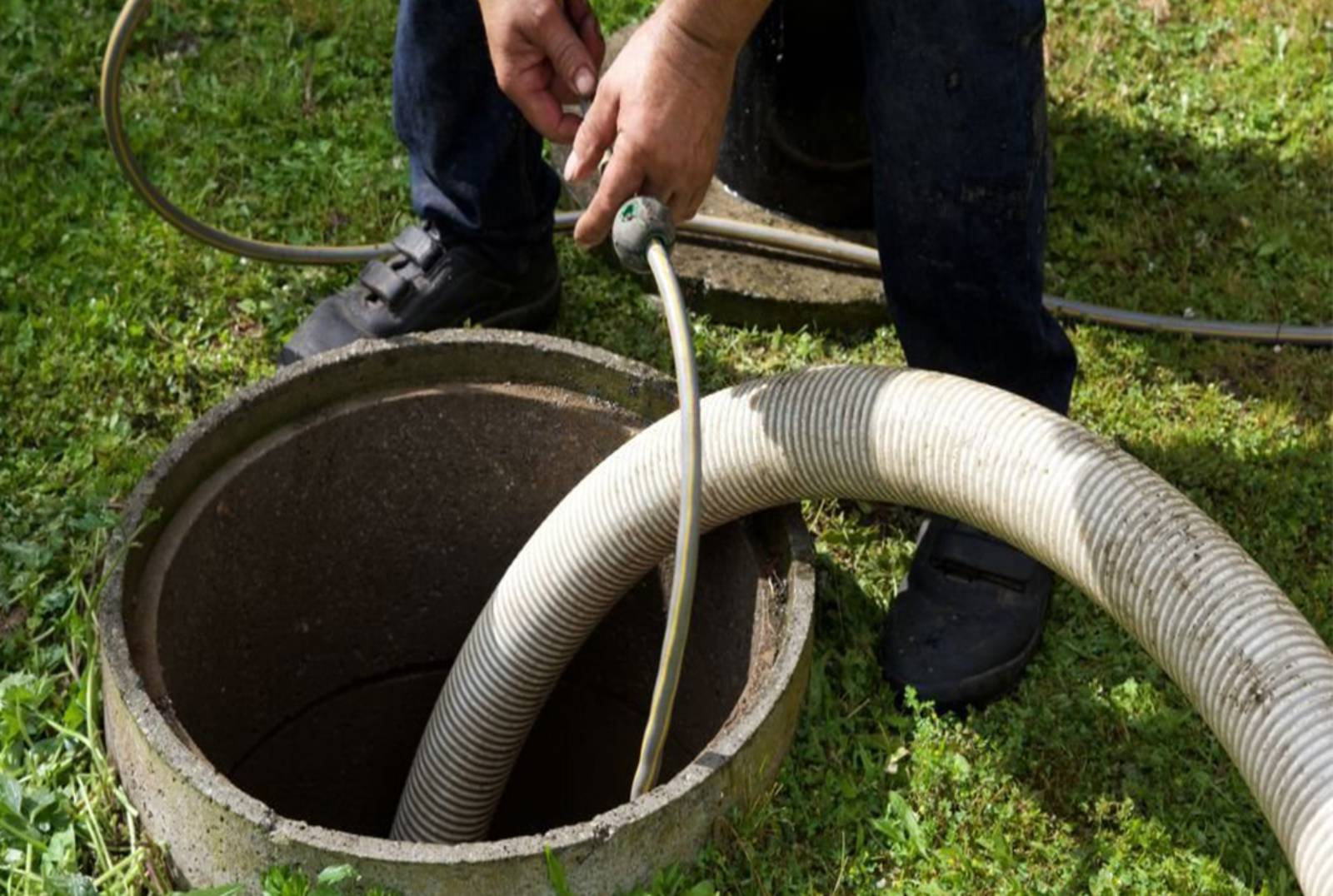
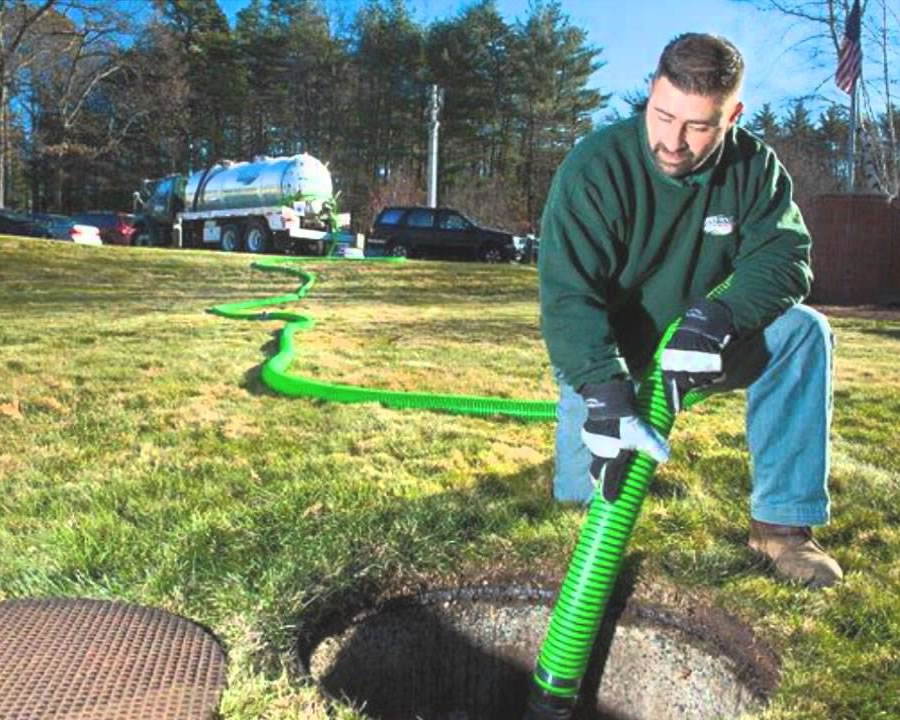
Naturally occurring bacteria inside the tank help break down some of the solid waste. However, not all solids can be fully digested. Over time, sludge builds up at the bottom of the tank. That buildup is exactly why routine septic tank pumping is necessary.
Even in a perfectly functioning system, solids accumulate. If they are not removed through septic cleaning, they can overflow into the drain field, leading to costly damage.
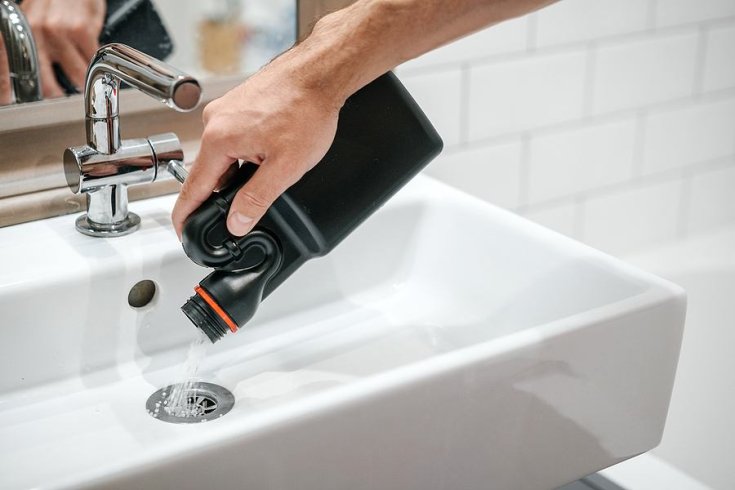
Bacteria additives are products marketed to “boost” the natural bacterial activity in your tank. They typically contain enzymes, bacteria cultures, or both. Manufacturers claim these additives:
While it’s true that bacteria play a crucial role in breaking down waste, the key point is that a healthy septic system already contains the bacteria it needs.
Research and field experience from professional septic companies consistently show that additives do not eliminate the need for regular septic tank pumping.
Even with enhanced bacterial activity, inorganic materials and non-biodegradable waste will not break down. Items like wipes (even “flushable” ones), hygiene products, and household debris settle in the tank and must be physically removed.
Bacteria can reduce some organic matter, but they cannot eliminate all sludge. Over time, the remaining solids continue to accumulate.
Some additives may temporarily break solids into smaller particles. While that sounds helpful, those particles can flow into the drain field, potentially clogging it and causing system failure. Repairing or replacing a drain field is far more expensive than routine septic maintenance.
In most cases, additives are unnecessary for a properly maintained system. However, they may be helpful in limited situations, such as:
Even then, additives should be viewed as a supplement—not a replacement—for professional septic service.
The most reliable way to protect your septic system is through regular inspections and pumping. Most households need septic tank pumping every 3–5 years, depending on:
A trusted septic company like Charlotte Septic Pros can evaluate your system and recommend a maintenance schedule tailored to your home.
Routine septic cleaning helps:
Bacteria additives may support natural processes inside your septic tank, but they cannot eliminate sludge buildup or replace routine septic tank pumping. Skipping scheduled maintenance based on additive claims can lead to expensive damage and system failure.
If you want to keep your septic system running efficiently, the best investment is consistent septic maintenance from experienced professionals. At Charlotte Septic Pros, we provide reliable septic service designed to protect your home, your property, and your peace of mind.
Before relying on a bottle to solve your septic needs, consider the long-term health of your system. Regular pumping remains the most effective way to ensure your septic system functions properly.
21
Why Harsh Chemicals Can Destroy Your Septic Tank Your septic system is one of the most important parts of your…
Read more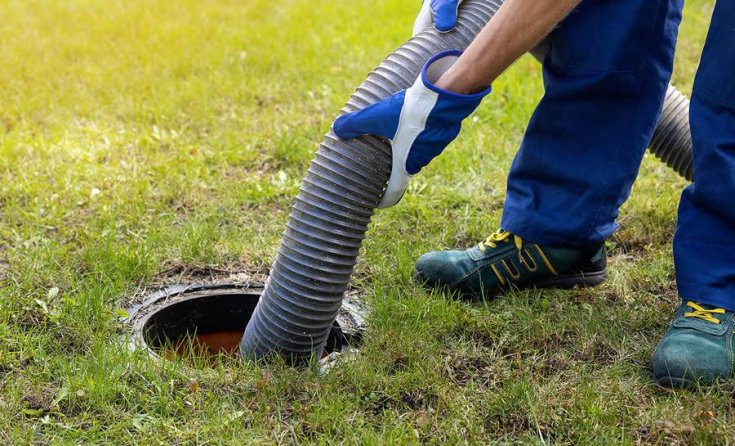
14
Why Homeowners Trust Professional Septic Services A healthy septic system is one of the most important parts of any home,…
Read more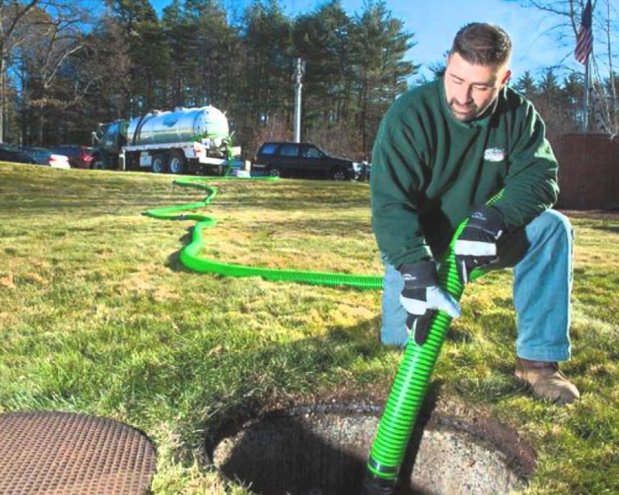
06
Behind the Scenes: What a Septic Company Does on a Job Site Most homeowners know they need septic help when…
Read more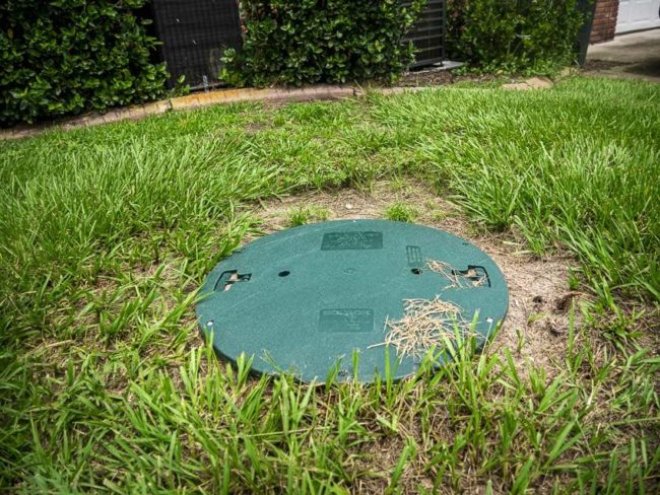
29
Quick Septic Tank Tips You Can Do in 5 Minutes Keeping your septic system in good condition doesn’t always require…
Read more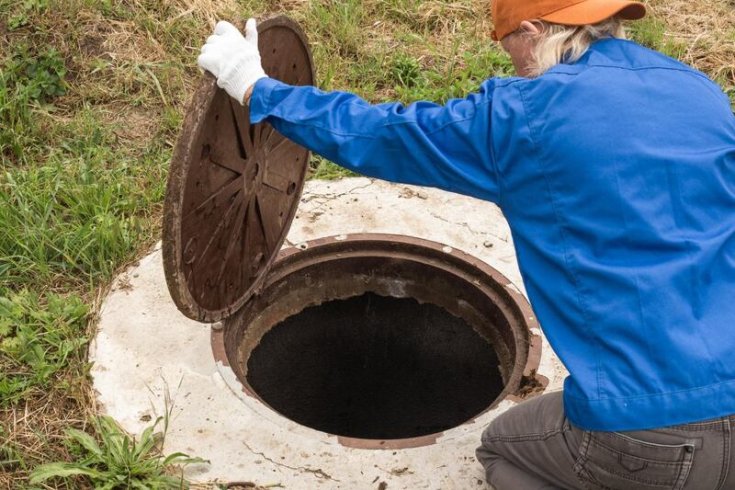
22
Can Heavy Rain Affect Your Septic System? Here’s the Truth When heavy rain hits your area, most homeowners think about…
Read more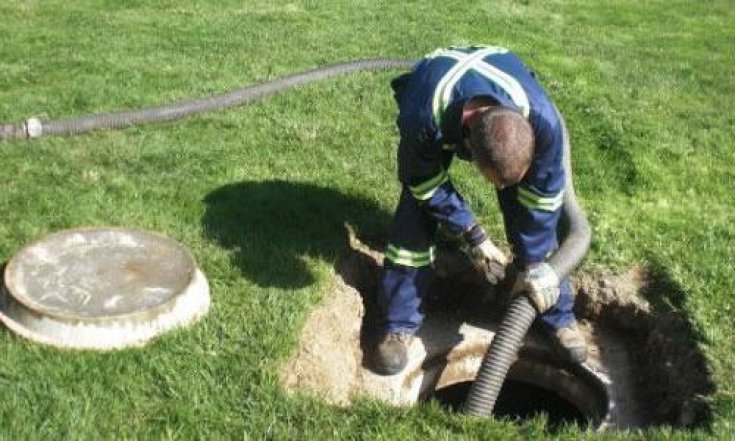
20
How to Extend the Life of Your Septic System Without Stress A well-maintained septic system is one of the most…
Read more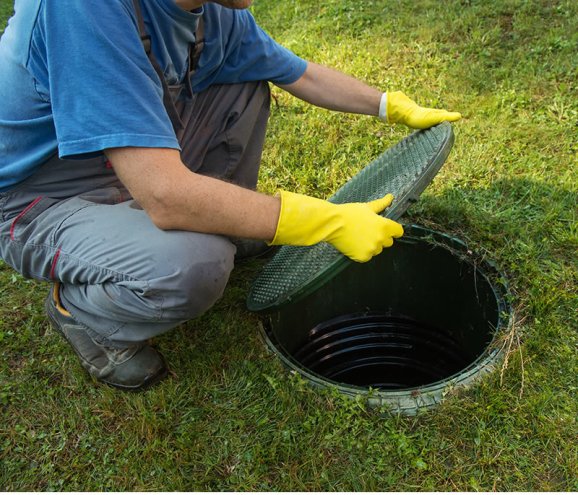
12
What I Wish I Knew Before Buying a Home with a Septic System Buying a home is an exciting milestone,…
Read more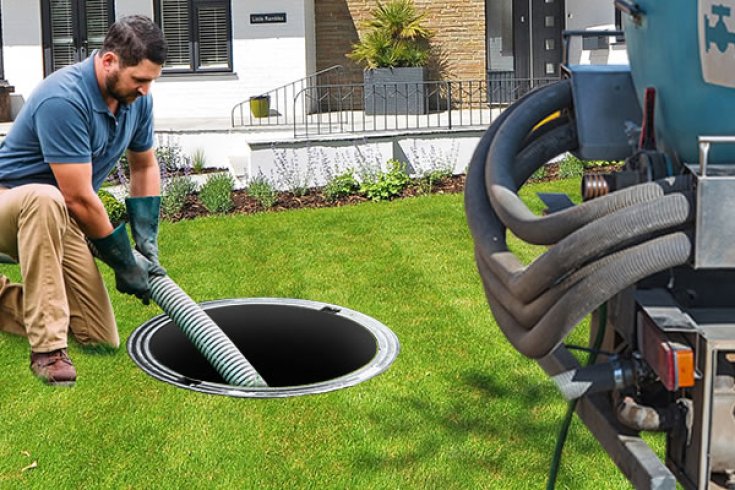
05
Emergency Septic Pumping: When You Should Call a Professional Septic systems are designed to handle household waste efficiently, but when…
Read more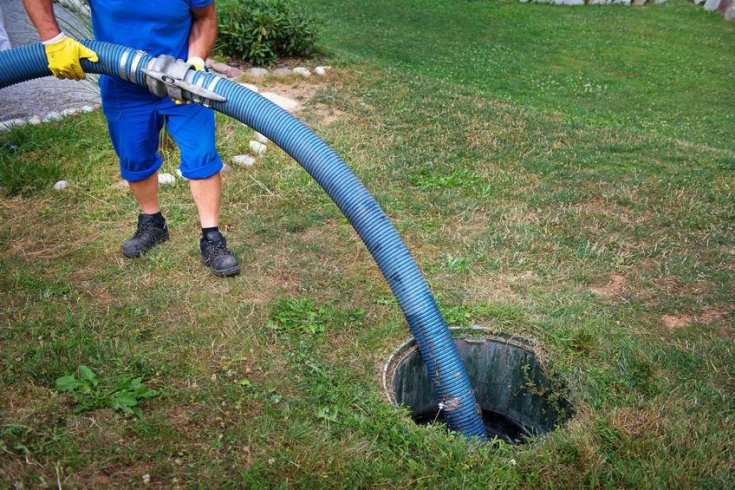
27
Why Is There Standing Water Near My Septic Tank? If you’ve noticed standing water near your septic tank, it’s a…
Read more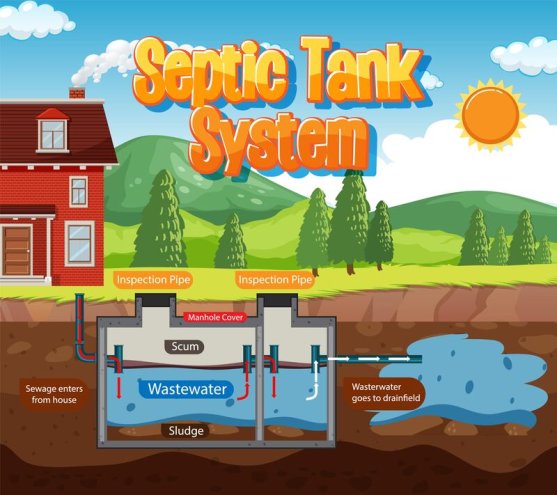
19
From Flush to Breakdown: The Journey Inside a Septic Tank When you flush your toilet or send water down your…
Read more