
Call Today to Get
$50 OFF Septic Repair
Call Today to Get
$50 OFF Septic Repair
05
Slow drains are one of those household problems that start small but quickly raise big questions. Is it just a simple clog you can clear with a plunger, or is your septic system trying to warn you about a deeper issue? For homeowners with septic systems, knowing the difference can save time, money, and a lot of stress. At Charlotte Septic Pros, we often help homeowners sort out whether slow drains point to routine plumbing trouble or the need for professional septic service.
In many cases, slow drains are caused by everyday clogs inside the plumbing. Hair, grease, soap residue, and food particles can gradually build up in sinks, showers, and tubs. When the problem is limited to one fixture, such as a single bathroom sink draining slowly, the issue is usually local.
A few signs that point to a simple clog include:
These situations typically don’t involve the septic system at all. While chemical drain cleaners may seem tempting, they can damage pipes and disrupt the natural bacteria in your septic tank. If clogs happen often, a professional plumber or septic company in Huntersville can clear the line safely without harming your system.
Slow drains become more concerning when multiple fixtures are affected at the same time. If sinks, toilets, and showers all drain slowly, especially on the lower level of the home, your septic system could be struggling.
Common septic-related warning signs include:
In these cases, the issue may be a full septic tank, a blockage in the main line, or a problem with the drain field. Septic tank pumping is often the first and most important step in diagnosing and fixing the problem.
Routine septic maintenance plays a huge role in preventing slow drains. Over time, solids accumulate in the septic tank. If the tank isn’t pumped regularly, those solids can move into the drain field, restricting wastewater flow and causing system-wide drainage issues.
Most homes need septic tank pumping every three to five years, though usage, household size, and tank capacity can shorten that timeline. Regular septic cleaning and inspections help ensure wastewater flows smoothly from your home to the tank and safely into the drain field.
Slow drains are easy to dismiss, especially when they don’t cause immediate backups. But ignoring them can allow minor issues to turn into major repairs. A neglected septic system can lead to drain field failure, sewage backups, and costly replacements that far exceed the price of routine septic service. Early intervention is key. When slow drains appear alongside odors, gurgling, or repeated clogs, it’s time to call a trusted septic company.
At Charlotte Septic Pros, we specialize in diagnosing slow drain issues at the source. Our team evaluates whether the problem lies in your plumbing, septic tank, or drain field. From septic tank pumping to complete septic service and long-term maintenance plans, we help protect your system and your home. When in doubt, professional septic maintenance is the safest way to keep your system running smoothly and avoid expensive surprises down the road.
06
Behind the Scenes: What a Septic Company Does on a Job Site Most homeowners know they need septic help when…
Read more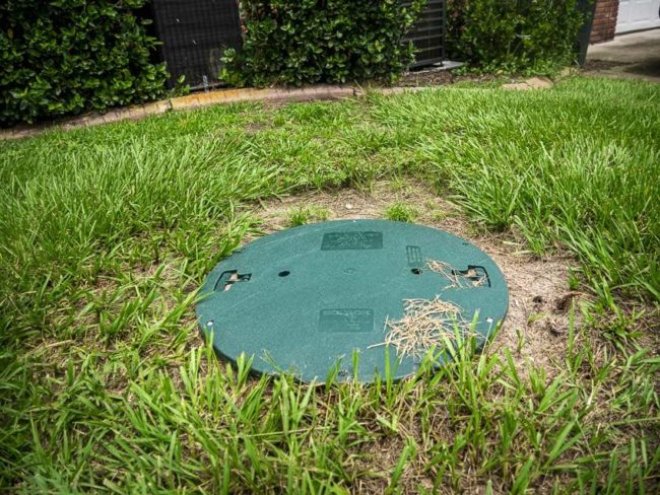
29
Quick Septic Tank Tips You Can Do in 5 Minutes Keeping your septic system in good condition doesn’t always require…
Read more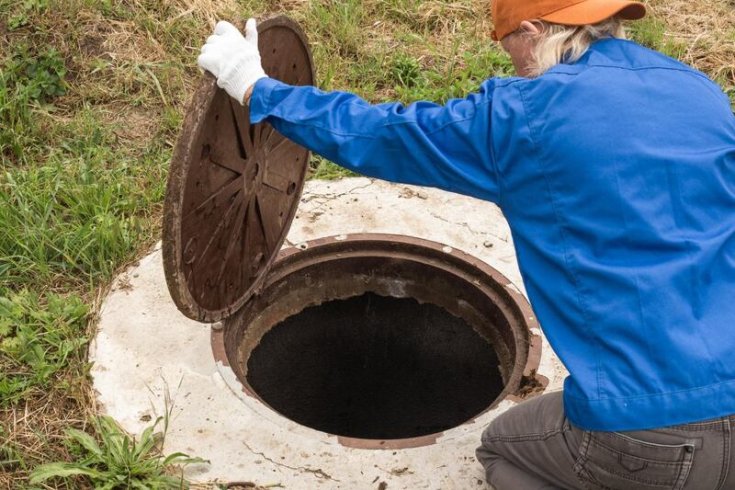
22
Can Heavy Rain Affect Your Septic System? Here’s the Truth When heavy rain hits your area, most homeowners think about…
Read more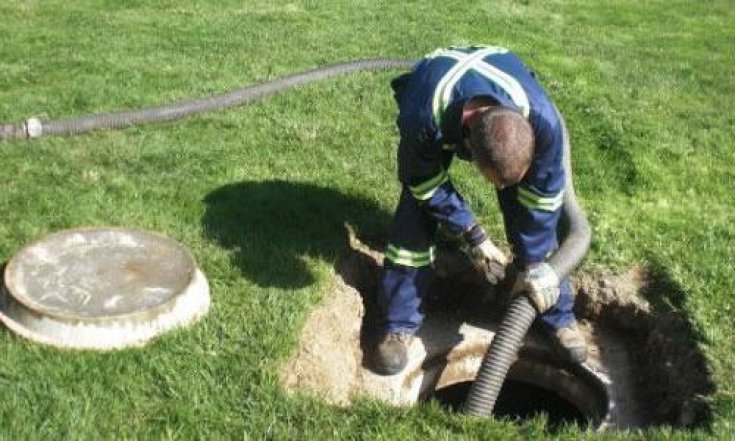
20
How to Extend the Life of Your Septic System Without Stress A well-maintained septic system is one of the most…
Read more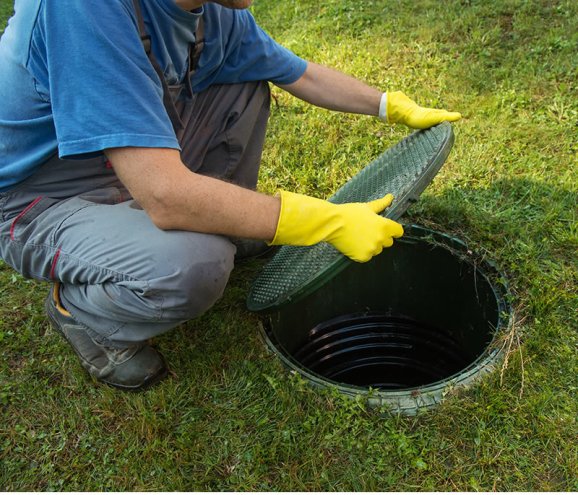
12
What I Wish I Knew Before Buying a Home with a Septic System Buying a home is an exciting milestone,…
Read more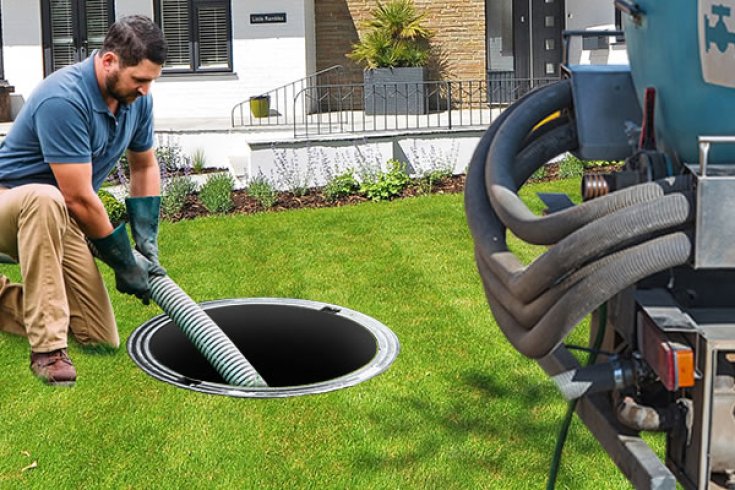
05
Emergency Septic Pumping: When You Should Call a Professional Septic systems are designed to handle household waste efficiently, but when…
Read more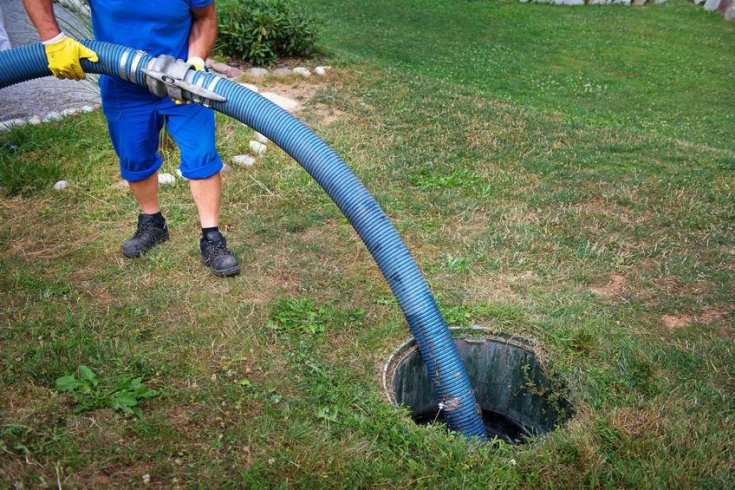
27
Why Is There Standing Water Near My Septic Tank? If you’ve noticed standing water near your septic tank, it’s a…
Read more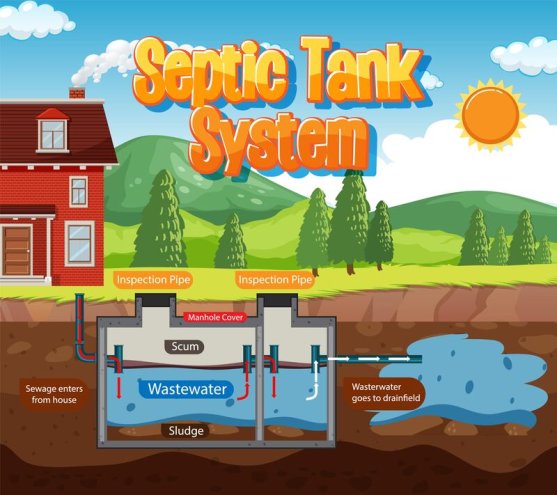
19
From Flush to Breakdown: The Journey Inside a Septic Tank When you flush your toilet or send water down your…
Read more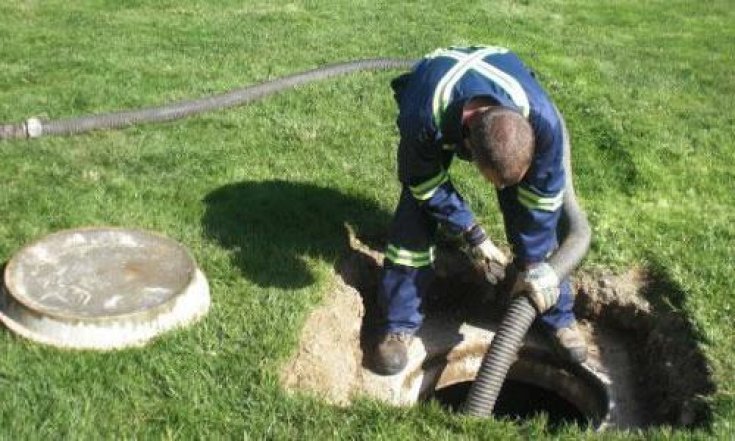
15
10 Questions You Should Ask Before Hiring a Septic Service Company Proper septic system care is essential for protecting your…
Read more
08
City Sewer vs. Septic — What’s the Difference? When it comes to managing wastewater in your home, there are two…
Read more