
Call Today to Get
$50 OFF Septic Repair
Call Today to Get
$50 OFF Septic Repair
21
A well-functioning septic system does its job quietly, but the moment something goes wrong, the disruption can be significant. For homeowners who rely on a private wastewater system, everyday habits—especially what gets flushed—play a critical role in system performance and longevity. At Charlotte Septic Pros, we regularly assist customers who are dealing with preventable issues simply because the wrong items made their way into the toilet. By making a few intentional choices, you can reduce the frequency of septic tank pumping, prolong the lifespan of your system, and avoid costly emergency septic service.
Unlike municipal sewer systems, your septic system treats and absorbs waste onsite. Everything that enters the system must break down naturally. Materials that do not decompose quickly will accumulate inside the tank, clog filters, or obstruct drain lines. This leads to backups, soggy drain fields, foul odors, and the need for urgent septic cleaning. Proper septic maintenance starts with understanding what belongs in your system—and what absolutely does not.
Below are the most common offenders found by our technicians during septic service visits.
Protecting your septic system is less about dramatic changes and more about consistent, daily habits. Charlotte Septic Pros recommends:
• Flush only wastewater and toilet paper.
This simple rule eliminates 90 percent of septic issues.
• Use septic-safe household products.
Choose cleaners with labels indicating they are compatible with septic systems.
• Never pour grease down the drain.
Allow it to solidify and dispose of it in the trash.
• Install drain screens.
They prevent hair, food scraps, and other solids from entering the system.
• Schedule routine septic maintenance.
Regular septic tank pumping every 3–5 years, depending on household size and usage, keeps your system operating efficiently.
• Respond early to warning signs.
Slow drains, gurgling toilets, foul smells, or patches of unusually green grass are indicators that you may need professional septic service.
Your septic system is a long-term investment, and proper care begins with informed decisions at home. When you need dependable septic maintenance, septic cleaning, or routine septic tank pumping, Charlotte Septic Pros is here to help. Our technicians provide honest assessments, preventive guidance, and efficient service to keep your system running smoothly. By avoiding harmful materials and adopting smart flushing habits, you can protect your septic system, prevent emergencies, and save on long-term repair costs.
04
Residential vs Commercial Septic Services: What’s the Difference? Septic systems may all serve the same basic purpose—collecting, treating, and dispersing…
Read more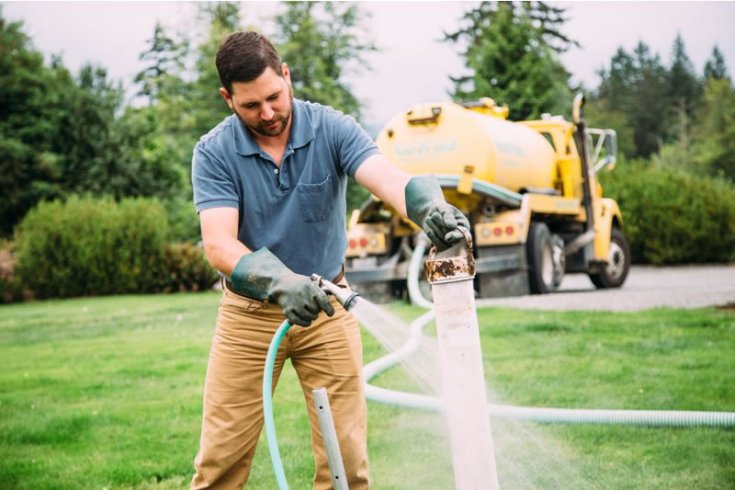
29
How to Protect Your Septic System During Busy Household Seasons Busy household seasons can put extra pressure on your septic…
Read more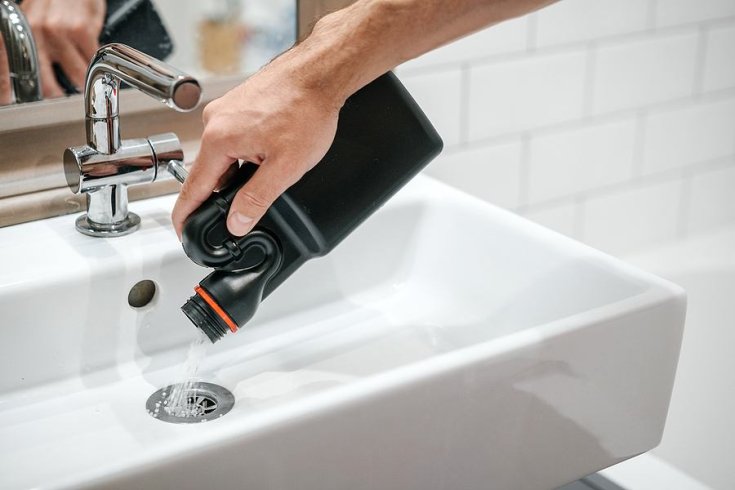
21
Why Harsh Chemicals Can Destroy Your Septic Tank Your septic system is one of the most important parts of your…
Read more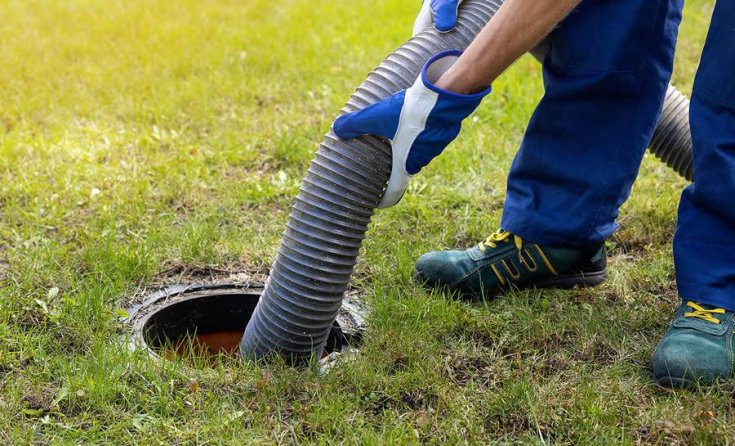
14
Why Homeowners Trust Professional Septic Services A healthy septic system is one of the most important parts of any home,…
Read more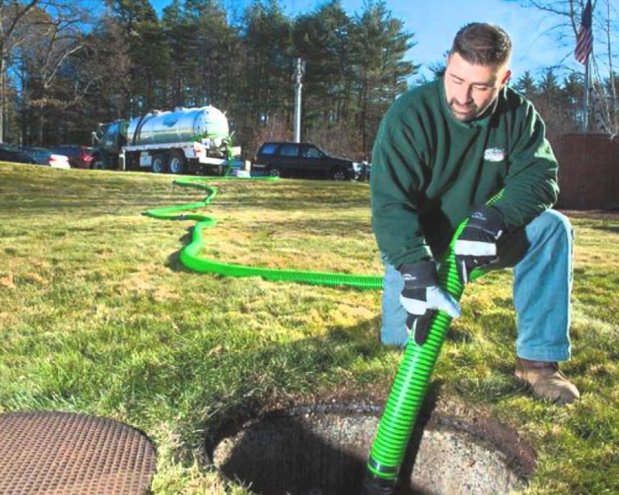
06
Behind the Scenes: What a Septic Company Does on a Job Site Most homeowners know they need septic help when…
Read more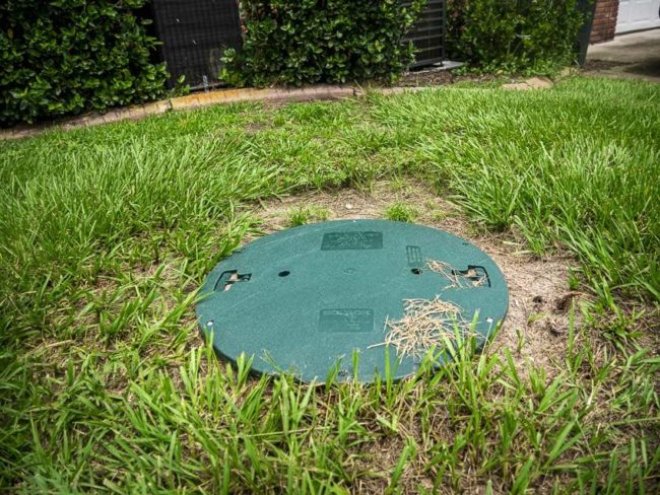
29
Quick Septic Tank Tips You Can Do in 5 Minutes Keeping your septic system in good condition doesn’t always require…
Read more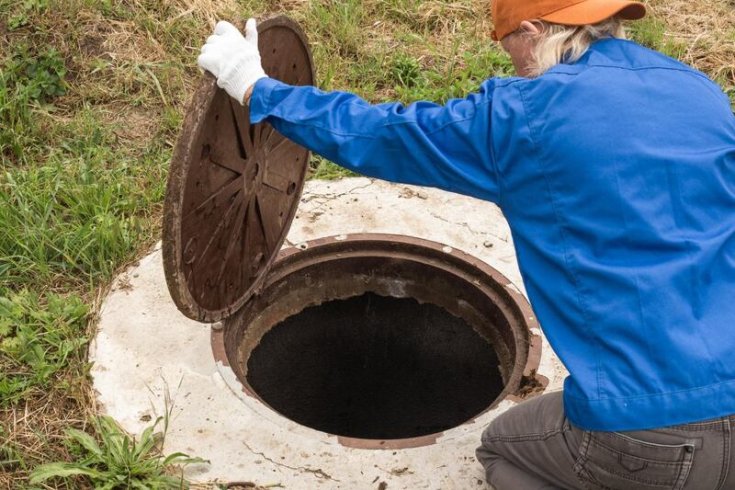
22
Can Heavy Rain Affect Your Septic System? Here’s the Truth When heavy rain hits your area, most homeowners think about…
Read more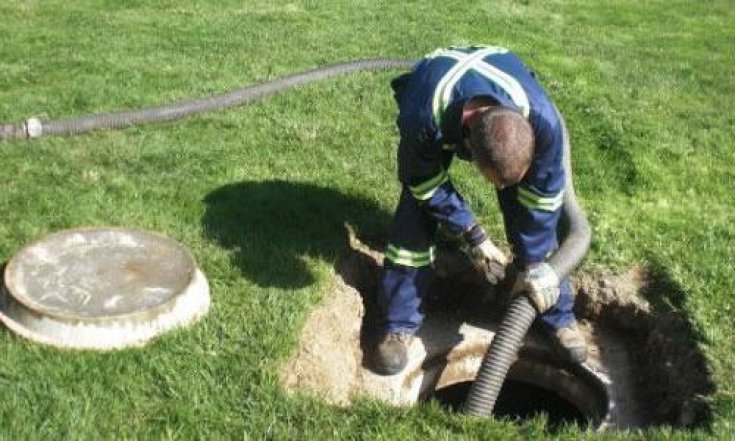
20
How to Extend the Life of Your Septic System Without Stress A well-maintained septic system is one of the most…
Read more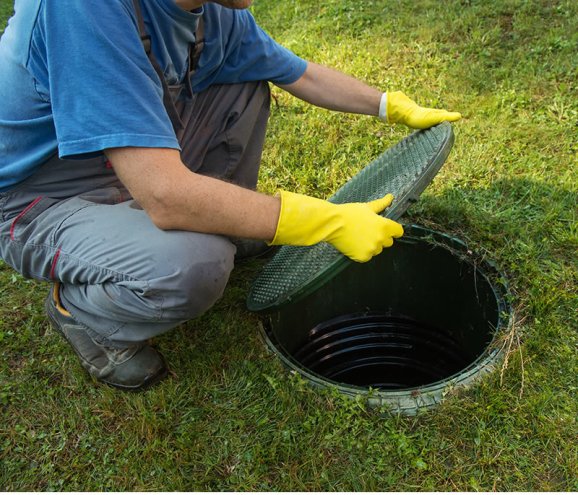
12
What I Wish I Knew Before Buying a Home with a Septic System Buying a home is an exciting milestone,…
Read more
05
Emergency Septic Pumping: When You Should Call a Professional Septic systems are designed to handle household waste efficiently, but when…
Read more