
Call Today to Get
$50 OFF Septic Repair
Call Today to Get
$50 OFF Septic Repair
29
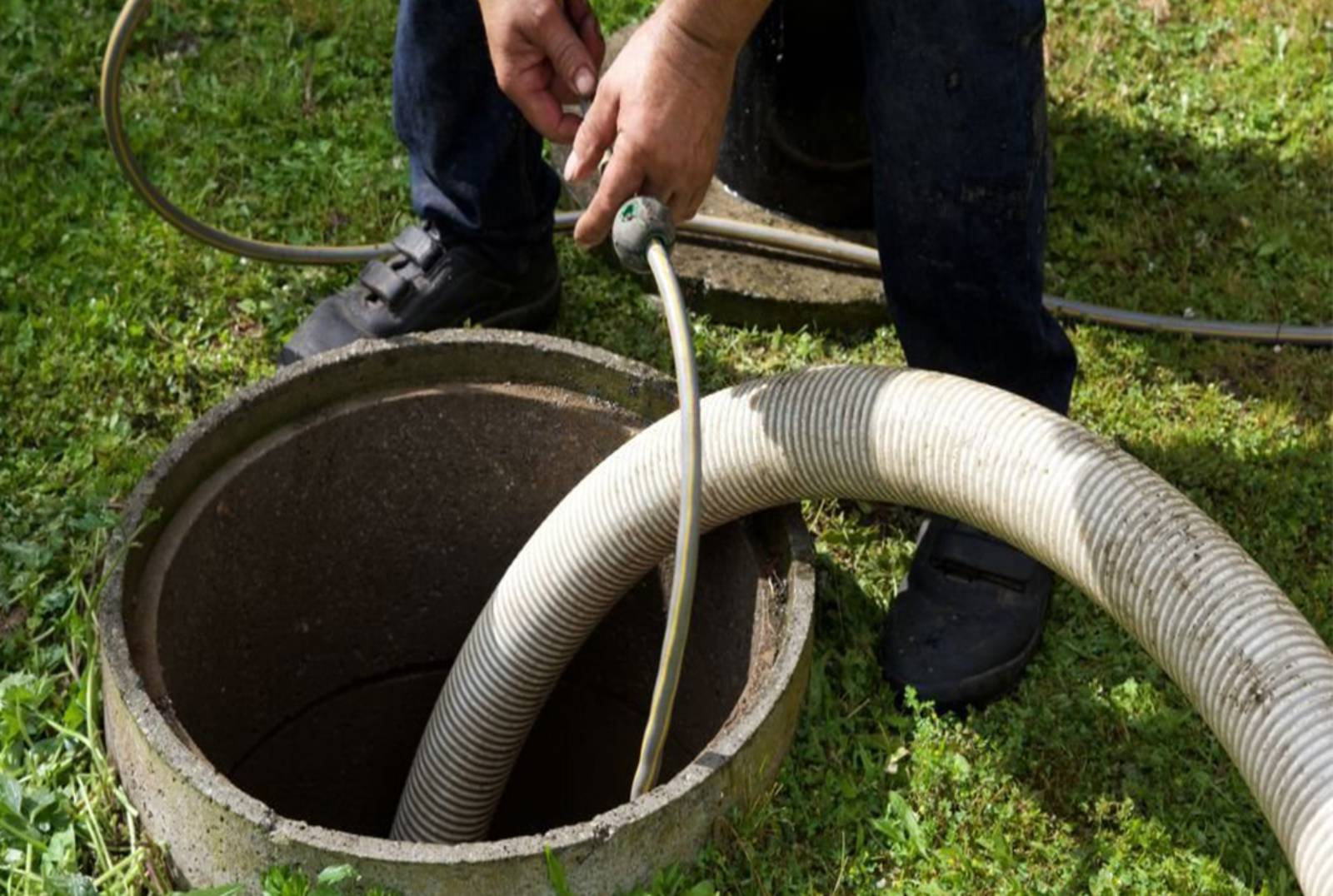
Your septic system works quietly in the background, handling everything your household sends down the drains. But even the best systems have limits, and everyday habits can unknowingly cause your septic tank to fill up faster than it should. When that happens, you face messy backups, foul odors, and expensive repairs — all problems that regular septic pumping, responsible water use, and smart habits can easily prevent. Here are five common daily behaviors that can overwhelm your septic tank and what you can do to protect your system.
Long showers, doing multiple loads of laundry back-to-back, and running the dishwasher simultaneously all push large amounts of wastewater into the septic tank at once. Septic systems need time to separate solids from liquids. When too much water enters too quickly, solids may not settle properly, allowing them to flow into the drain field and cause costly damage.
What to do instead:
Spread out water-heavy tasks. Shorten showers, wash full loads of laundry, and avoid running multiple appliances at once. Conserving water doesn’t just protect your septic system — it also saves you money.
Even if a product claims to be “flushable,” that doesn’t mean your septic system can handle it. Items like wipes, feminine hygiene products, paper towels, cotton swabs, and dental floss do not break down quickly. These materials accumulate in the tank, filling it faster and increasing the need for more frequent septic tank cleaning.
What to do instead:
Only flush human waste and septic-safe toilet paper. Everything else belongs in the trash.
Cooking grease may look harmless when warm, but once it cools, it solidifies and sticks to pipes. Inside the septic tank, grease forms a thick layer that slows down natural breakdown and reduces tank capacity. Over time, this buildup can clog the system and cause serious problems in both the tank and drain field.
What to do instead:
Pour grease into a container, let it solidify, and dispose of it in the garbage. Wipe greasy pans with a paper towel before washing.
Bleach, drain cleaners, antibacterial soaps, and strong household chemicals kill off the beneficial bacteria inside your septic tank. These bacteria are essential for breaking down solids. When they disappear, solids accumulate faster, meaning you’ll need septic pumping much more often.
What to do instead:
Use septic-safe cleaning products and avoid pouring chemicals down drains. Even small changes, like switching to natural cleaners, can help maintain healthy bacterial balance inside the tank.
Even with a garbage disposal, food scraps break down slowly inside the septic tank. Coffee grounds, rice, pasta, eggshells, and vegetable peels contribute to solid buildup, taking up valuable space. A disposal can also push more solids into the tank than your system was designed to handle.
What to do instead:
Scrape plates into the trash or compost bin before rinsing. If you use a garbage disposal, use it sparingly and schedule septic pumping in Weddington more frequently.
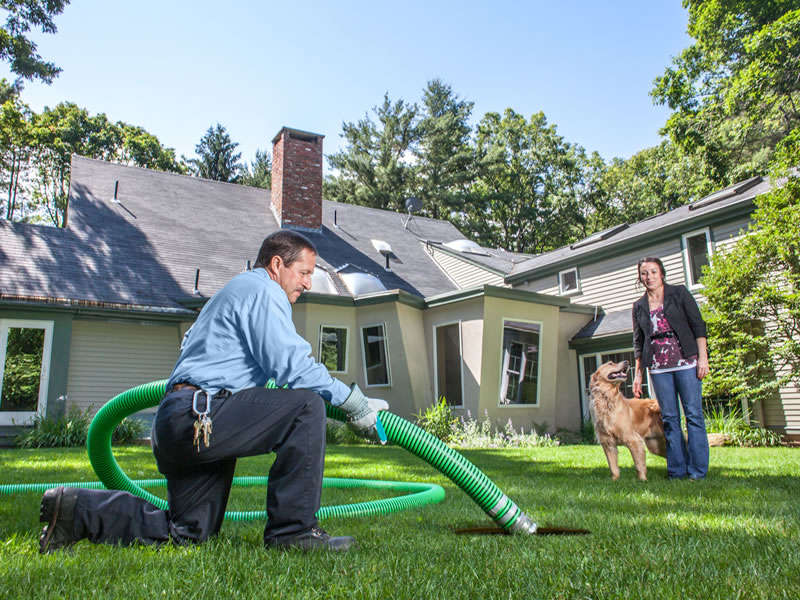
Small changes in your daily habits can dramatically extend the life of your septic system and reduce the need for emergency repairs. But even with perfect care, every septic tank needs routine maintenance. Regular septic tank pumping and septic tank cleaning ensure your system stays efficient, protects your drain field, and keeps your home safe from backups.
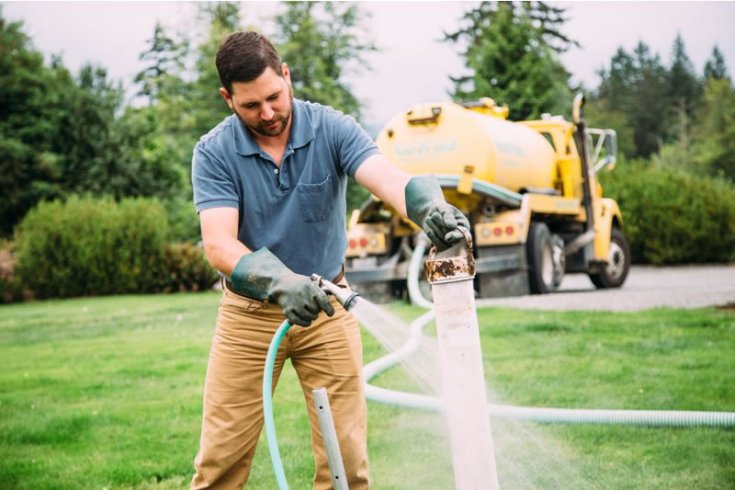
If you can’t remember the last time your septic tank was serviced, it’s probably overdue. Charlotte Septic Pros is here to help with fast, reliable, and affordable septic pumping and maintenance. Our specialists keep your system running smoothly so you can enjoy peace of mind year-round.
Call Charlotte Septic Pros today to schedule your septic pumping and protect your home from costly septic problems!
29
How to Protect Your Septic System During Busy Household Seasons Busy household seasons can put extra pressure on your septic…
Read more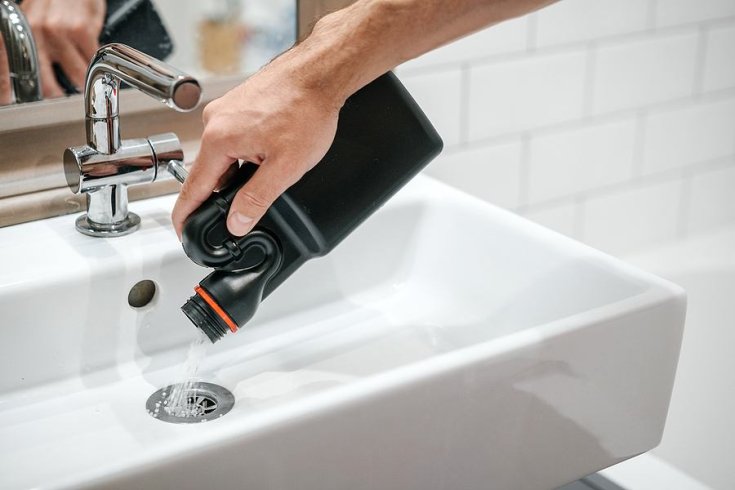
21
Why Harsh Chemicals Can Destroy Your Septic Tank Your septic system is one of the most important parts of your…
Read more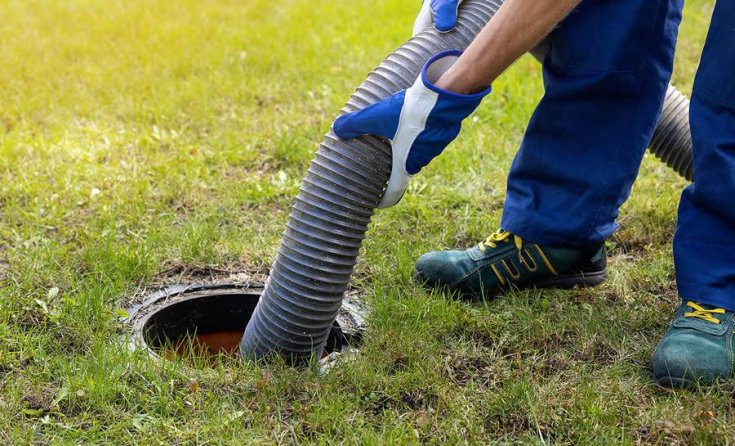
14
Why Homeowners Trust Professional Septic Services A healthy septic system is one of the most important parts of any home,…
Read more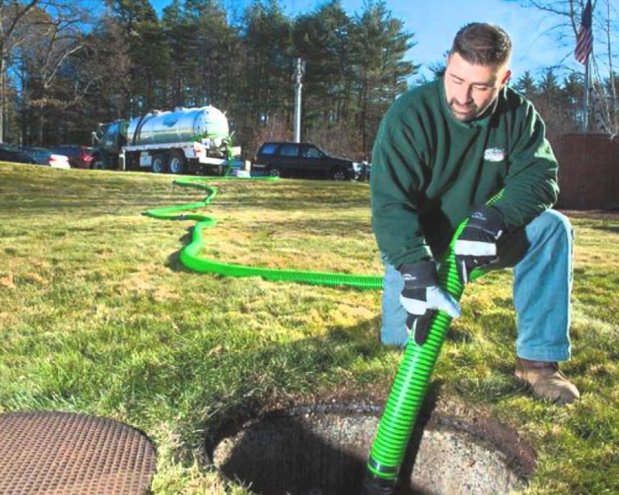
06
Behind the Scenes: What a Septic Company Does on a Job Site Most homeowners know they need septic help when…
Read more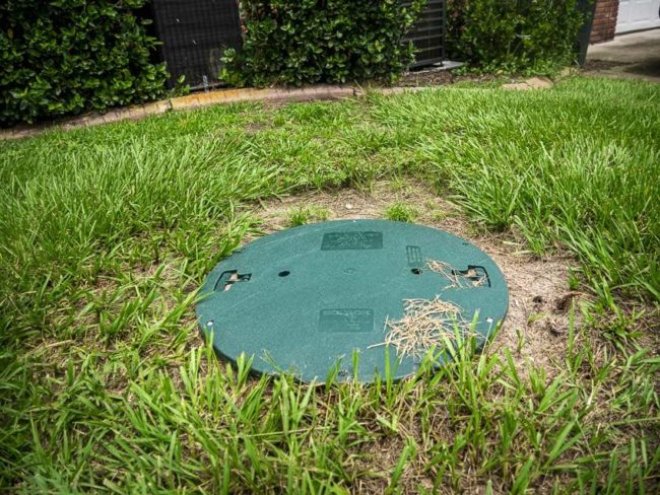
29
Quick Septic Tank Tips You Can Do in 5 Minutes Keeping your septic system in good condition doesn’t always require…
Read more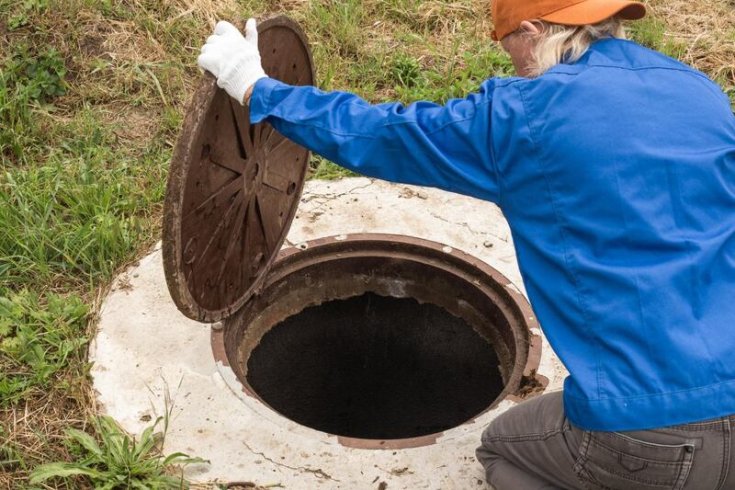
22
Can Heavy Rain Affect Your Septic System? Here’s the Truth When heavy rain hits your area, most homeowners think about…
Read more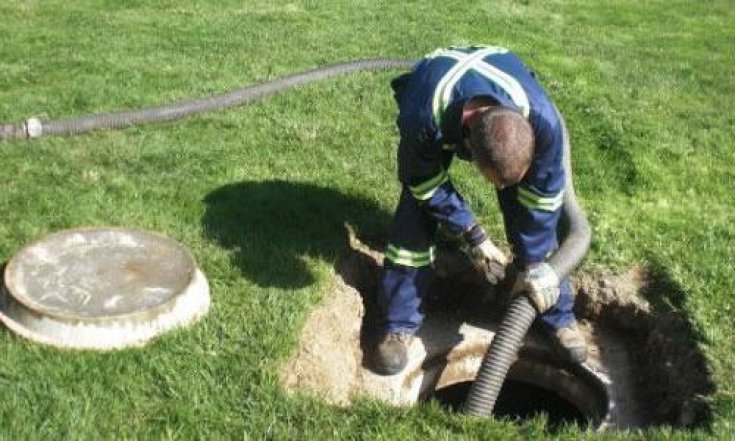
20
How to Extend the Life of Your Septic System Without Stress A well-maintained septic system is one of the most…
Read more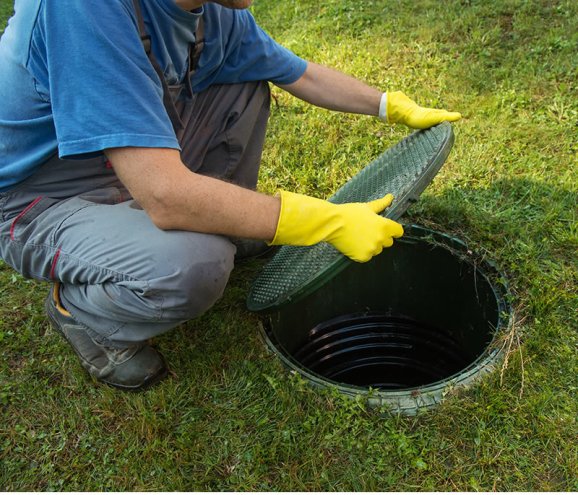
12
What I Wish I Knew Before Buying a Home with a Septic System Buying a home is an exciting milestone,…
Read more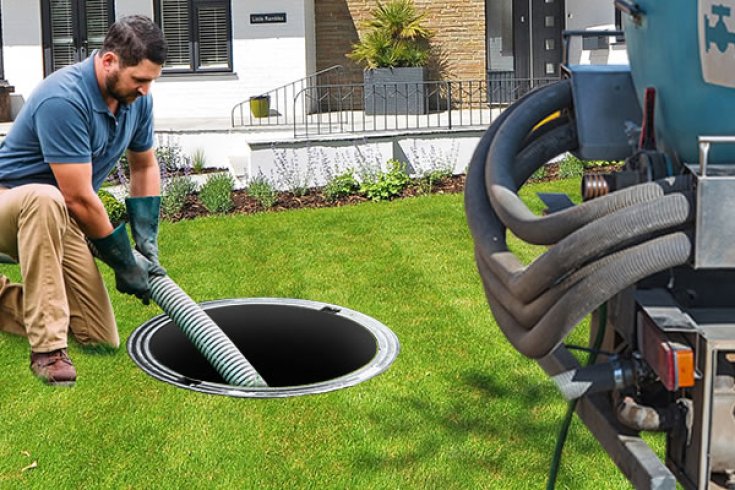
05
Emergency Septic Pumping: When You Should Call a Professional Septic systems are designed to handle household waste efficiently, but when…
Read more
27
Why Is There Standing Water Near My Septic Tank? If you’ve noticed standing water near your septic tank, it’s a…
Read more