How Water Softeners Impact Septic Systems

secondary
Jul

01

Water softeners are commonly used in households to address hard water issues, enhancing the quality of water for daily use. However, their impact on septic systems is a topic of significant interest and concern. Understanding how water softeners interact with septic systems is crucial for homeowners to ensure the longevity and efficiency of both systems.

The Role of Water Softeners

Water softeners are designed to remove calcium and magnesium ions from hard water, which can cause scale buildup in pipes and appliances. These ions are replaced with sodium or potassium ions through a process called ion exchange. The softening process results in the discharge of sodium-rich water, known as brine, into the household plumbing system, which eventually makes its way into the septic system.

Potential Impacts on Septic Systems

The main concern with water softeners is how the discharged brine affects the biological processes within the septic tank. Here are some key points to consider.

Bacterial Activity:

  • Impact: Septic systems rely on bacteria to break down and digest solid waste. There is a concern that the high salt content in brine could harm these beneficial bacteria, reducing the efficiency of the septic tank.
  • Research Findings: Studies have shown mixed results. Some research indicates that modern water softeners, when properly maintained, do not significantly impact bacterial activity. However, excessive salt levels can still pose a risk, especially in older or less efficient systems.

Soil Percolation:

  • Impact: High sodium levels in brine can alter soil structure, reducing its ability to absorb and filter wastewater. This can lead to drainage issues and potential contamination of groundwater.
  • Research Findings: Sodium can cause clay particles in the soil to bind together, reducing permeability. This effect is more pronounced in clay-rich soils and less concerning in sandy soils.

Septic Tank Maintenance:

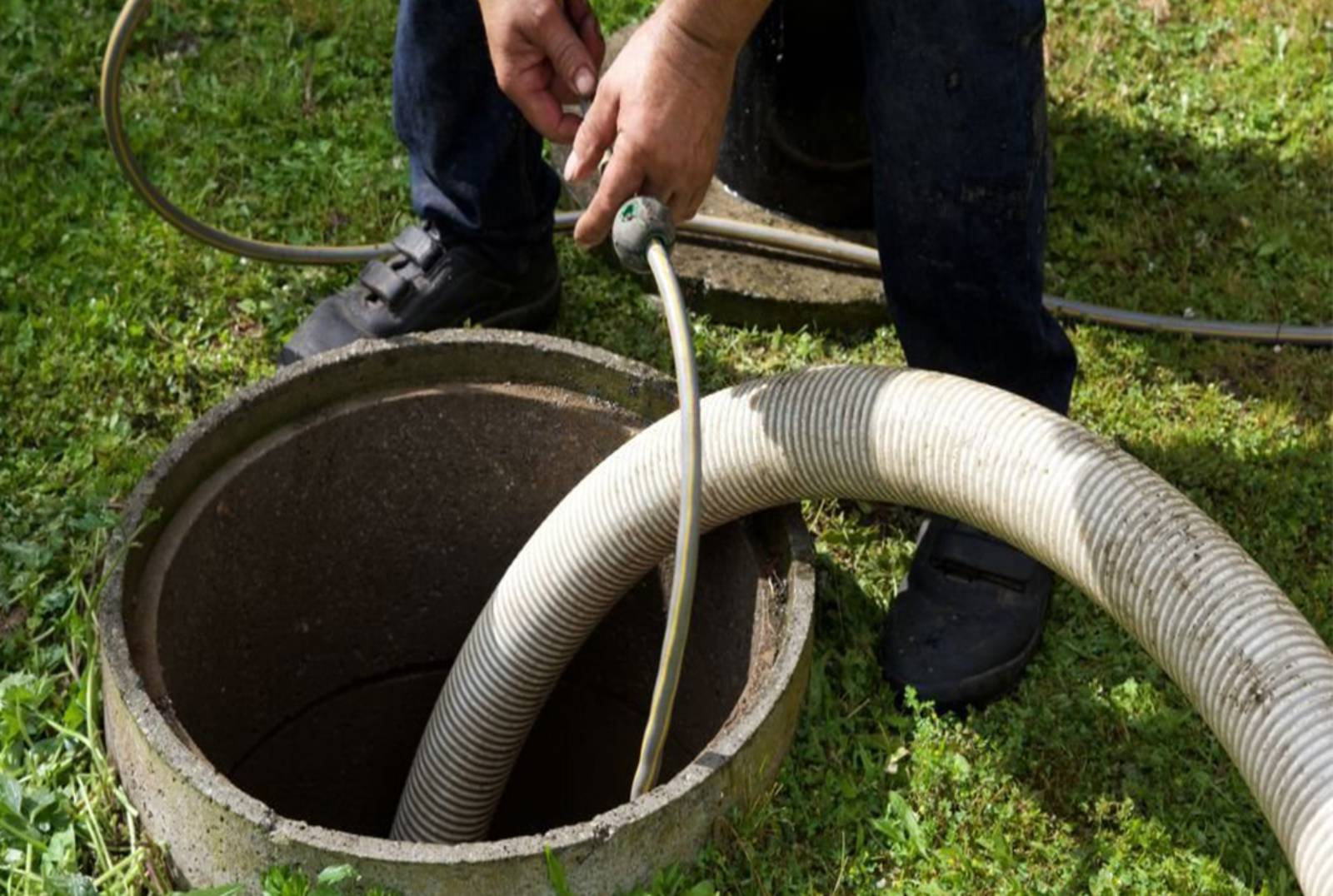
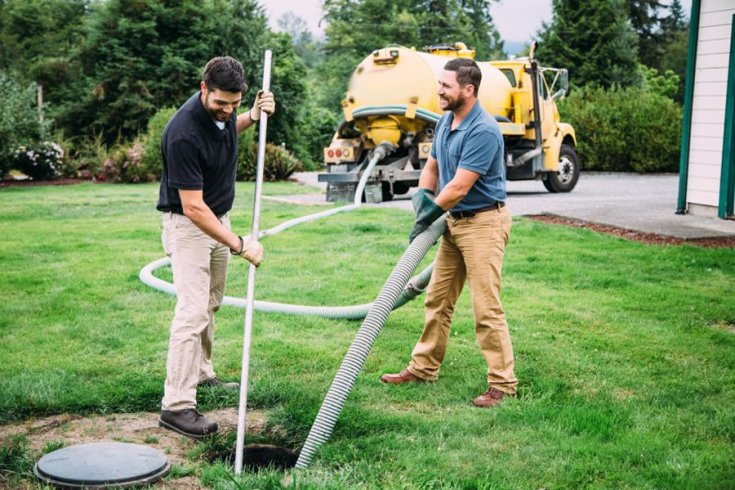
  • Impact: Regular maintenance practices such as septic tank pumping and cleaning are essential to mitigate any negative effects of water softeners. Pumping removes accumulated solids, ensuring that the tank operates efficiently.
  • Best Practices: Homeowners should work with a reputable septic company to schedule regular inspections and maintenance. This includes monitoring the levels of salt and other chemicals in the system.

Proper Installation

  • Septic Tank Installation: Ensure that your septic system is properly installed by professionals. A well-designed system with an appropriate distance between the water softener discharge and the septic tank can help mitigate potential issues.
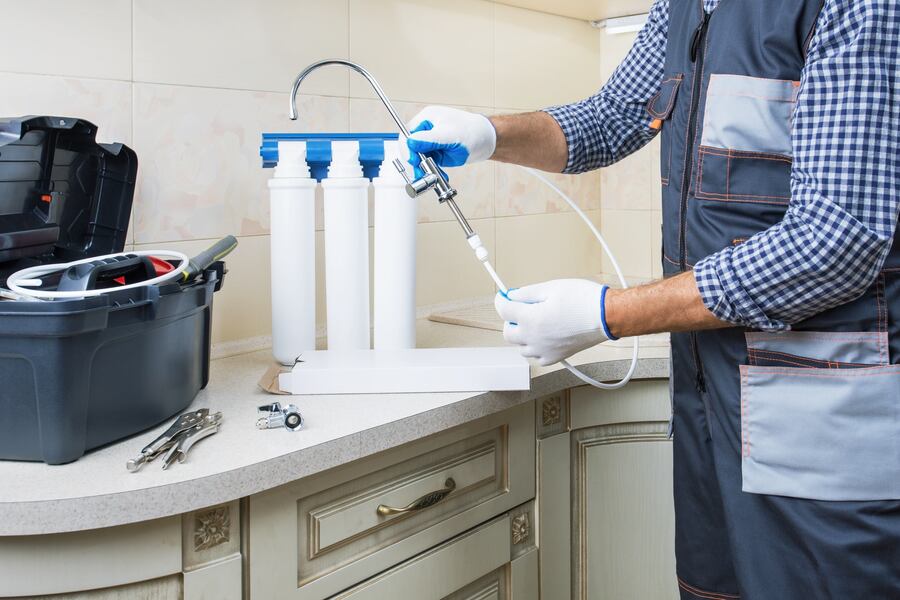
  • Water Softener Installation: Work with a professional at Charlotte Septic Pros to install your water softener correctly. Consider options such as dual-tank systems or demand-initiated regeneration to reduce brine discharge.

Regular Maintenance

  • Septic Tank Cleaning: Schedule regular septic tank pumping and cleaning to remove solids and prevent system overload. This helps maintain the efficiency of the bacterial processes within the tank.
  • Inspection by a Septic Company: Regular inspections by Charlotte Septic Pros can identify potential issues early and ensure that both the septic system and water softener are functioning optimally.

Water softeners can significantly improve the quality of household water, but their impact on septic systems requires careful consideration. By understanding the potential risks and adopting proper maintenance practices, homeowners can ensure the efficient operation of both systems and prevent the risk of septic tank repairs.
Other Latest News & Articles
blog1
SEP

05

Tales from the Tank: The Craziest Things Found During a Routine Pumping Job

Tales from the Tank: The Craziest Things Found During a Routine Pumping Job When most homeowners think about septic tank…

Read more
blog1
AUG

30

Is Your Garbage Disposal Ruining Your Septic Tank?

Is Your Garbage Disposal Ruining Your Septic Tank? Kitchen cleanups become much easier with a garbage disposal, making it convenient…

Read more
blog1
AUG

21

Buying a Home in Charlotte with a Septic System? Here’s What You Need to Know

Buying a Home in Charlotte with a Septic System? Here’s What You Need to Know Buying a home is a…

Read more
blog1
AUG

17

Slow Drains Everywhere? How to Tell Plumbing Clogs from Septic Failure

Slow Drains Everywhere? How to Tell Plumbing Clogs from Septic Failure When several drains in your home start slowing down…

Read more
blog1
AUG

03

Is That Smell Normal? What Different Septic Odors Actually Mean

Is That Smell Normal? What Different Septic Odors Actually Mean A septic system is designed to keep odors out of…

Read more
blog1
JUL

31

10 Everyday Habits That Keep Your Septic System Healthy

10 Everyday Habits That Keep Your Septic System Healthy Most homeowners don't think about their septic system until something starts…

Read more
blog1
JUL

24

Out of Sight, Out of Mind? Why Waiting for a Backup Is the Worst Way to Manage Your Septic Tank

Out of Sight, Out of Mind? Why Waiting for a Backup Is the Worst Way to Manage Your Septic Tank…

Read more
blog1
JUL

20

Where Exactly Is My Septic Tank? 4 Tricks to Find a Buried Lid Without Digging Up the Whole Yard

Where Exactly Is My Septic Tank? 4 Tricks to Find a Buried Lid Without Digging Up the Whole Yard Eventually,…

Read more
blog1
JUL

09

The Garbage Disposal vs. Septic Tank Showdown: Can They Ever Coexist?

The Garbage Disposal vs. Septic Tank Showdown: Can They Ever Coexist? Garbage disposals are convenient kitchen appliances, but homeowners with…

Read more
blog1
JUL

06

How to Spot a Septic Scam: What Real "Budget-Friendly" Service Looks Like

How to Spot a Septic Scam: What Real "Budget-Friendly" Service Looks Like Every homeowner likes saving money. There's nothing wrong…

Read more