

Call Today to Get
$50 OFF Septic Repair
Call Today to Get
$50 OFF Septic Repair
24
When heavy rain or flooding hits, one of the most vulnerable systems on your property is your septic system. Excess water can easily overwhelm your tank and drain field, leading to sewage backups, unpleasant odors, and costly repairs. By taking proactive steps, you can protect your septic system and keep it working efficiently no matter what the weather brings. Here’s how to prepare your septic system for heavy rain or flooding.
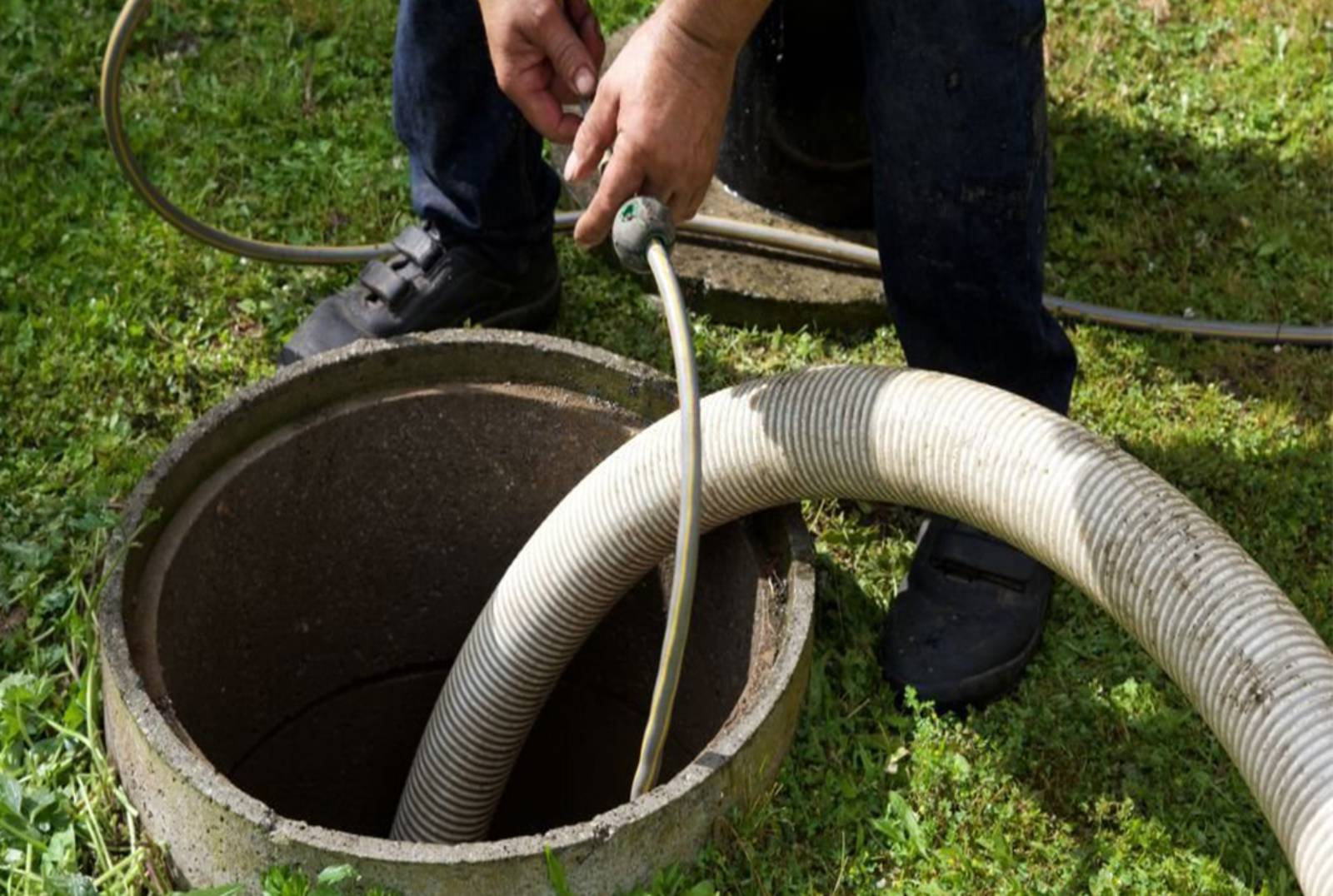
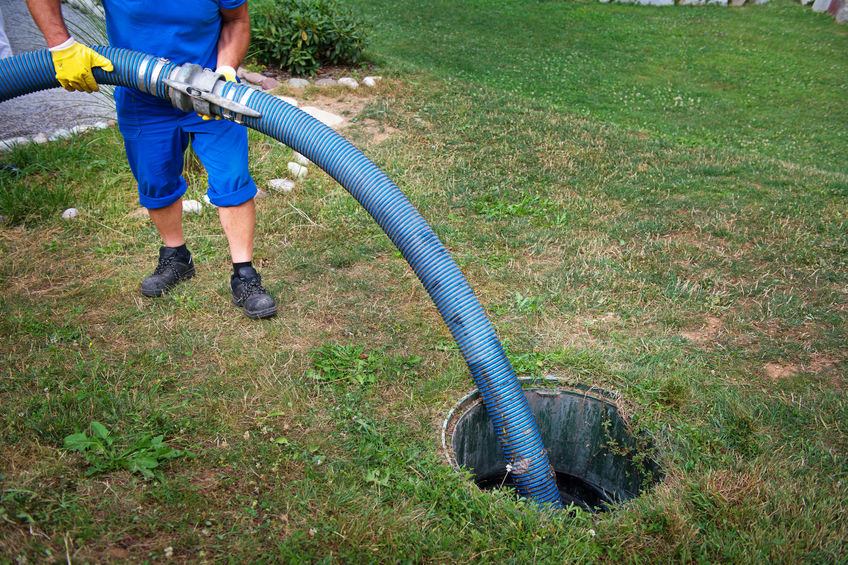
The best defense against flooding is regular septic tank pumping. When your tank is already full or nearing capacity, even moderate rainfall can cause it to overflow. Pumping removes accumulated solids and sludge, giving your system enough capacity to handle excess water.
Experts recommend septic tank pumping every 3 to 5 years, depending on your household size and water usage. However, if your area is expecting a heavy storm season, consider scheduling a septic pumping service in Concord, SC ahead of time. An empty or well-maintained tank is far less likely to flood or back up during periods of intense rain.
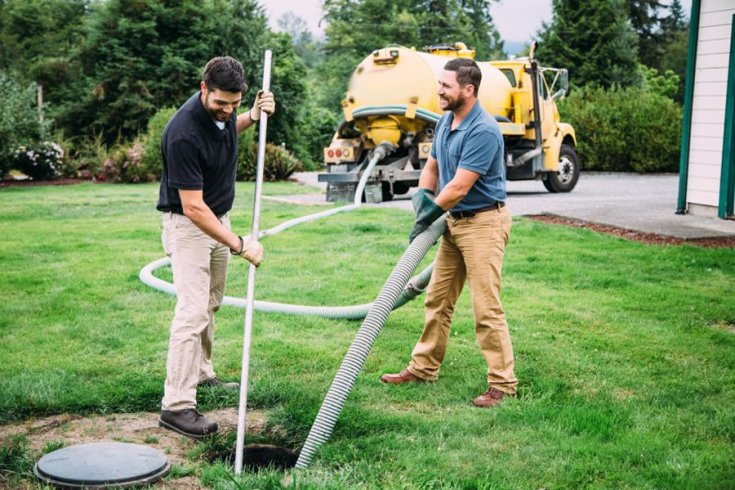
Routine septic tank cleaning goes beyond just pumping out waste — it ensures that the tank, filters, and other components are free from buildup or blockages that could prevent proper drainage. A clogged or poorly maintained system can’t process incoming wastewater efficiently, and during a storm, this inefficiency can cause wastewater to back up into your home or yard.
By hiring a professional for septic tank cleaning, you can catch early warning signs such as cracks, damaged baffles, or excessive scum buildup. Charlotte Septic Pros provides thorough inspections and cleaning to ensure your system is in top shape before bad weather arrives.
Your drain field plays a crucial role in filtering wastewater safely into the ground. Unfortunately, this area is highly susceptible to flooding. When the soil becomes saturated with rainwater, it can no longer absorb additional wastewater, leading to slow drains or backups inside your home.
To prepare your drain field for heavy rain:
Keeping the drain field dry and uncompressed ensures it can function properly when rain starts to fall.
If your property is prone to flooding, consider sealing any exposed septic tank openings and raising electrical components such as pumps or alarms. Waterproof risers and lids can prevent rainwater from seeping into the tank. Likewise, having your system inspected for cracks or loose seals can stop groundwater infiltration.
Charlotte Septic Pros recommends installing risers for easy access and sealing inspection ports with watertight covers. These small upgrades go a long way in protecting your system during extreme weather.
Once the rain stops, your system still needs attention. Avoid using it heavily until the ground dries out — overloading it can cause untreated wastewater to surface or back up. Check for signs of damage such as slow drains, foul smells, or standing water above your tank or drain field.
After severe flooding, it’s best to call a professional for an inspection. Our team at Charlotte Septic Pros can assess whether your system sustained water damage, perform necessary septic tank cleaning, and ensure it’s safe to use again.
Heavy rain and flooding are inevitable, but septic problems don’t have to be. With timely septic tank pumping, professional maintenance, and a few preventive measures, you can keep your septic system running smoothly year-round.
If you’re preparing for storm season, contact Charlotte Septic Pros today. Our expert technicians provide dependable septic pumping, cleaning, and inspection services to keep your home safe and your system ready for any weather.
04
Residential vs Commercial Septic Services: What’s the Difference? Septic systems may all serve the same basic purpose—collecting, treating, and dispersing…
Read more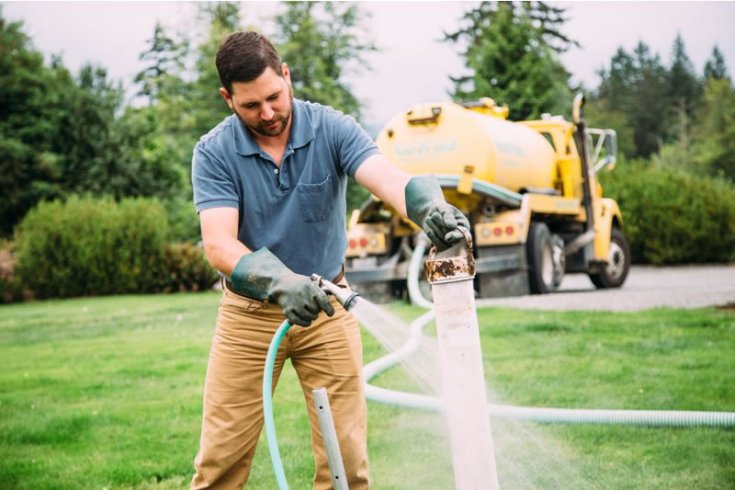
29
How to Protect Your Septic System During Busy Household Seasons Busy household seasons can put extra pressure on your septic…
Read more
21
Why Harsh Chemicals Can Destroy Your Septic Tank Your septic system is one of the most important parts of your…
Read more
14
Why Homeowners Trust Professional Septic Services A healthy septic system is one of the most important parts of any home,…
Read more
06
Behind the Scenes: What a Septic Company Does on a Job Site Most homeowners know they need septic help when…
Read more
29
Quick Septic Tank Tips You Can Do in 5 Minutes Keeping your septic system in good condition doesn’t always require…
Read more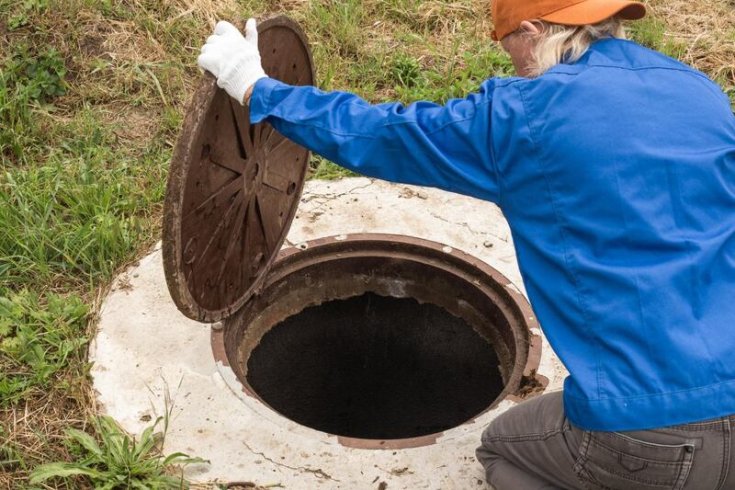
22
Can Heavy Rain Affect Your Septic System? Here’s the Truth When heavy rain hits your area, most homeowners think about…
Read more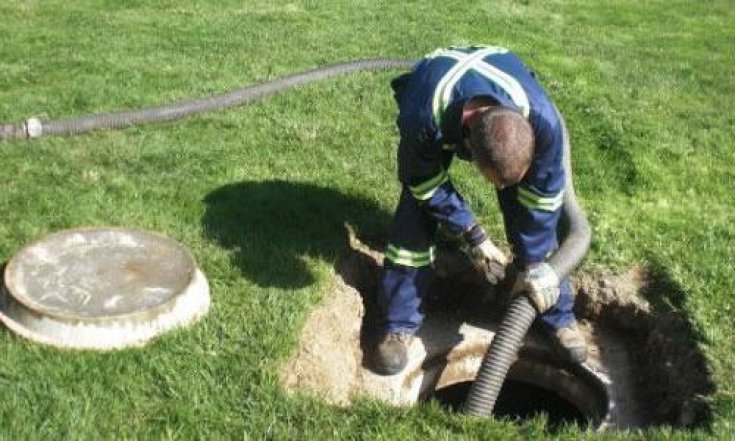
20
How to Extend the Life of Your Septic System Without Stress A well-maintained septic system is one of the most…
Read more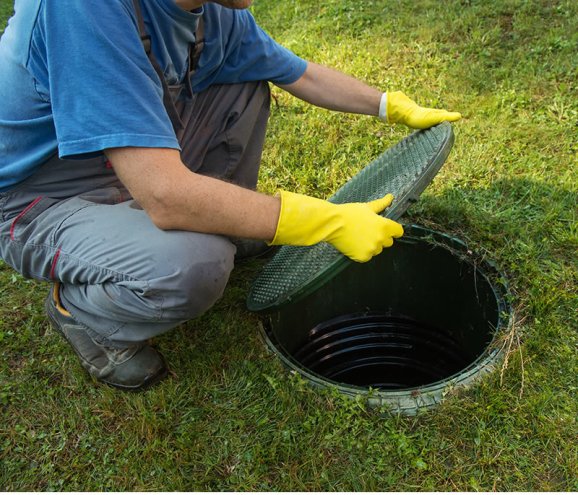
12
What I Wish I Knew Before Buying a Home with a Septic System Buying a home is an exciting milestone,…
Read more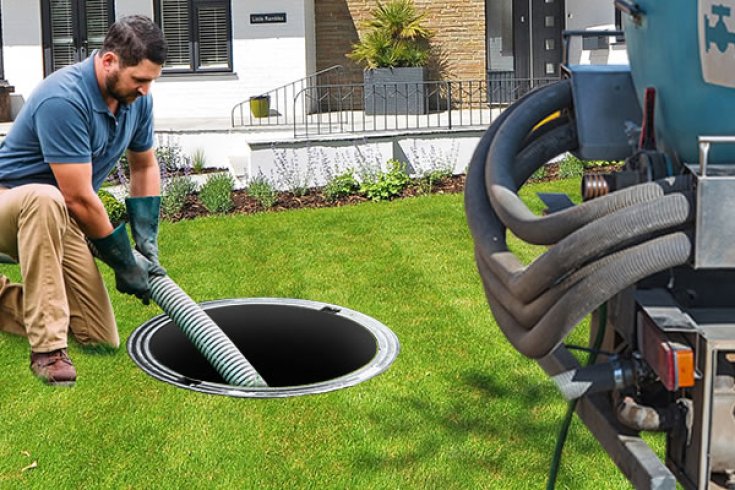
05
Emergency Septic Pumping: When You Should Call a Professional Septic systems are designed to handle household waste efficiently, but when…
Read more