

Call Today to Get
$50 OFF Septic Repair
Call Today to Get
$50 OFF Septic Repair
30
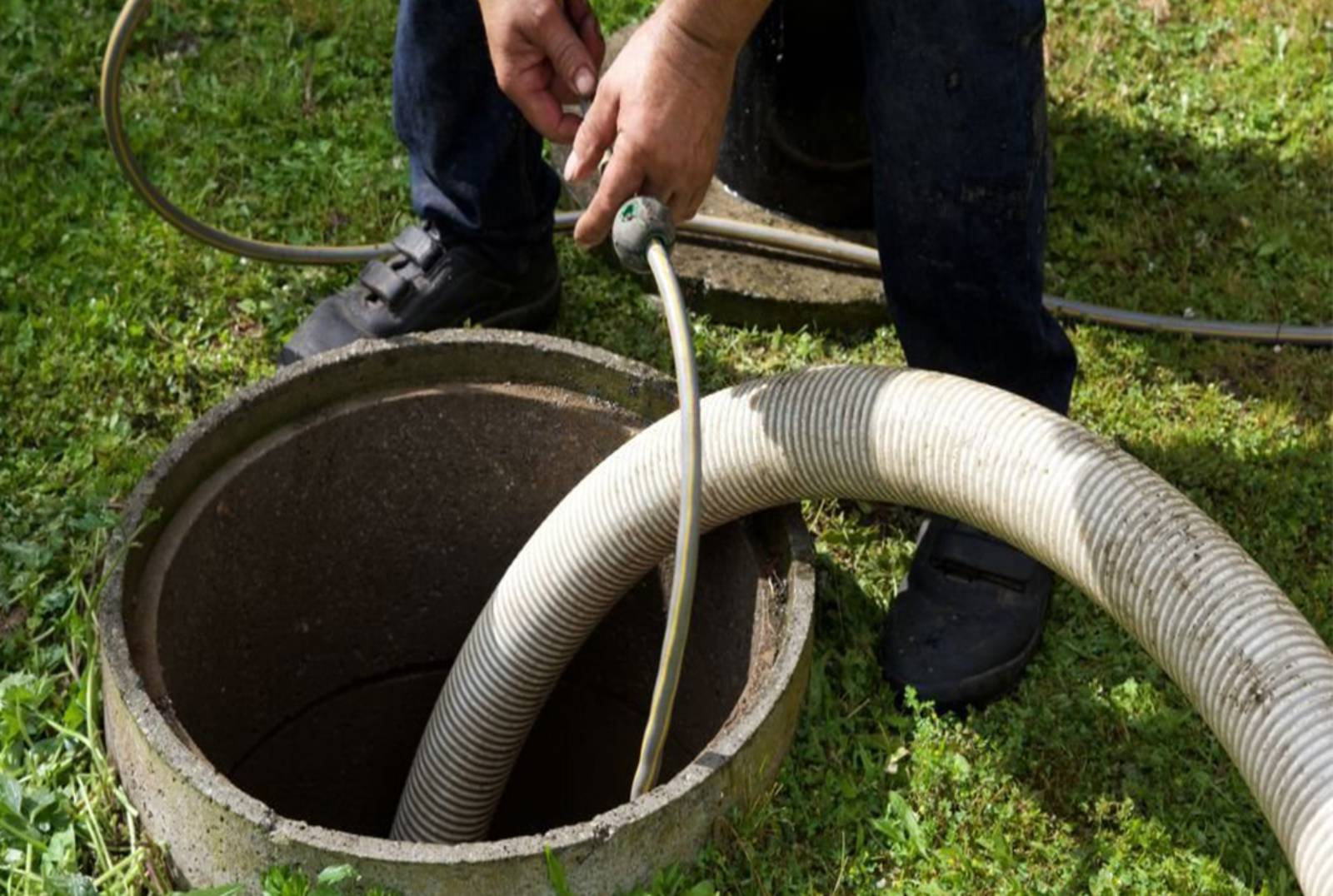
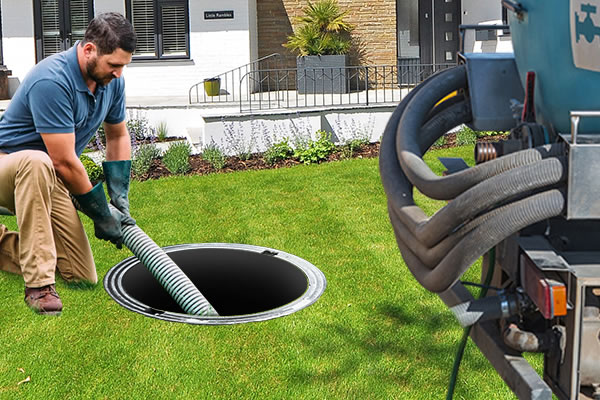
A septic system is one of the most important yet often overlooked parts of a property. It handles wastewater safely and efficiently, but like any system, it requires regular care to function properly. One of the most critical maintenance tasks is septic tank pumping. Unfortunately, many homeowners delay or forget about it until problems arise. At Charlotte Septic Pros, we want you to understand what can happen if you wait too long to pump your septic tank and why routine septic pumping and cleaning are vital.
Your septic tank collects and separates household wastewater into three layers: solids (sludge) at the bottom, grease and oils (scum) at the top, and liquid wastewater in the middle. Over time, the sludge and scum layers build up. Septic tank pumping removes these layers before they overflow and cause system failure.
Without regular pumping, your tank will eventually fill up, forcing waste to move into your home, yard, or even local waterways.
Delaying septic pumping can create costly and unpleasant consequences. Here are the most common risks.
Most experts recommend septic pumping every 3–5 years, depending on the size of your tank, the number of people in your household, and your water usage habits. Larger families or homes with high water consumption may need more frequent service. The safest way to determine the right schedule is by working with a professional septic company like Charlotte Septic Pros.
Even if you’ve lost track of when your last service was, your system will give you warning signs. Be on the lookout for:
If you notice any of these symptoms, it’s time to call a professional for septic tank cleaning.
Regular septic pumping isn’t just about avoiding messy problems, it’s about protecting your property and your family’s health. At Charlotte Septic Pros, we provide reliable septic tank pumping and septic tank cleaning services to keep your system running smoothly. Our experienced technicians use the latest equipment to ensure a thorough job every time.
By scheduling routine maintenance, you’ll extend the life of your septic system, avoid costly repairs, and enjoy peace of mind knowing your home’s wastewater is being handled properly.
If you’ve been putting off septic maintenance, now is the time to act. Waiting too long can lead to backups, damage, and expensive repairs. Contact Charlotte Septic Pros today to schedule professional septic tank pumping and keep your system in top shape.
04
Residential vs Commercial Septic Services: What’s the Difference? Septic systems may all serve the same basic purpose—collecting, treating, and dispersing…
Read more
29
How to Protect Your Septic System During Busy Household Seasons Busy household seasons can put extra pressure on your septic…
Read more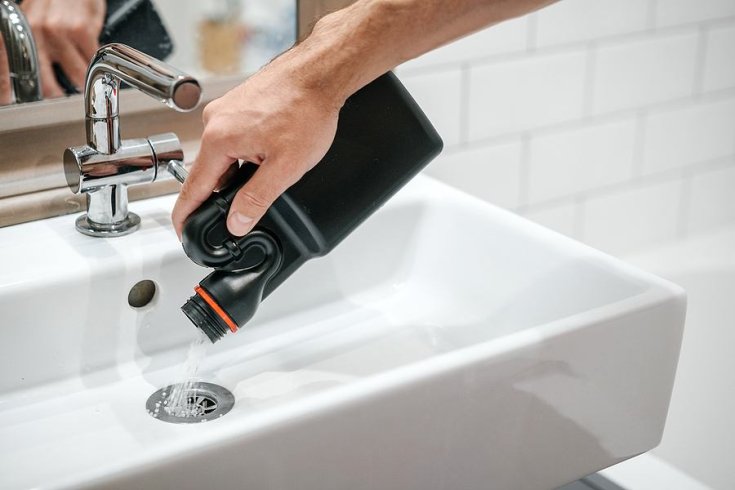
21
Why Harsh Chemicals Can Destroy Your Septic Tank Your septic system is one of the most important parts of your…
Read more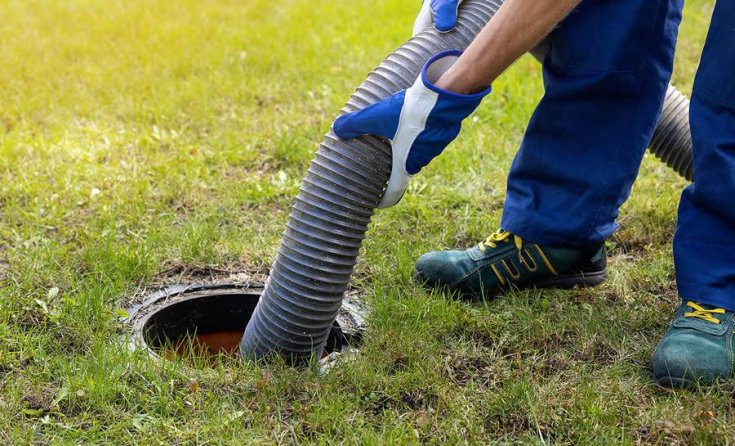
14
Why Homeowners Trust Professional Septic Services A healthy septic system is one of the most important parts of any home,…
Read more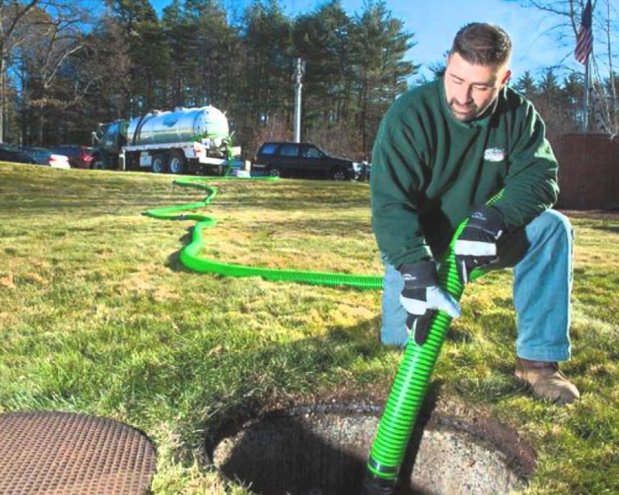
06
Behind the Scenes: What a Septic Company Does on a Job Site Most homeowners know they need septic help when…
Read more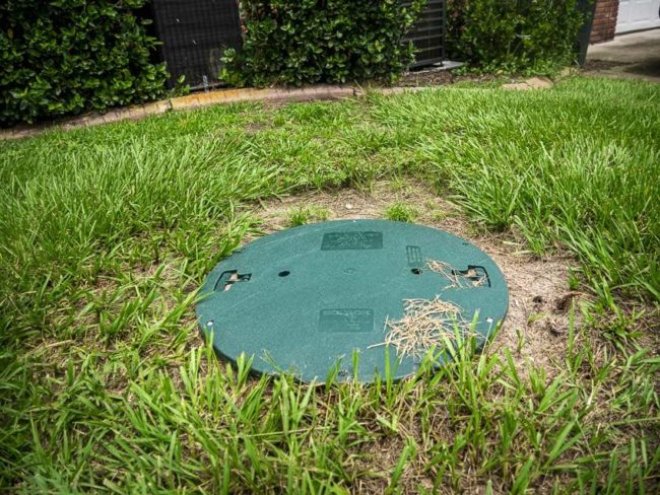
29
Quick Septic Tank Tips You Can Do in 5 Minutes Keeping your septic system in good condition doesn’t always require…
Read more
22
Can Heavy Rain Affect Your Septic System? Here’s the Truth When heavy rain hits your area, most homeowners think about…
Read more
20
How to Extend the Life of Your Septic System Without Stress A well-maintained septic system is one of the most…
Read more
12
What I Wish I Knew Before Buying a Home with a Septic System Buying a home is an exciting milestone,…
Read more
05
Emergency Septic Pumping: When You Should Call a Professional Septic systems are designed to handle household waste efficiently, but when…
Read more