
Call Today to Get
$50 OFF Septic Repair
Call Today to Get
$50 OFF Septic Repair
28
Aerobic septic systems are becoming more favored as substitutes for conventional septic systems, particularly in regions with inadequate soil drainage. Aerobic systems, unlike traditional septic systems, use oxygen to process wastewater, which increases their effectiveness in decomposing organic matter. Take a closer examination of the pros and cons of aerobic septic systems and factors to weigh before transitioning.
A key advantage of aerobic systems is their capacity to efficiently treat wastewater. These systems can decompose waste more quickly and efficiently than conventional systems by utilizing aerobic bacteria that need oxygen to survive. This decreases the chance of groundwater contamination and results in cleaner wastewater output, which may be reused for irrigation in certain states.
Aerobic systems can be used in locations with inadequate soil drainage or excessive groundwater levels, where conventional systems may not work effectively. If you're thinking about septic tank installation in difficult soil conditions, an aerobic system could be the answer. Their sophisticated tools enable them to operate effectively in locations with clay or rocky soil, as well as on smaller properties with limited space.
Though aerobic systems still need to be pumped, they typically require less frequent septic tank pumping compared to traditional systems due to more efficient solid waste breakdown during the oxygen-based treatment process. This could result in long-term cost savings and decreased sludge buildup, which helps maintain a cleaner tank for extended durations.
Due to the fact that aerobic systems generate more environmentally friendly fluids, they may be preferable for the environment. This system works to decrease dangerous pathogens, enhancing the safety of nearby water sources and the surrounding ecosystem. Choosing an aerobic system is a fantastic option if you value eco-friendly waste treatment.
Despite their numerous benefits, aerobic systems need constant upkeep to maintain their efficiency in both oxygen supply and treatment processes. The aerator and disinfecting unit need frequent checks and cleaning, typically with help from a septic company. Regular septic tank cleaning is crucial for these systems, as failure to do so can result in blockages and decreased effectiveness.
Septic tank installation for an aerobic system is typically pricier than a traditional system because of extra parts and intricacy. Maintenance expenses are also increased, as the system contains a greater number of components that require frequent maintenance or possible replacement. These extra costs must be considered in comparison to the advantages of the options for installation.
Aerobic systems have a higher level of complexity compared to traditional systems, leading to a greater likelihood of malfunctions. Should the system malfunction, it could endanger the wastewater treatment process, resulting in unpleasant smells, stagnant water, or potential health risks. Septic tank repairs and regular inspections by a professional septic company like Charlotte Septic Pros are essential to prevent unexpected malfunctions in septic tanks.
In contrast to traditional septic systems, aerobic systems need electricity to operate the aerator that adds oxygen to the tank. This implies they will not work correctly during a power failure, which may be an issue without backup power. Depending on electricity too much can also lead to higher utility expenses in the long run.
Consulting professionals at Charlotte Septic Pros for the best septic option for your home will help you make an informed decision about your septic system.
21
Why Harsh Chemicals Can Destroy Your Septic Tank Your septic system is one of the most important parts of your…
Read more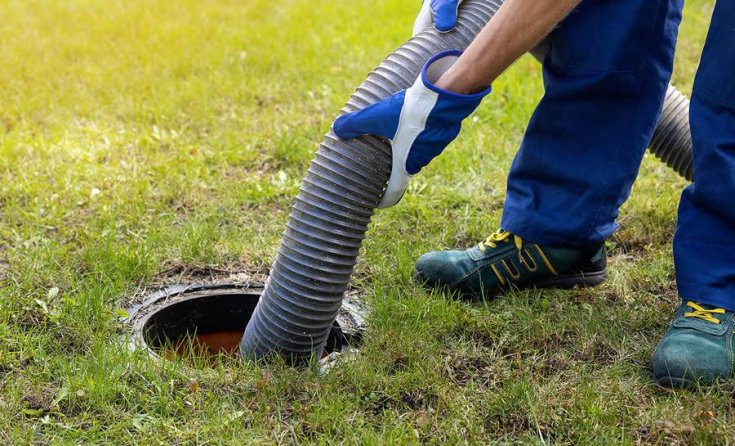
14
Why Homeowners Trust Professional Septic Services A healthy septic system is one of the most important parts of any home,…
Read more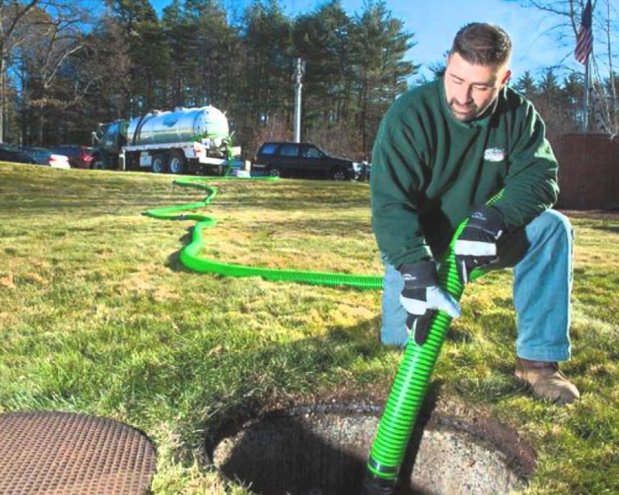
06
Behind the Scenes: What a Septic Company Does on a Job Site Most homeowners know they need septic help when…
Read more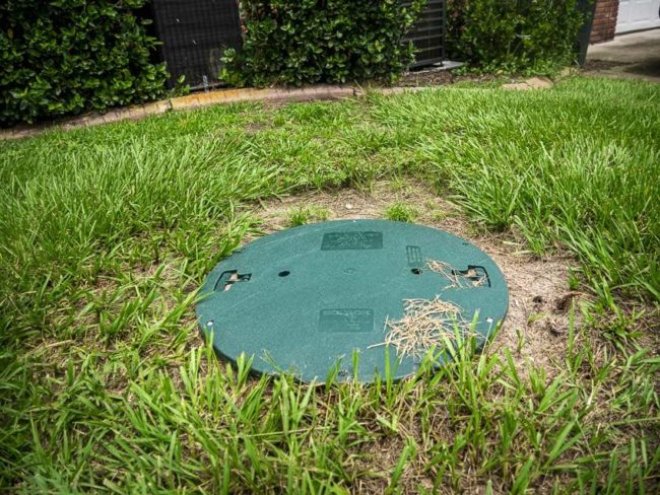
29
Quick Septic Tank Tips You Can Do in 5 Minutes Keeping your septic system in good condition doesn’t always require…
Read more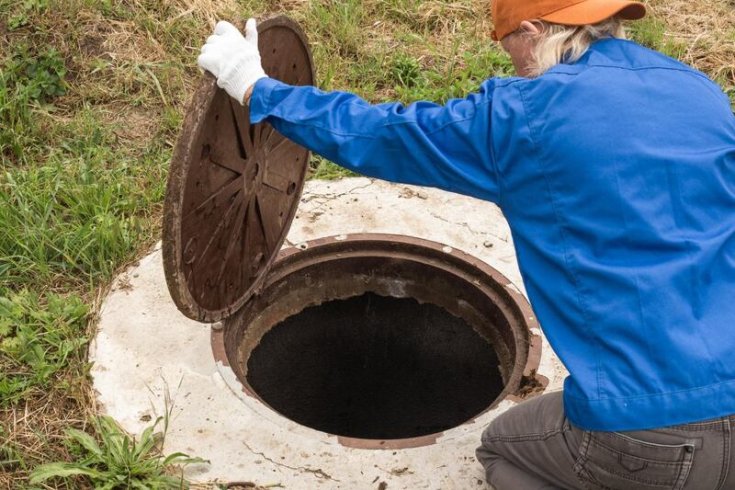
22
Can Heavy Rain Affect Your Septic System? Here’s the Truth When heavy rain hits your area, most homeowners think about…
Read more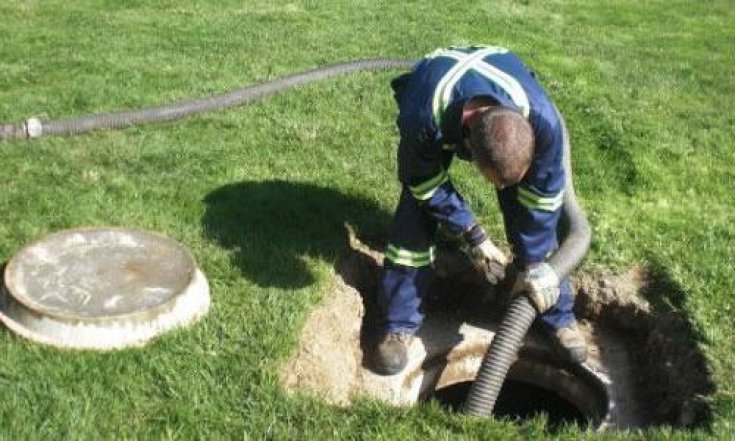
20
How to Extend the Life of Your Septic System Without Stress A well-maintained septic system is one of the most…
Read more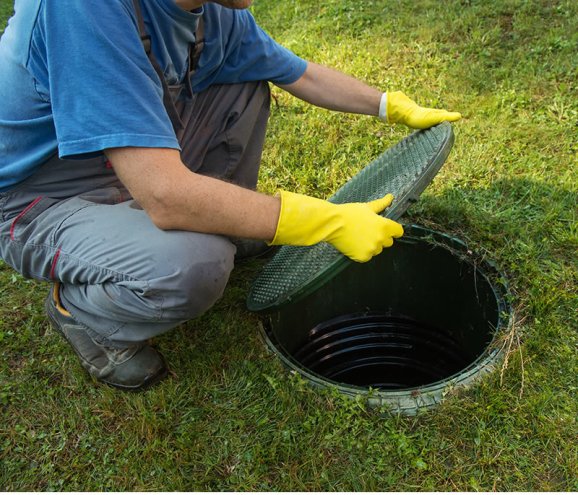
12
What I Wish I Knew Before Buying a Home with a Septic System Buying a home is an exciting milestone,…
Read more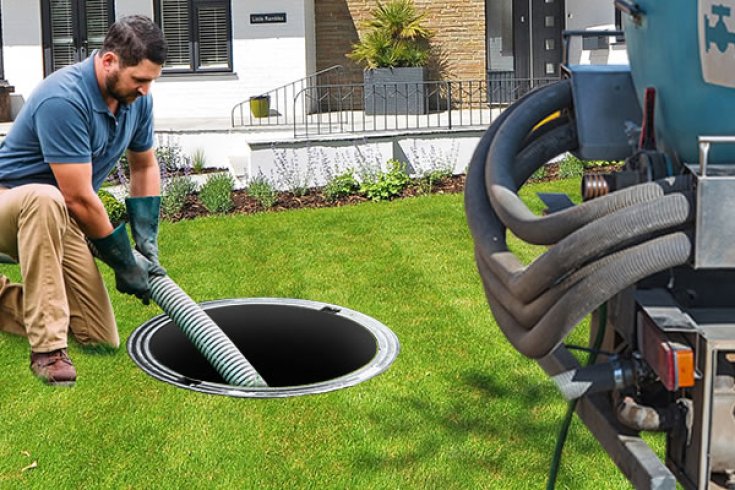
05
Emergency Septic Pumping: When You Should Call a Professional Septic systems are designed to handle household waste efficiently, but when…
Read more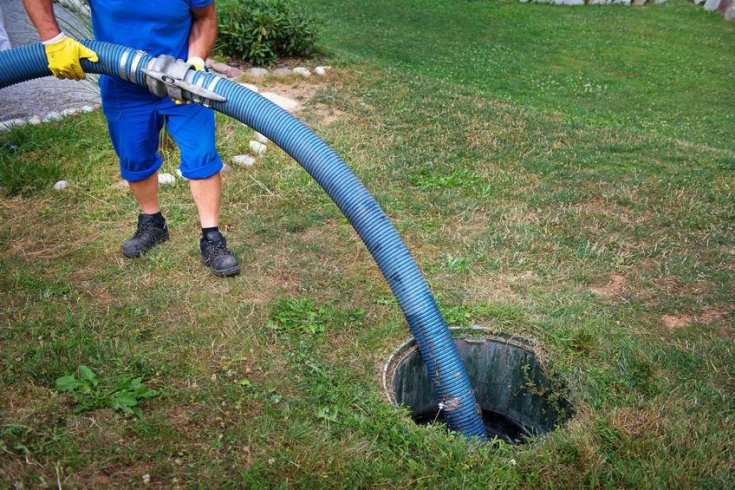
27
Why Is There Standing Water Near My Septic Tank? If you’ve noticed standing water near your septic tank, it’s a…
Read more
19
From Flush to Breakdown: The Journey Inside a Septic Tank When you flush your toilet or send water down your…
Read more