

Call Today to Get
$50 OFF Septic Repair
Call Today to Get
$50 OFF Septic Repair
12
With winter on the horizon, homeowners need to implement specific measures to safeguard their pipes and drains against freezing conditions. Not preparing your plumbing for winter can result in broken pipes, blocked drains, and expensive fixes. For residences with septic systems, the dangers are heightened, since frozen pipes or tanks can lead to significant harm. Implementing measures to protect your plumbing and septic system guarantees a trouble-free winter. This manual includes vital advice for getting your pipes and drains ready for the upcoming cold season.
Frigid temperatures may cause the water within your pipes to expand, resulting in bursts that can lead to water damage. To avoid this, begin by insulating unprotected pipes in places such as basements, crawl spaces, attics, and garages. Foam pipe insulation is cost-effective and simple to install. If you possess an outdoor septic system, keep in mind that frozen pipes may hinder waste flow, resulting in backups. Reach out to Charlotte Septic Pros for guidance on insulating the pipes linked to your septic system.
Chilly air can enter your house through openings and fissures, making your pipes vulnerable to freezing temperatures. Close any noticeable gaps or leaks around doors, windows, and walls to prevent the cold from entering. Furthermore, examine spots where pipes come into or leave your house. A reliable septic company can inspect your septic system for leaks or cracks that might worsen in cold weather and suggest timely septic tank repairs if necessary.
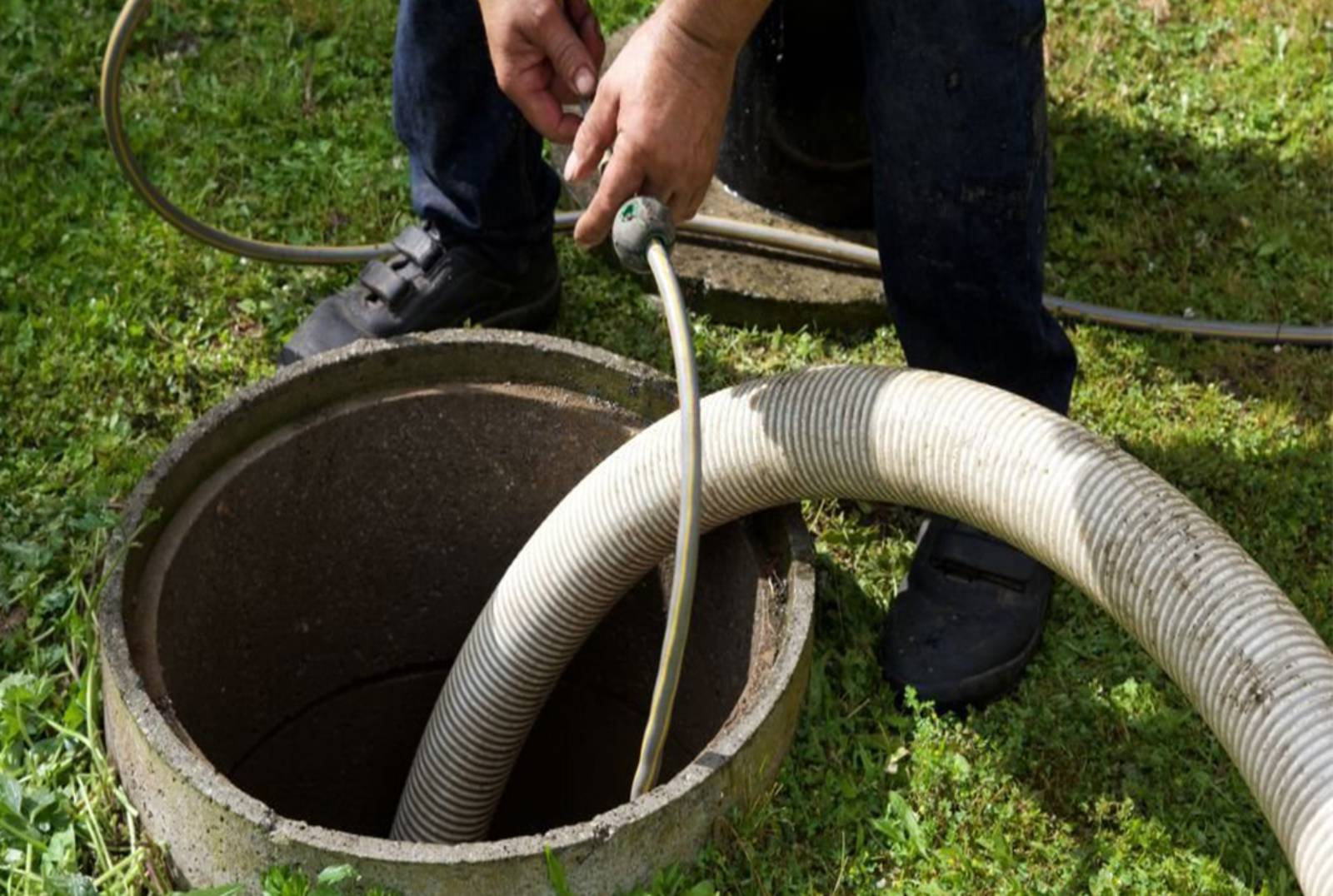
If your septic tank is almost full, it's advisable to arrange for a septic tank pumping before winter arrives. A completely filled tank can ice over at very low temperatures, resulting in obstructions and expensive repairs. Filling your tank before winter lowers the chances of backups and ensures your system operates efficiently. Consistent septic tank pumping is an essential aspect of preparing your plumbing for winter.
A straightforward yet highly effective winterization task is to disconnect and empty outdoor hoses and faucets. Water remaining in outside pipes can freeze and lead to damage. Ensure that you turn off the water supply to outside faucets and remove any leftover water to avoid ice formation within the pipes.
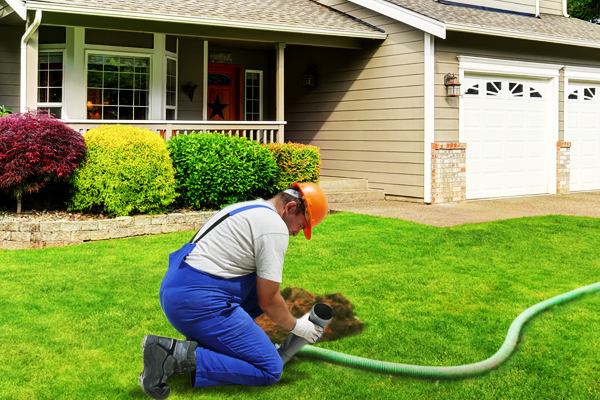
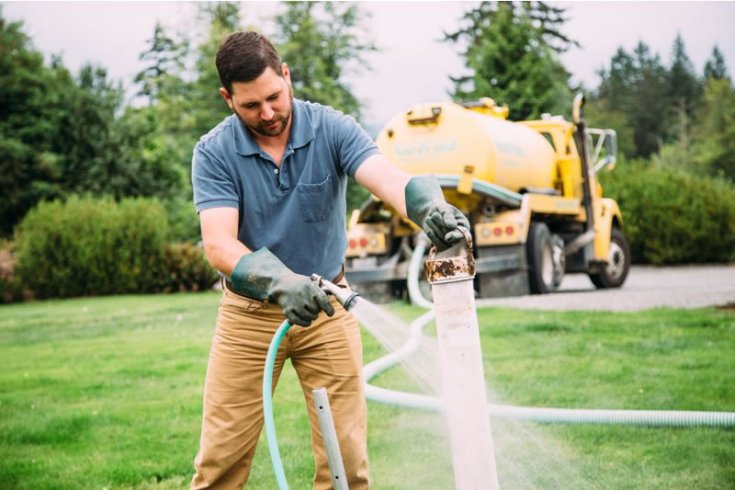
Prior to the arrival of winter, think about arranging a septic tank cleaning and inspection. A tidy tank functions more effectively and is less prone to issues during cold temperatures. A comprehensive evaluation by a qualified septic service can detect possible problems, like fractures or leaks, that might need septic tank repair or possibly new septic tank installation if the damage is significant. Keeping your system tidy and well-maintained enables it to withstand extreme weather conditions.
Blocked drains are more likely to freeze, making it important to keep them free of obstructions. Refrain from disposing of grease, oil, or food remnants in your drains, as they may accumulate and cause clogs. Utilize drain screens to collect hair and other materials, and occasionally rinse your drains with hot water to maintain their cleanliness. If your septic system processes waste from the kitchen and bathroom, a blocked drain can put pressure on the system, so ensuring pipes remain clear helps prevent unnecessary septic tank repairs.
No matter how hard you try, problems may occur in the winter. Whether it’s a frozen pipe, a backup issue, or a system malfunction, understanding when to contact a septic company is essential. Experts can evaluate the issue and offer practical solutions, such as repairing the septic tank or having a new septic tank installation if your system is obsolete or irreparable.
Winter can be harsh on your home's plumbing and septic systems, yet adequate preparation can help you avoid costly and troublesome issues. By insulating pipes, arranging prompt septic tank pumping, and maintaining a clean system, you can safeguard your property from the severe impacts of winter. Feel free to contact a plumber at Charlotte Septic Pros for expert assistance with septic tank cleaning, inspections, or repairs. By taking the appropriate precautions, your pipes and drains will stay secure and operational during the winter months.
29
How to Protect Your Septic System During Busy Household Seasons Busy household seasons can put extra pressure on your septic…
Read more
21
Why Harsh Chemicals Can Destroy Your Septic Tank Your septic system is one of the most important parts of your…
Read more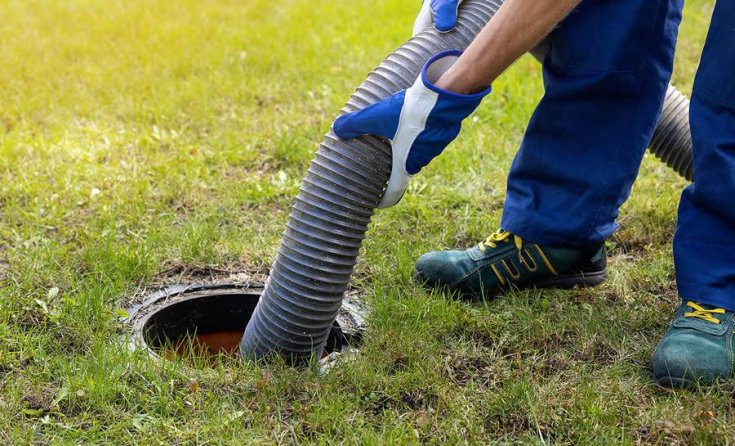
14
Why Homeowners Trust Professional Septic Services A healthy septic system is one of the most important parts of any home,…
Read more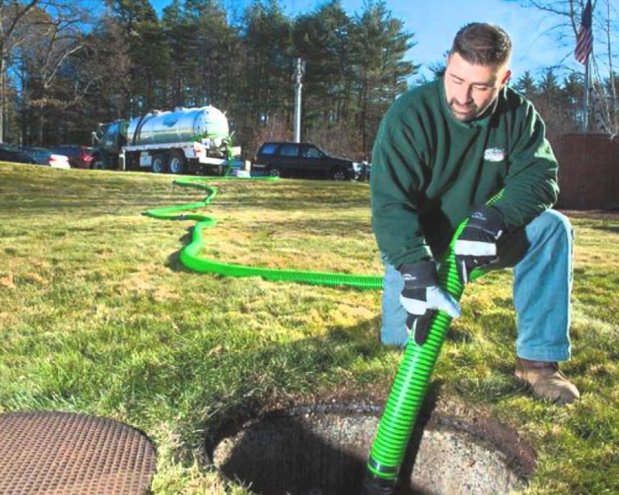
06
Behind the Scenes: What a Septic Company Does on a Job Site Most homeowners know they need septic help when…
Read more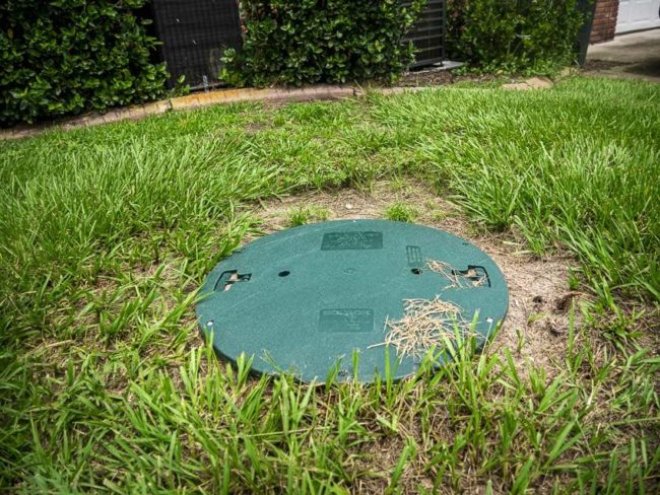
29
Quick Septic Tank Tips You Can Do in 5 Minutes Keeping your septic system in good condition doesn’t always require…
Read more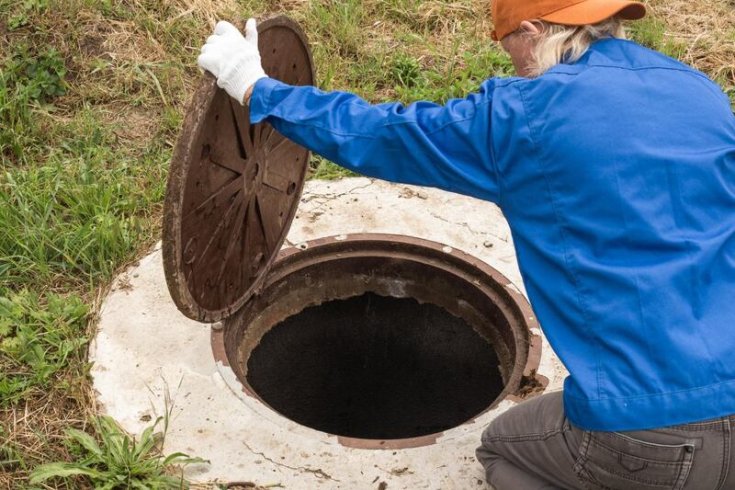
22
Can Heavy Rain Affect Your Septic System? Here’s the Truth When heavy rain hits your area, most homeowners think about…
Read more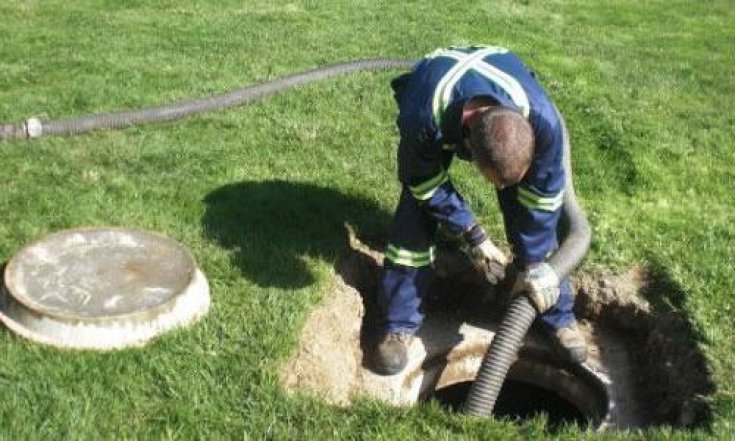
20
How to Extend the Life of Your Septic System Without Stress A well-maintained septic system is one of the most…
Read more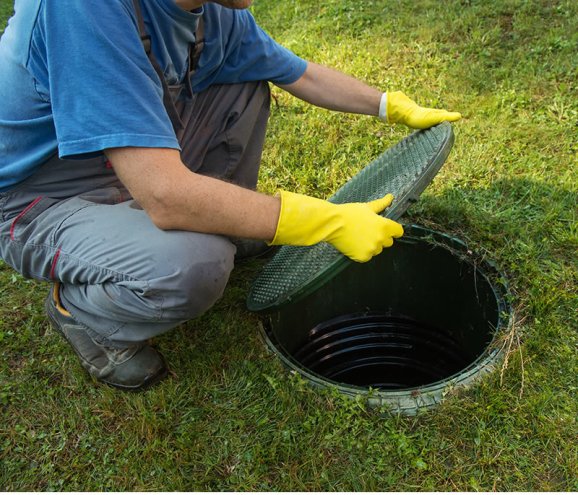
12
What I Wish I Knew Before Buying a Home with a Septic System Buying a home is an exciting milestone,…
Read more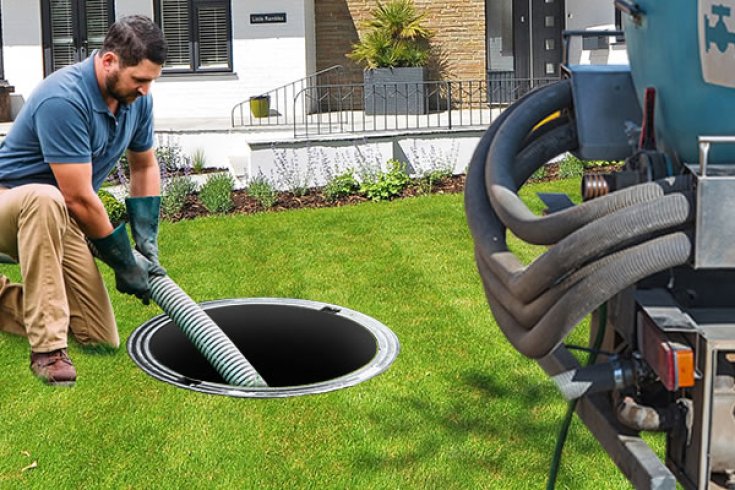
05
Emergency Septic Pumping: When You Should Call a Professional Septic systems are designed to handle household waste efficiently, but when…
Read more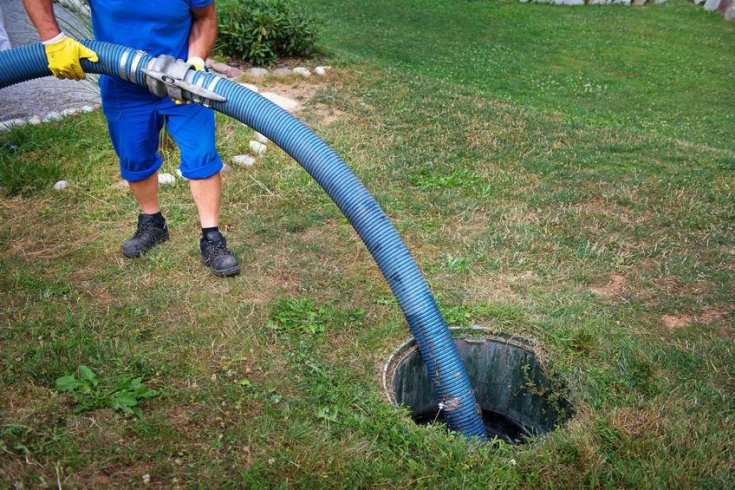
27
Why Is There Standing Water Near My Septic Tank? If you’ve noticed standing water near your septic tank, it’s a…
Read more