

Call Today to Get
$50 OFF Septic Repair
Call Today to Get
$50 OFF Septic Repair
24
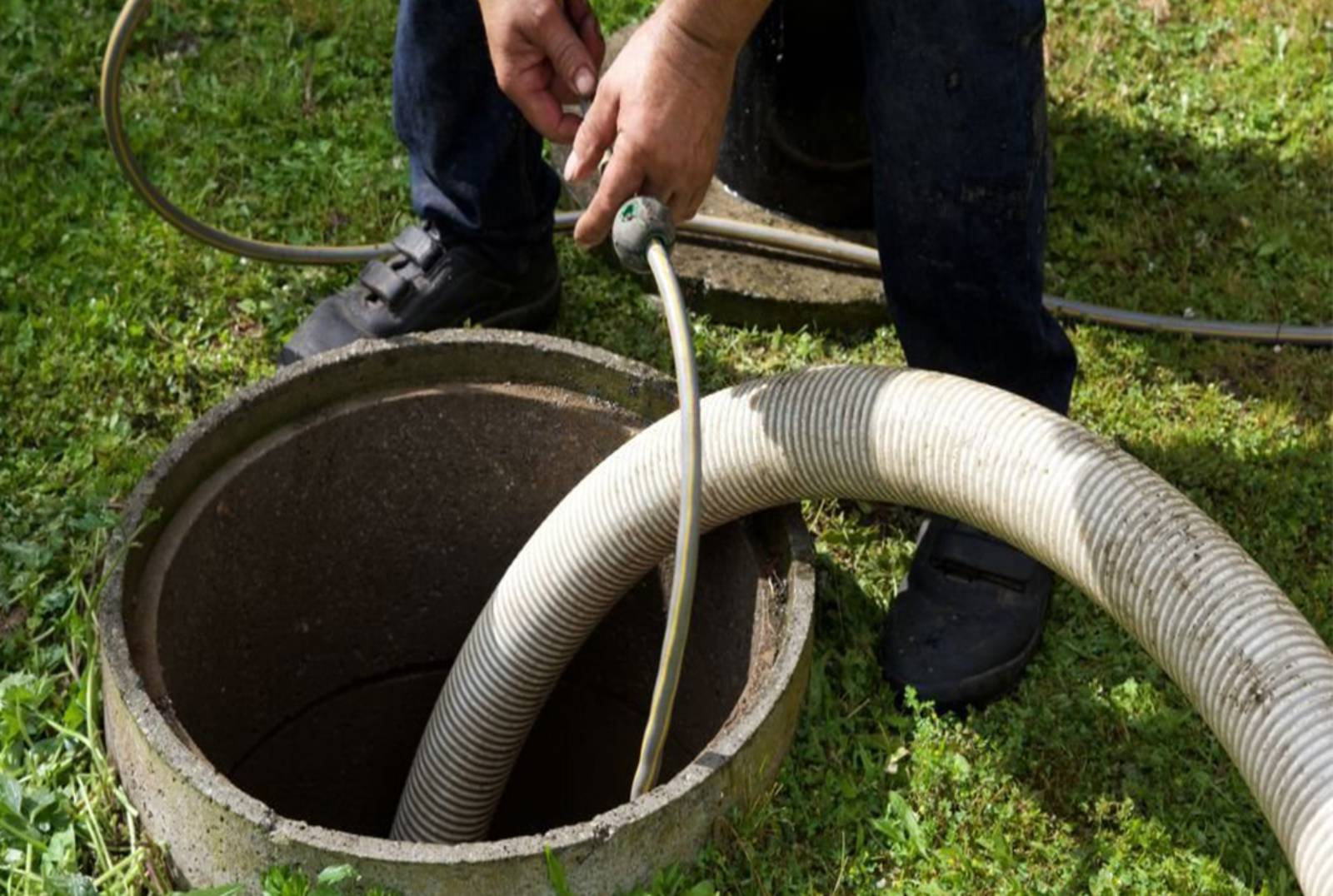
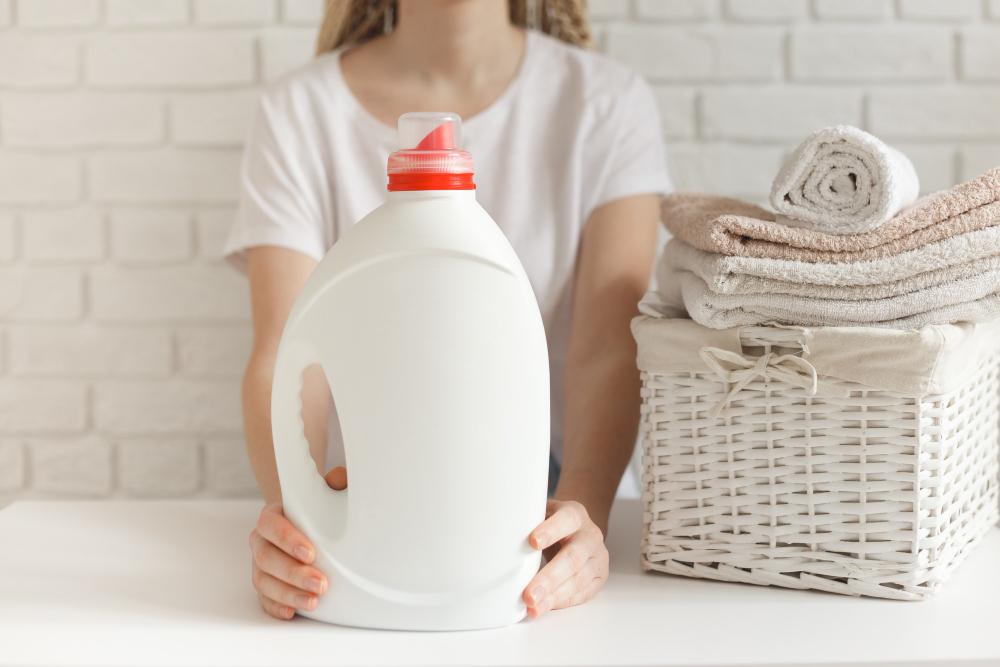
A lot of homeowners utilize fabric softeners to maintain the softness and freshness of their laundry. Nonetheless, if you have a septic system, you might question the safety of this popular laundry product. It's important to comprehend how fabric softener affects your septic system for its durability. Routine upkeep, such as septic tank pumping, septic tank cleaning, and inspections by a trustworthy septic company is crucial, however, refraining from using specific items like fabric softeners can help to avoid expensive problems.
Septic systems depend on a fragile balance of bacteria to decompose waste in the tank. This procedure guarantees that only liquid waste enters the drain field, with solids staying in the tank until they are eliminated during septic tank pumping. Any item that interrupts this bacteria activity has the potential to damage the system, potentially resulting in issues that may need septic tank repair.
Fabric softeners frequently contain chemicals that are not biodegradable and can build up in your tank. Over a period of time, this accumulation can diminish the effectiveness of the system and require septic tank pumping more often.
The substances and artificial scents in fabric softeners may cause damage to the helpful bacteria in the container. If these bacteria are absent, the breakdown of waste will be slower, leading to higher chances of blockages and an increased requirement for septic tank maintenance or repairs.
Remnants from fabric softeners can make their way into the drainage area, forming a waxy blockage that hinders the absorption of liquid waste. This might result in costly repairs or, in extreme situations, necessitate a new septic tank installation.
Regular maintenance is crucial even when using septic-safe products with care. Arrange septic tank pumping every three to five years, or more often for larger households. Regular septic tank maintenance can eliminate sludge buildup and avoid blockages, and routine inspections can detect potential issues early on for possible septic tank repair. If your septic system is aging or has been damaged, it is advisable to seek advice from professionals at Charlotte Septic Pros regarding a new septic tank installation for better performance and dependability.
Although septic tank cleaning helps, switching to septic-safe alternatives is the most effective way to safeguard your system. Seek advice from a professional septic company for peace of mind about your system's maintenance. Making educated decisions can help prolong the life of your septic system and prevent expensive repairs or installations.
04
Residential vs Commercial Septic Services: What’s the Difference? Septic systems may all serve the same basic purpose—collecting, treating, and dispersing…
Read more
29
How to Protect Your Septic System During Busy Household Seasons Busy household seasons can put extra pressure on your septic…
Read more
21
Why Harsh Chemicals Can Destroy Your Septic Tank Your septic system is one of the most important parts of your…
Read more
14
Why Homeowners Trust Professional Septic Services A healthy septic system is one of the most important parts of any home,…
Read more
06
Behind the Scenes: What a Septic Company Does on a Job Site Most homeowners know they need septic help when…
Read more
29
Quick Septic Tank Tips You Can Do in 5 Minutes Keeping your septic system in good condition doesn’t always require…
Read more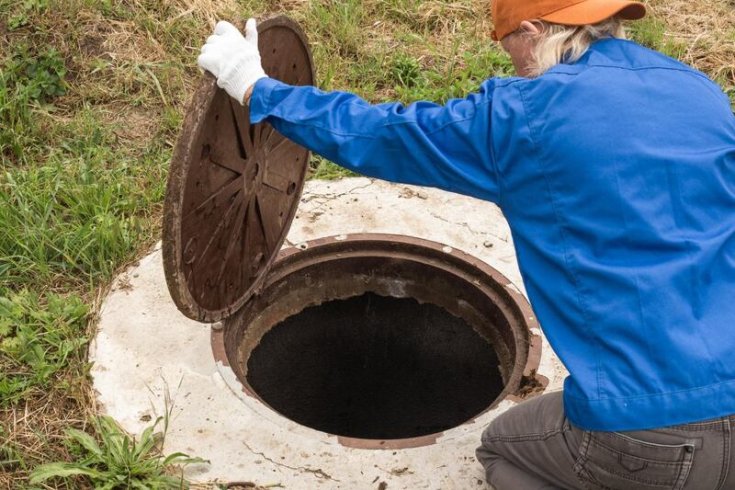
22
Can Heavy Rain Affect Your Septic System? Here’s the Truth When heavy rain hits your area, most homeowners think about…
Read more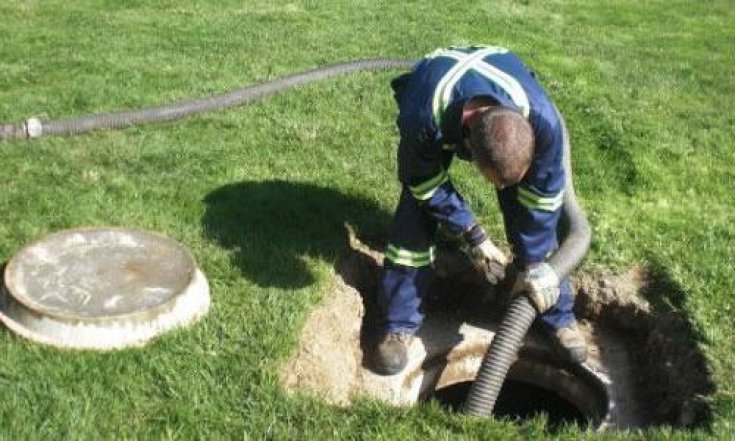
20
How to Extend the Life of Your Septic System Without Stress A well-maintained septic system is one of the most…
Read more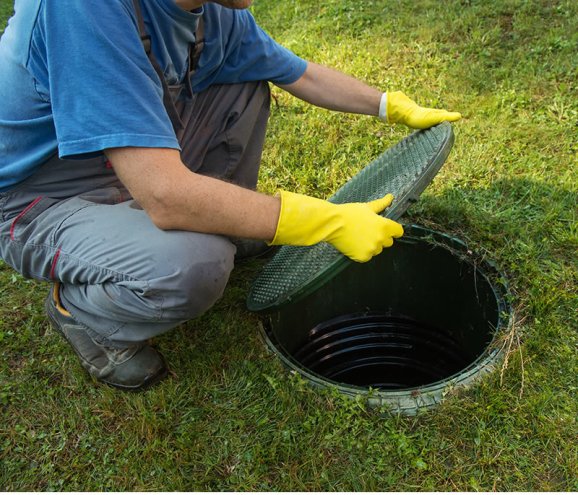
12
What I Wish I Knew Before Buying a Home with a Septic System Buying a home is an exciting milestone,…
Read more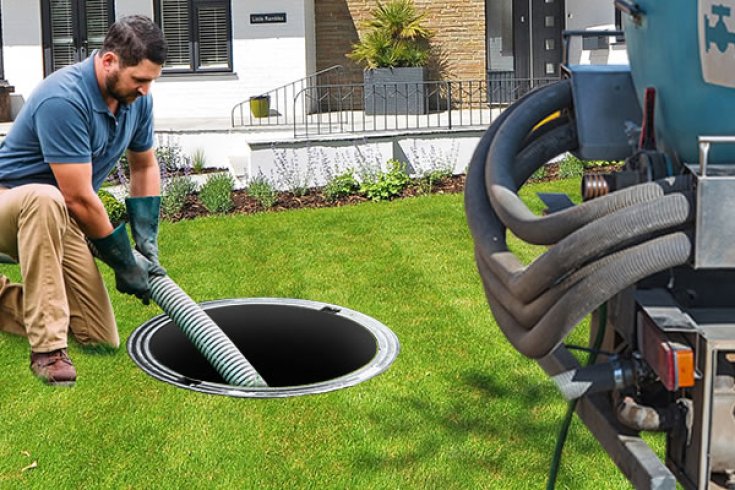
05
Emergency Septic Pumping: When You Should Call a Professional Septic systems are designed to handle household waste efficiently, but when…
Read more