

Call Today to Get
$50 OFF Septic Repair
Call Today to Get
$50 OFF Septic Repair
08
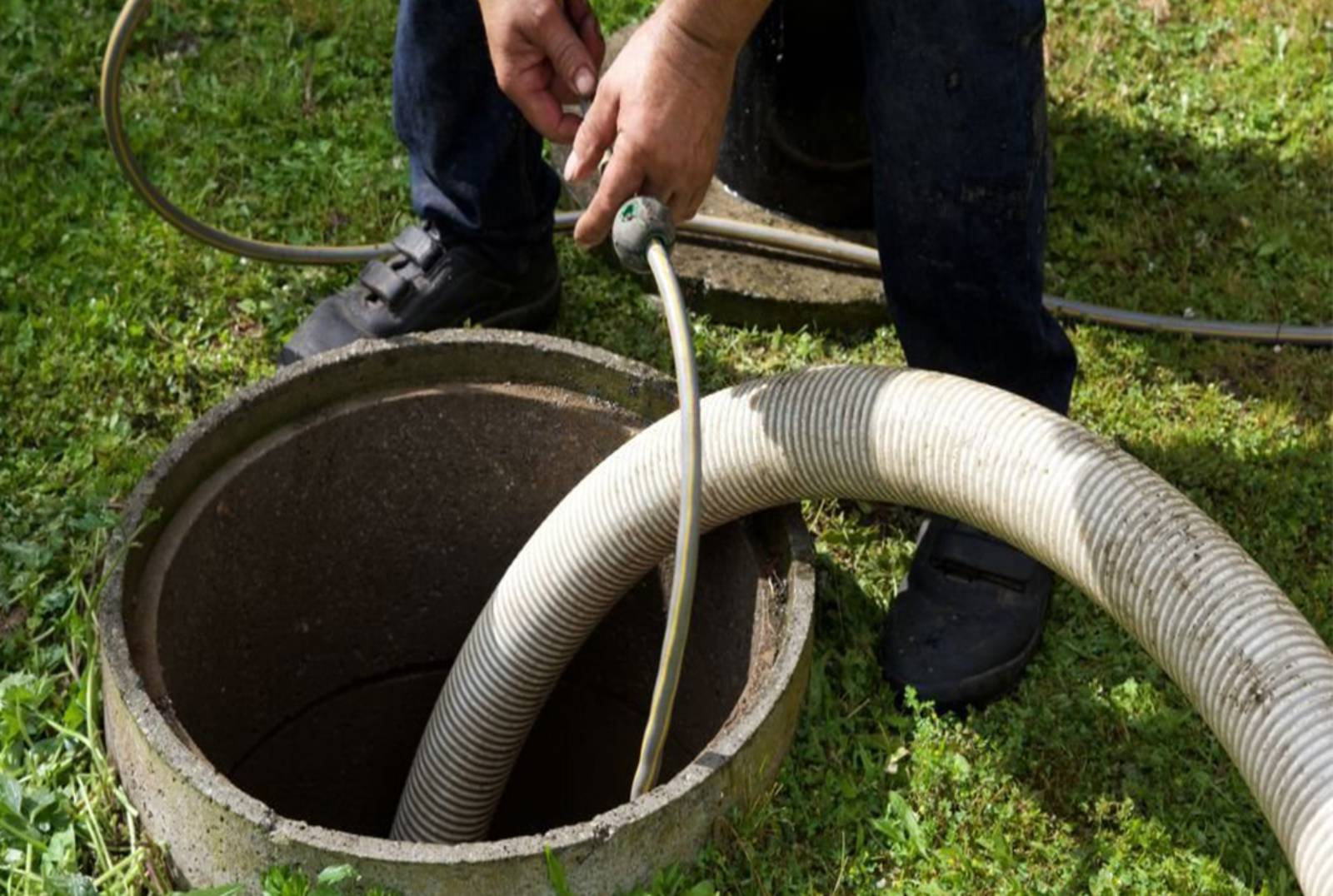
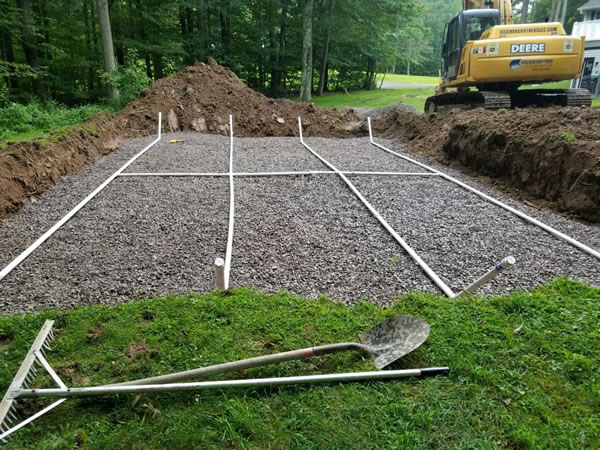
A drain field, referred to as a leach field, is a crucial component of a septic system. With time, it may get blocked or malfunction because of overuse, inadequate upkeep, or normal deterioration. When this occurs, rehabilitation is essential to recover its functionality. Here are several typical methods employed to restore a drain field, making certain your septic system functions effectively.
Before exploring rehabilitation techniques, it’s essential to recognize the function of the drain field. It releases wastewater from the septic tank into the ground, where natural processes can filter and purify it. If the drain field malfunctions, problems like stagnant water, unpleasant smells, and system backups may arise, requiring services like septic tank pumping, septic tank repair, or potentially a full replacement.
Avoiding drain field failure begins with the correct upkeep of your septic system. Regular septic tank cleaning can stop solids from entering the drain field and creating blockages. Collaborating with Charlotte Septic Pros guarantees that your system receives routine inspections and that small problems are resolved before they worsen.
Rehabilitating the drain field is crucial for ensuring a healthy septic system. Regardless of whether it entails jetting, aerating soil, or a total rebuild, tackling drain field issues quickly can ultimately conserve your time and finances in the future. If you think there might be a problem with your drain field, seek advice from a trustworthy septic company like Charlotte Septic Pros to find the best solution. By performing regular maintenance, such as septic tank pumping and cleaning, you can prolong the lifespan of your system and prevent expensive repairs.
21
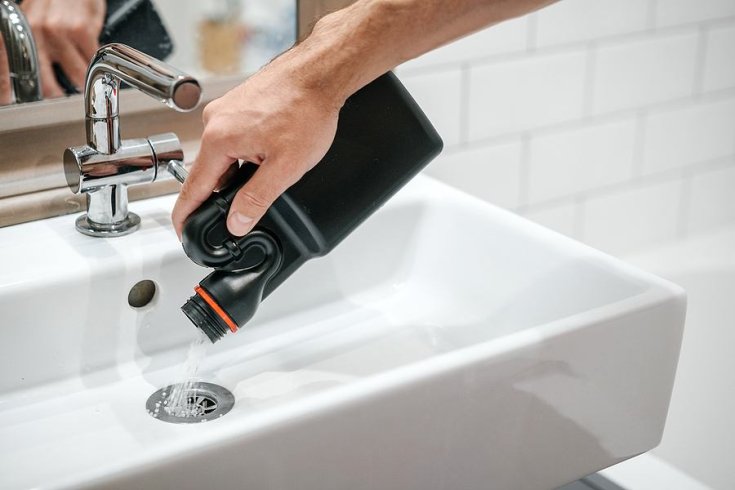
Why Harsh Chemicals Can Destroy Your Septic Tank Your septic system is one of the most important parts of your…
Read more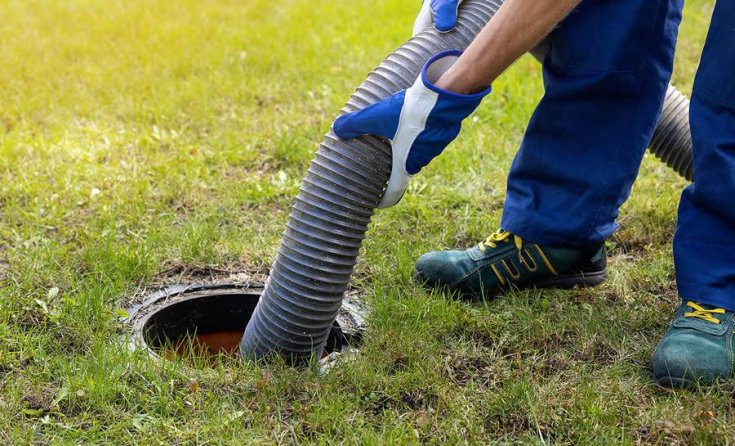
14
Why Homeowners Trust Professional Septic Services A healthy septic system is one of the most important parts of any home,…
Read more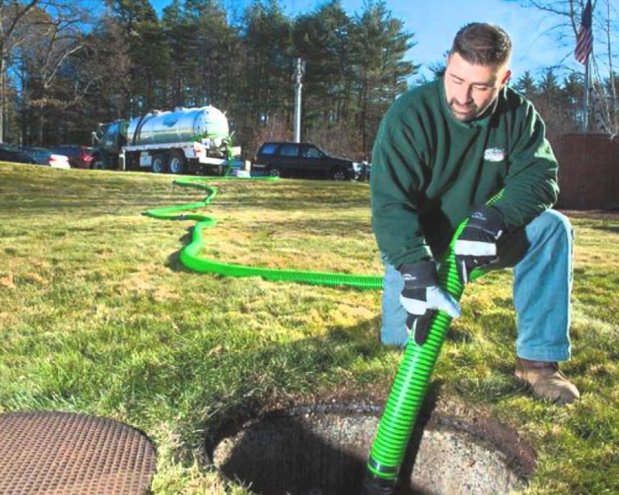
06
Behind the Scenes: What a Septic Company Does on a Job Site Most homeowners know they need septic help when…
Read more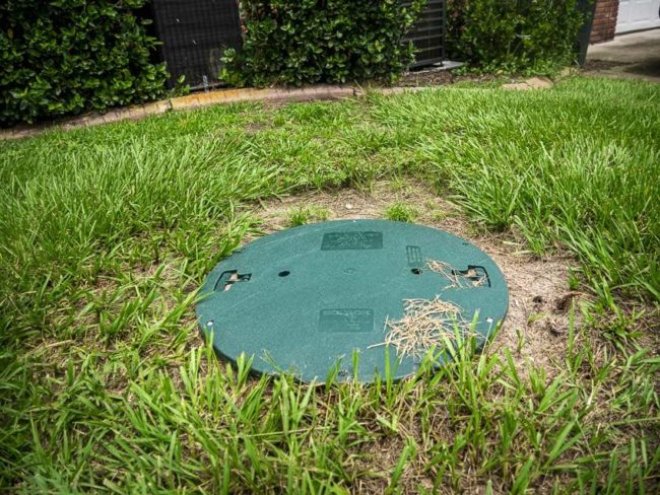
29
Quick Septic Tank Tips You Can Do in 5 Minutes Keeping your septic system in good condition doesn’t always require…
Read more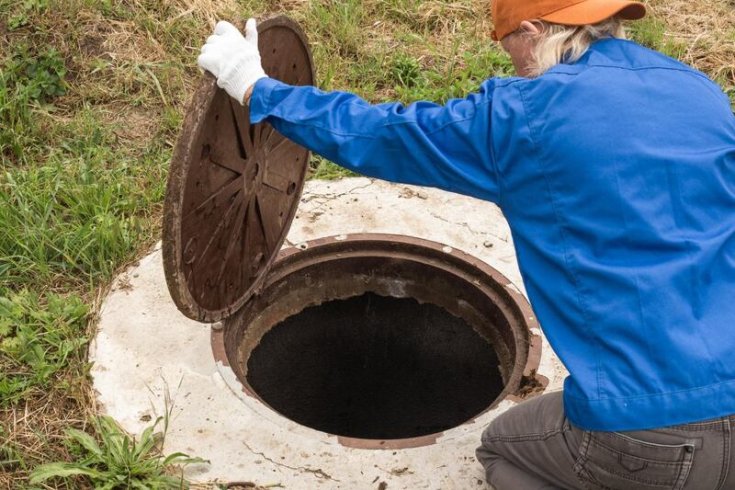
22
Can Heavy Rain Affect Your Septic System? Here’s the Truth When heavy rain hits your area, most homeowners think about…
Read more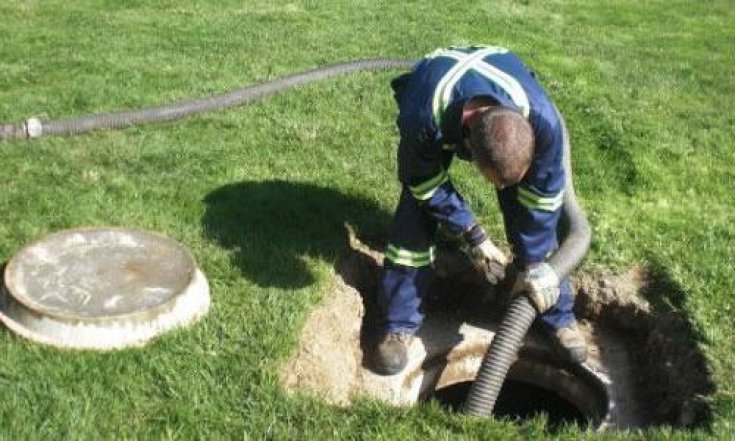
20
How to Extend the Life of Your Septic System Without Stress A well-maintained septic system is one of the most…
Read more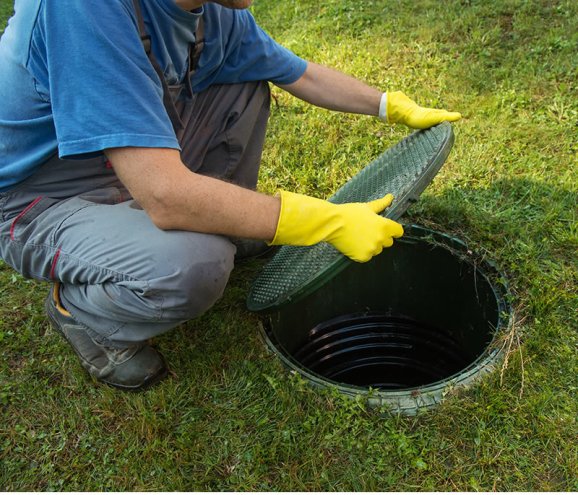
12
What I Wish I Knew Before Buying a Home with a Septic System Buying a home is an exciting milestone,…
Read more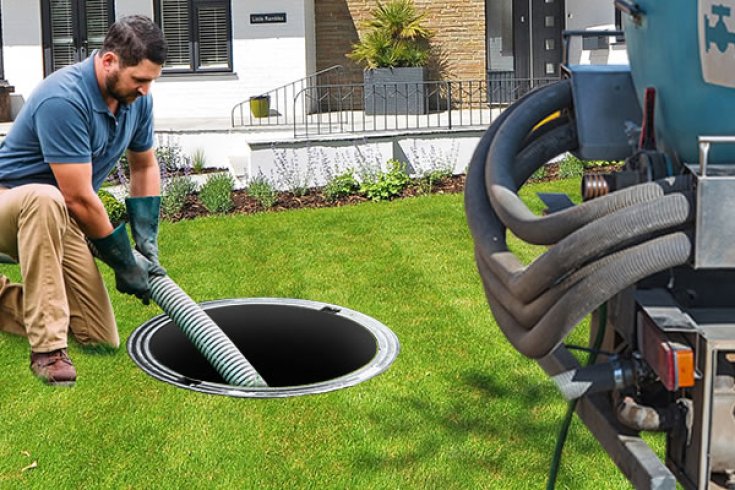
05
Emergency Septic Pumping: When You Should Call a Professional Septic systems are designed to handle household waste efficiently, but when…
Read more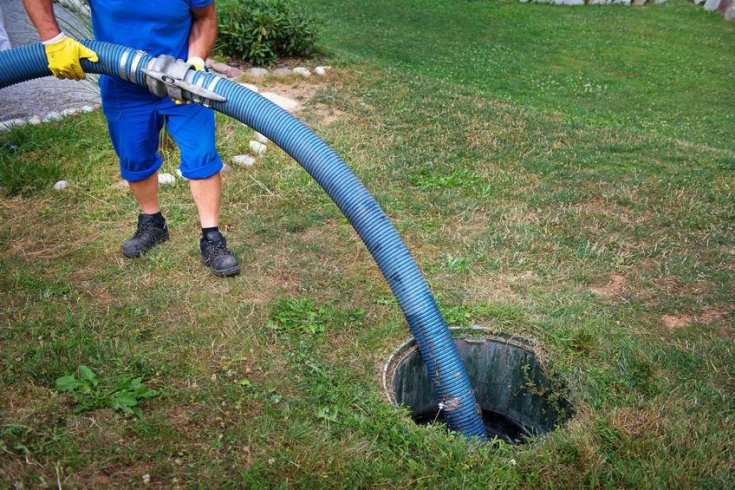
27
Why Is There Standing Water Near My Septic Tank? If you’ve noticed standing water near your septic tank, it’s a…
Read more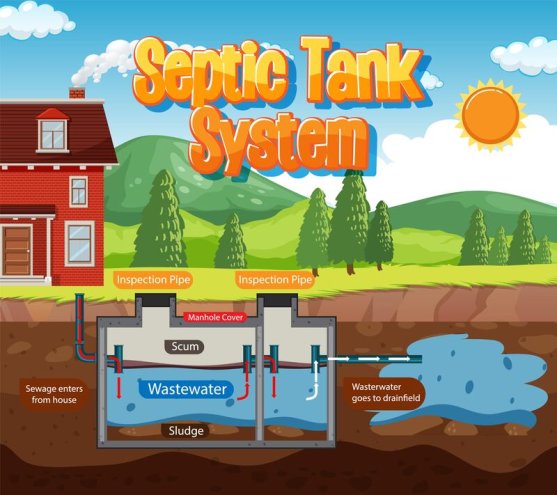
19
From Flush to Breakdown: The Journey Inside a Septic Tank When you flush your toilet or send water down your…
Read more