
Call Today to Get
$50 OFF Septic Repair
Call Today to Get
$50 OFF Septic Repair
24
Heavy rain is a fact of life during storm season, but did you know that it can directly impact the way your septic system functions? Excessive rainfall can put extra strain on your septic tank and drain field, sometimes leading to backups, slow drains, or even costly damage if not addressed properly. Understanding how rain affects your system and knowing when to call for professional septic tank pumping or septic tank cleaning can help you avoid messy and expensive problems.
Your septic system works by allowing wastewater to separate and flow into the drain field, where the soil filters it naturally. During periods of heavy rain, however, the ground around your drain field can become oversaturated. When the soil can no longer absorb water efficiently, your septic system struggles to release wastewater. This can lead to:
Regular septic tank pumping is always an important part of system maintenance, but it becomes especially critical during rainy months. When the ground is saturated, your tank doesn’t get the relief it normally would from an efficiently working drain field. That means solids and wastewater can build up faster inside the tank.
By scheduling septic pumping before or during storm season, you reduce the risk of overflow and keep your system working smoothly. This proactive step also prevents damage that could lead to costly repairs down the road.
After a strong storm or several days of rain, it’s important to keep an eye on your system. Here are signs that it may be time to call Charlotte Septic Pros for septic tank cleaning or pumping:
If you notice any of these symptoms, don’t wait. Addressing septic issues early can save you time, money, and stress.
The good news is that with the right maintenance, you can protect your septic system even during the wettest months of the year. Here are a few tips.
When storms roll in, the last thing you want to worry about is your septic system failing. At Charlotte Septic Pros, we specialize in septic tank pumping, cleaning, and septic pumping services designed to keep your system running efficiently year-round. Our team is equipped with the experience and tools needed to handle everything from routine maintenance to emergency situations.
Don’t let heavy rain catch you off guard. If you suspect your septic system is struggling or it’s been a while since your last pumping, call Charlotte Septic Pros today to schedule service.
21
Why Harsh Chemicals Can Destroy Your Septic Tank Your septic system is one of the most important parts of your…
Read more
14
Why Homeowners Trust Professional Septic Services A healthy septic system is one of the most important parts of any home,…
Read more
06
Behind the Scenes: What a Septic Company Does on a Job Site Most homeowners know they need septic help when…
Read more
29
Quick Septic Tank Tips You Can Do in 5 Minutes Keeping your septic system in good condition doesn’t always require…
Read more
22
Can Heavy Rain Affect Your Septic System? Here’s the Truth When heavy rain hits your area, most homeowners think about…
Read more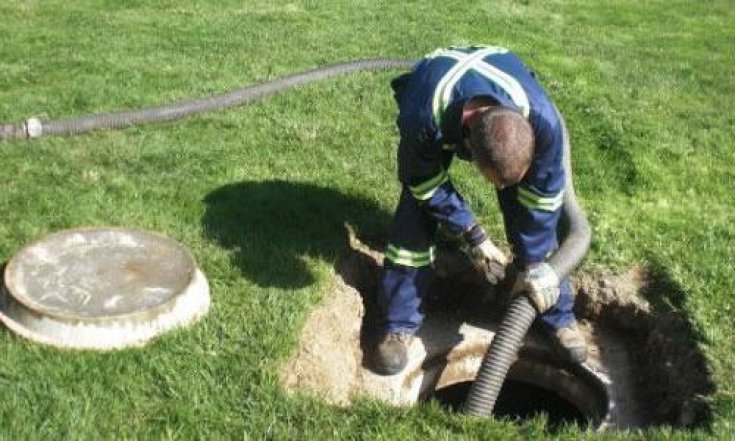
20
How to Extend the Life of Your Septic System Without Stress A well-maintained septic system is one of the most…
Read more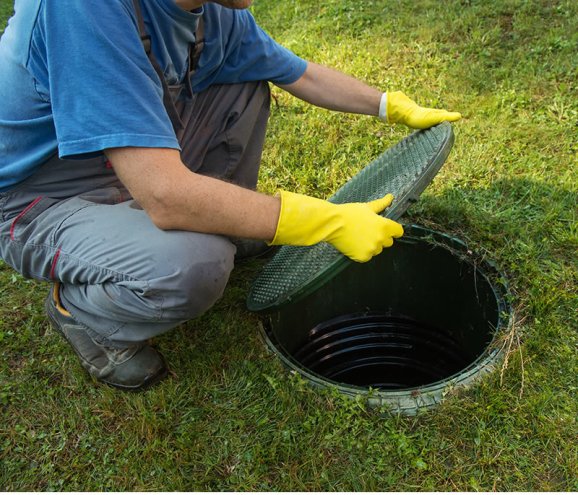
12
What I Wish I Knew Before Buying a Home with a Septic System Buying a home is an exciting milestone,…
Read more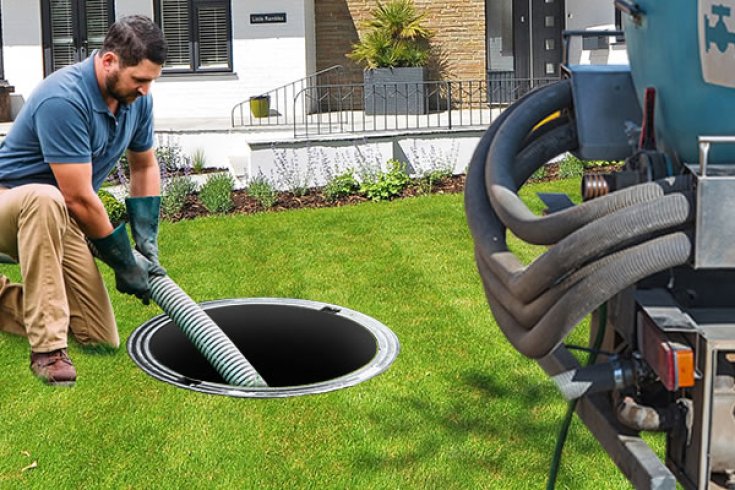
05
Emergency Septic Pumping: When You Should Call a Professional Septic systems are designed to handle household waste efficiently, but when…
Read more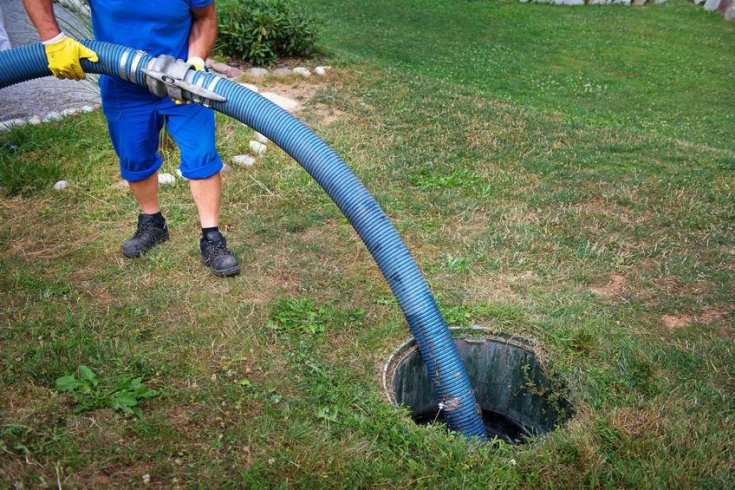
27
Why Is There Standing Water Near My Septic Tank? If you’ve noticed standing water near your septic tank, it’s a…
Read more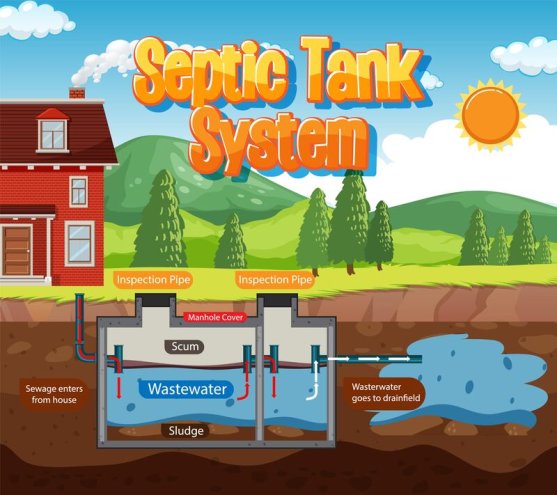
19
From Flush to Breakdown: The Journey Inside a Septic Tank When you flush your toilet or send water down your…
Read more