Signs and Solutions for a Failing Drain Field

secondary
Apr

09

Your septic system plays a critical role in managing household wastewater, and one of its most essential components is the drain field. Also known as a leach field, this underground area disperses treated wastewater back into the soil. When the drain field begins to fail, it can lead to unpleasant odors, slow drains, or even wastewater surfacing in your yard. Understanding the signs of a failing drain field—and knowing the appropriate solutions—is key to keeping your septic system working efficiently. 

What Causes Drain Field Failure?

Before diving into the signs of failure, it’s important to understand why drain fields fail. 

  • Lack of Routine Maintenance: Skipping regular septic tank pumping in Belmont can cause solids to overflow into the drain field, clogging the soil and reducing its ability to absorb water.
  • Overuse of Water: Using too much water at once can flood the system, giving the drain field little time to properly filter and absorb waste.
  • Tree Root Infiltration: Roots can grow into the drain lines, causing blockages and pipe damage.
  • Improper Septic Tank Installation: If the septic tank or drain field wasn’t installed correctly, the system might never have functioned efficiently to begin with.
  • Aging System: Like all components of your home, drain fields have a lifespan. Older systems may simply wear out over time.

Signs of a Failing Drain Field

Recognizing the early symptoms of a failing drain field can help you avoid severe damage and expensive repairs.

  • Slow Drains and Toilets: If your sinks, showers, or toilets are draining slowly despite no clogs in the plumbing, the problem could be in the drain field. This is often one of the first signs something is wrong.
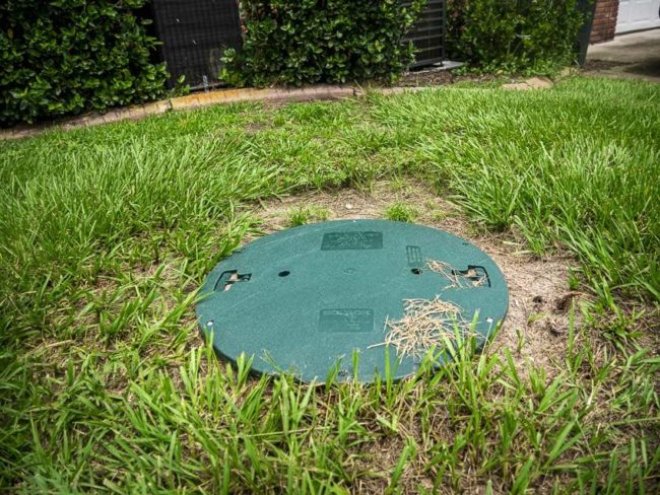
  • Standing Water or Wet Spots: If you notice soggy patches or standing water in your yard—especially near the drain field—this may indicate that wastewater is surfacing due to a saturated or blocked drain field.
  • Foul Odors: A healthy septic system should be odor-free. If you detect strong sewage smells around your yard or drains, the system may not be filtering waste correctly.
  • Lush, Green Grass Over the Drain Field: While this may seem like a good sign, it can actually indicate that wastewater is leaking from the system and fertilizing the grass above it.
  • Sewage Backups: One of the most severe signs of a failing drain field is sewage backing up into your home. This requires immediate professional attention.

Solutions to Drain Field Problems

The best solution depends on the severity of the issue. Here are some common approaches.

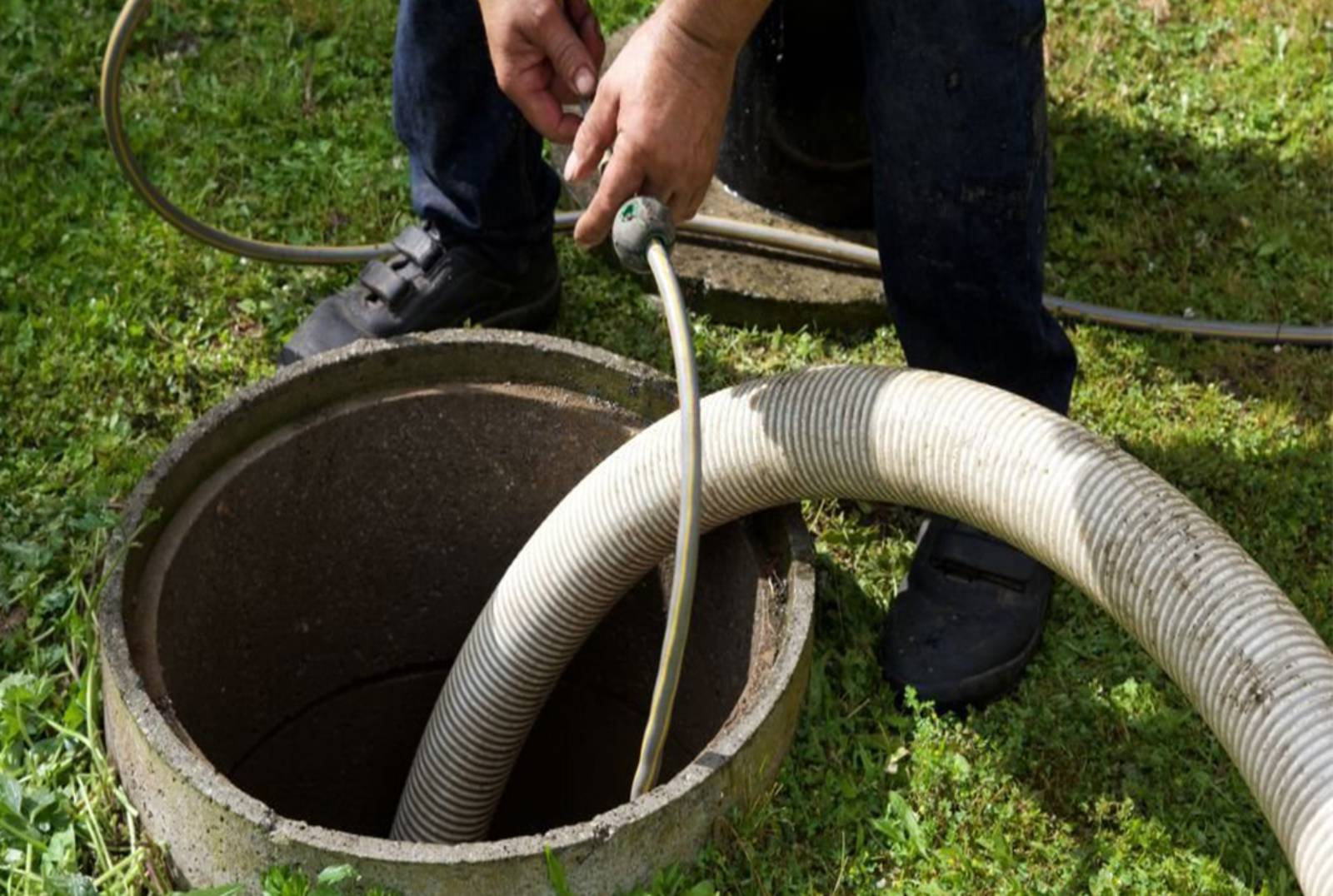
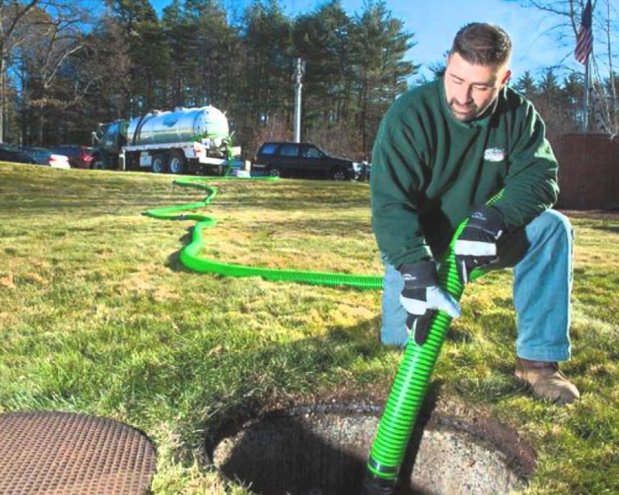
  • Regular Septic Tank Pumping: Routine septic tank pumping every 3–5 years removes solids that can clog the drain field. This is one of the simplest and most effective ways to maintain a healthy system.
  • Septic Tank Cleaning: In cases where buildup has started to impact the system, septic tank cleaning can remove stubborn grease, sludge, and debris to restore flow and efficiency.
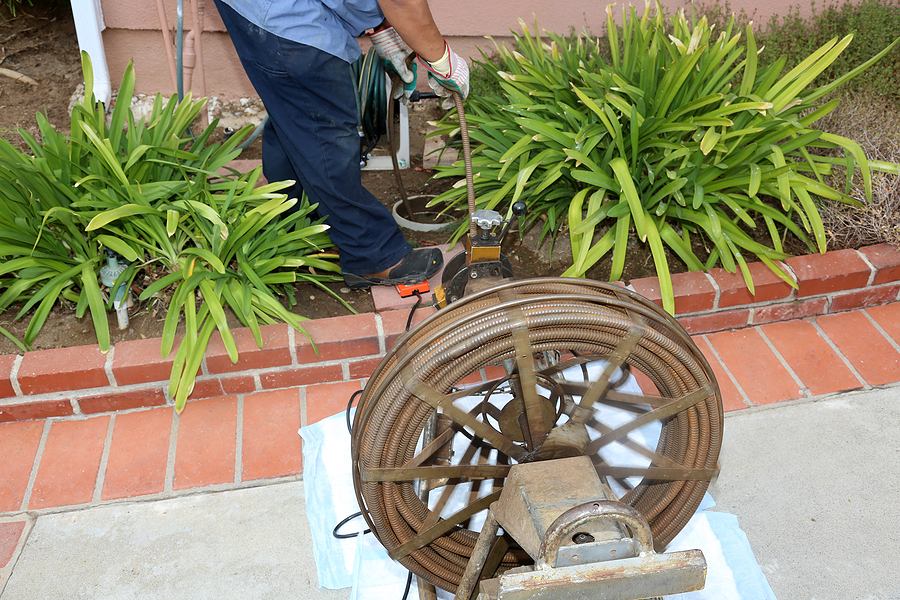
  • Drain Field Restoration: If the drain field is clogged but not entirely failed, restoration techniques like jetting or aeration may help rejuvenate the soil and improve absorption.
  • Full Septic Tank Installation and Replacement: In severe cases where the drain field or tank is beyond repair, a full septic tank installation may be required. A professional will assess the site, remove the old system, and install a new, code-compliant setup.

Preventing Drain Field Failure

Preventive maintenance is the key to a long-lasting septic system. Stick to a regular schedule for septic tank pumping, avoid flushing non-biodegradable items, reduce water usage, and keep heavy vehicles off the drain field area. If you notice any warning signs, contact a professional at Charlotte Septic Pros immediately.

A failing drain field is more than just an inconvenience—it’s a serious problem that can affect your property, health, and wallet. By keeping up with proper maintenance, you can protect your home from costly septic issues and extend the life of your entire system.

Other Latest News & Articles
blog1
FEB

05

Are Slow Drains a Septic Issue or Just a Clog?

Are Slow Drains a Septic Issue or Just a Clog? Slow drains are one of those household problems that start…

Read more
blog1
FEB

02

What Septic Service Techs See That Homeowners Miss

What Septic Service Techs See That Homeowners Miss Most homeowners only think about their septic system when something goes wrong.…

Read more
blog1
JAN

21

Simple Habits That Protect Your Septic System

Simple Habits That Protect Your Septic System A well-functioning septic system does its job quietly, but the moment something goes…

Read more
blog1
JAN

14

Pump Now or Pay Later: The Real Cost of Skipping Maintenance

Pump Now or Pay Later: The Real Cost of Skipping Maintenance A properly functioning septic system is easy to forget…

Read more
blog1
JAN

11

Why Your Septic System Always Acts Up at the Worst Time

Why Your Septic System Always Acts Up at the Worst Time Homeowners often feel that septic problems strike at the…

Read more
blog1
JAN

04

Early Warning Signs Your Septic Tank Needs Pumping

Early Warning Signs Your Septic Tank Needs Pumping For homeowners who rely on a septic system, routine maintenance is not…

Read more
blog1
DEC

29

Why Does My Septic System Smell Fine One Day and Terrible the Next?

Why Does My Septic System Smell Fine One Day and Terrible the Next? If you own a home with a…

Read more
blog1
DEC

19

Is Your Septic System Overdue? Simple Home Checks You Can Do Today

Is Your Septic System Overdue? Simple Home Checks You Can Do Today For many homeowners, the septic system is a…

Read more
blog1
DEC

13

5 Signs Your Septic Tank Is Overdue for Pumping

5 Signs Your Septic Tank Is Overdue for Pumping Your septic system works quietly behind the scenes, managing wastewater from…

Read more
blog1
DEC

07

Do Septic Additives Really Work?

Do Septic Additives Really Work? Septic additives are everywhere. You’ll see them at hardware stores, advertised online, and often recommended…

Read more