

Call Today to Get
$50 OFF Septic Repair
Call Today to Get
$50 OFF Septic Repair
02
Your septic tank is one of the most important systems in your home—but it’s also one of the most overlooked. Without proper care, it can lead to unpleasant odors, slow drains, costly repairs, and even dangerous backups. Fortunately, keeping your septic tank running smoothly doesn’t require a ton of effort. With a few regular maintenance habits, you can extend the life of your system and avoid unexpected issues. Here’s how to stay on top of your septic system health with routine septic tank pumping, cleaning, and mindful usage.
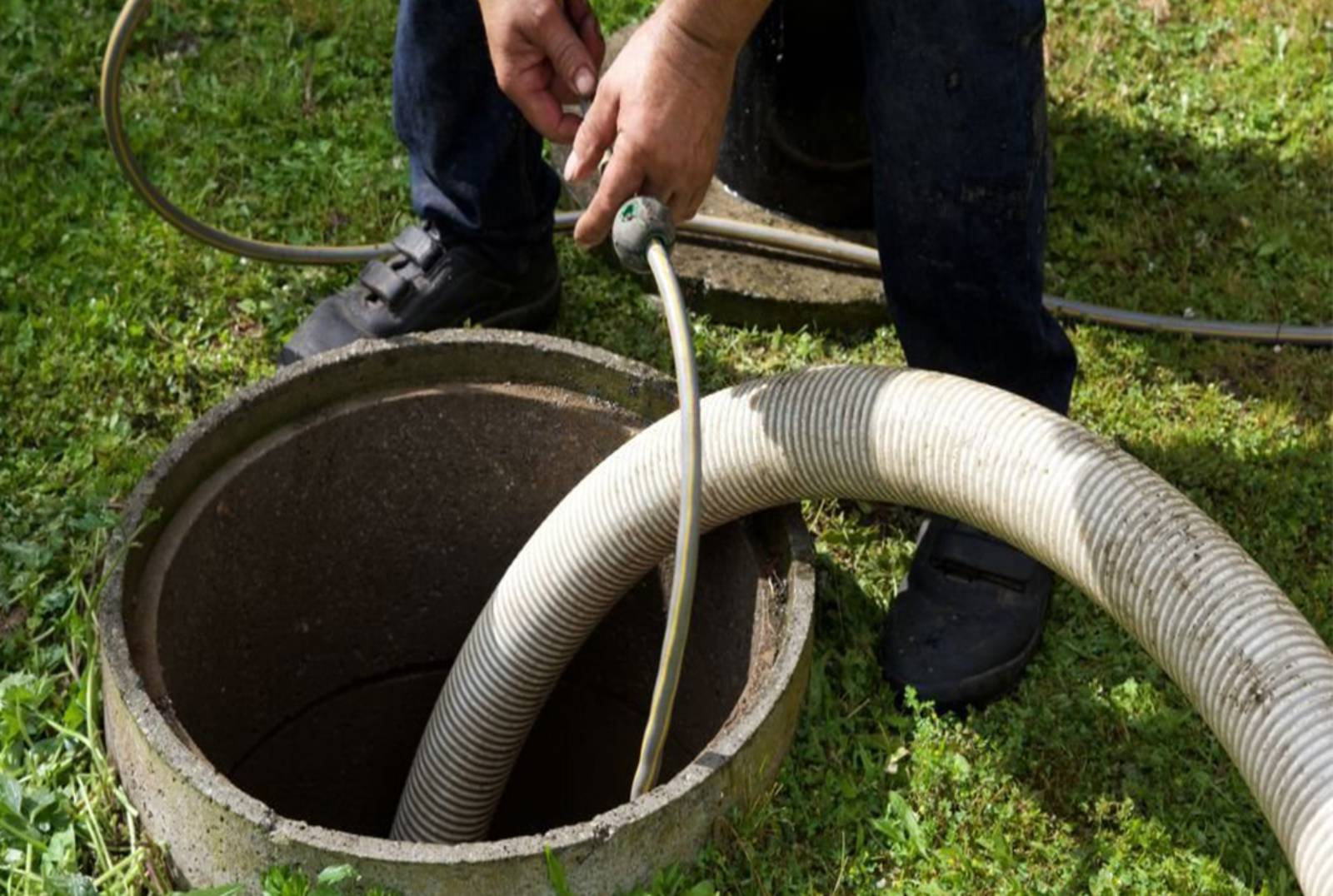
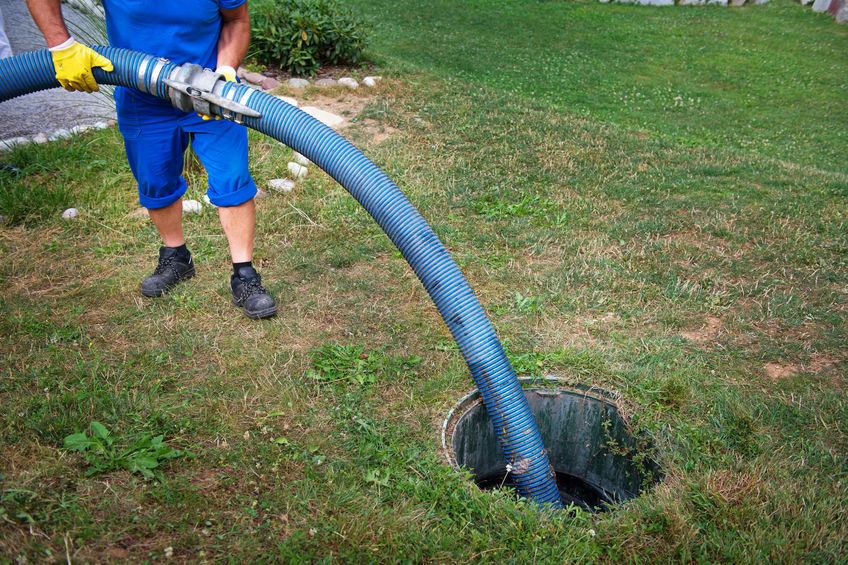
One of the most important ways to keep your septic system healthy is regular septic tank pumping. Over time, solid waste builds up in the tank and needs to be removed. If not pumped out regularly, those solids can overflow into your drain field, causing clogs, backups, or even full system failure. How often should you schedule septic tank pumping? That depends on your household size and water usage, but a good rule of thumb is every 3 to 5 years. Larger families or homes with high water usage may need more frequent pumping. Hiring a professional from Charlotte Septic Pros to handle your septic tank pumping ensures that the job is done correctly and that your system is inspected for signs of trouble at the same time.
While pumping removes solid waste from the tank, septic tank cleaning goes a step further. Cleaning helps eliminate sludge buildup and leftover scum that might not be removed during a standard pump-out. If ignored for too long, this buildup can reduce the tank’s capacity and affect how well the system works. Think of cleaning as a deeper version of pumping—it’s not needed as often, but it’s crucial when it is. A professional septic company can assess whether your tank needs cleaning and take care of the process without damaging your system.
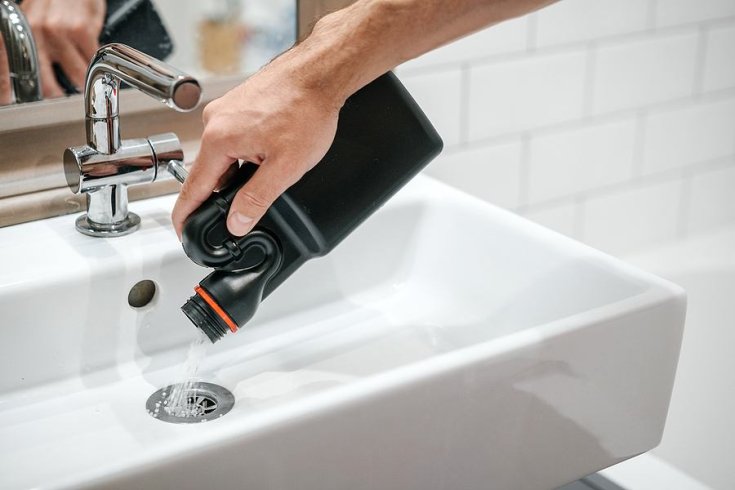
Your septic system relies on natural bacterial processes to break down waste. Flushing the wrong materials can disrupt that balance and lead to clogs or system damage. Avoid flushing or draining the following into your system:
Stick to septic-safe toilet paper and consider installing drain filters to catch food or debris before it enters your plumbing.
Overloading your septic system with too much water at once can reduce its efficiency and increase the risk of problems. Try to spread out laundry loads during the week rather than doing them all in one day. Also, consider installing low-flow toilets and water-efficient fixtures to reduce the strain on your system.
Understanding where your septic tank and drain field are located can help you avoid accidental damage. Never park or drive heavy equipment over your septic area, and avoid planting trees or shrubs with deep roots nearby—they can invade your pipes and tank, causing expensive damage.
If you’re building a new home or replacing an outdated system, professional septic tank installation is a must. An experienced installer will ensure that your tank is sized correctly, installed at the proper depth, and set up in accordance with local codes and soil conditions. The same goes for maintenance. Regular inspections and service from a septic professional can catch small problems before they become big ones. They can also provide guidance on how to best care for your specific system.
A well-maintained septic system can last for decades, but it takes a little attention and care. With regular septic tank pumping, occasional septic tank cleaning, and smart daily habits, you can avoid costly repairs. Whether you’re due for a checkup or thinking about new septic tank installation, working with a trusted professional from Charlotte Septic Pros is the key to keeping your system running smoothly year after year.
21
Why Harsh Chemicals Can Destroy Your Septic Tank Your septic system is one of the most important parts of your…
Read more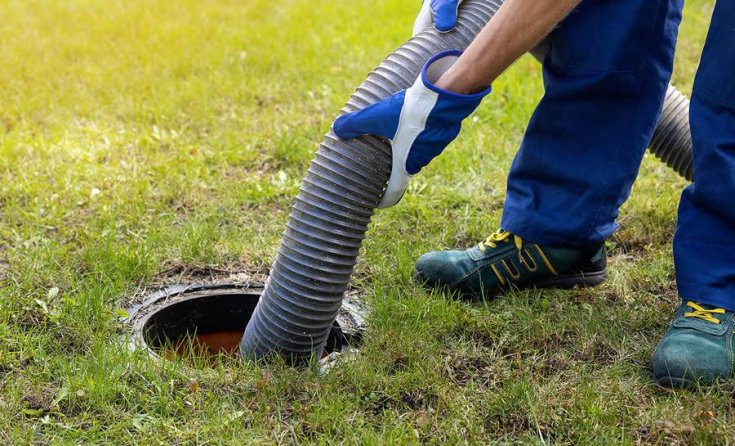
14
Why Homeowners Trust Professional Septic Services A healthy septic system is one of the most important parts of any home,…
Read more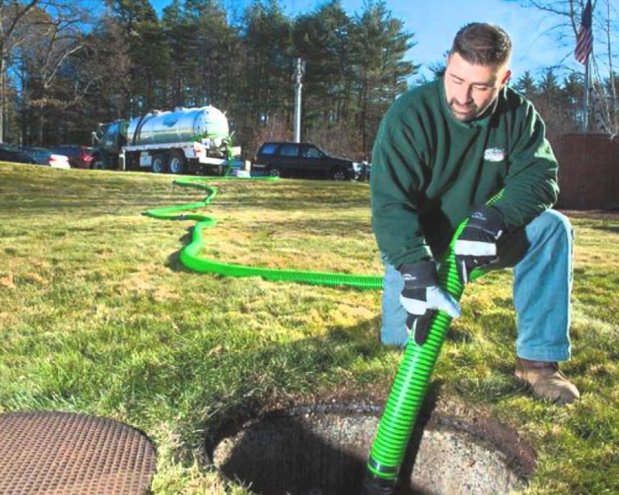
06
Behind the Scenes: What a Septic Company Does on a Job Site Most homeowners know they need septic help when…
Read more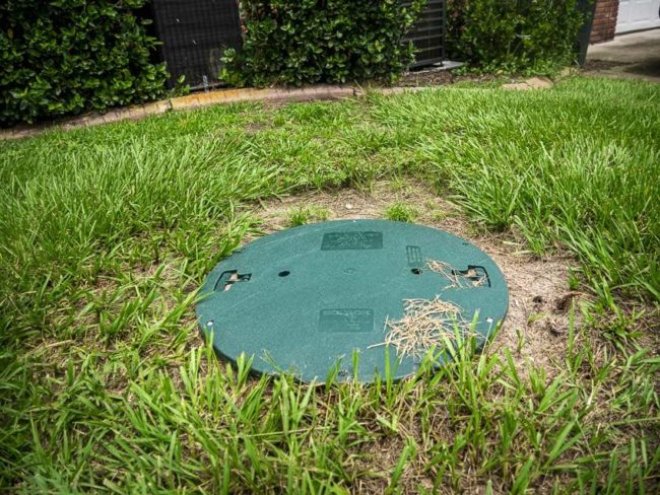
29
Quick Septic Tank Tips You Can Do in 5 Minutes Keeping your septic system in good condition doesn’t always require…
Read more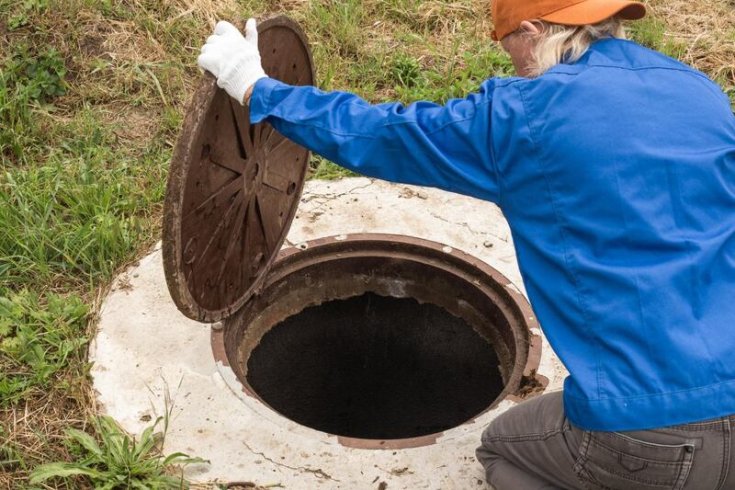
22
Can Heavy Rain Affect Your Septic System? Here’s the Truth When heavy rain hits your area, most homeowners think about…
Read more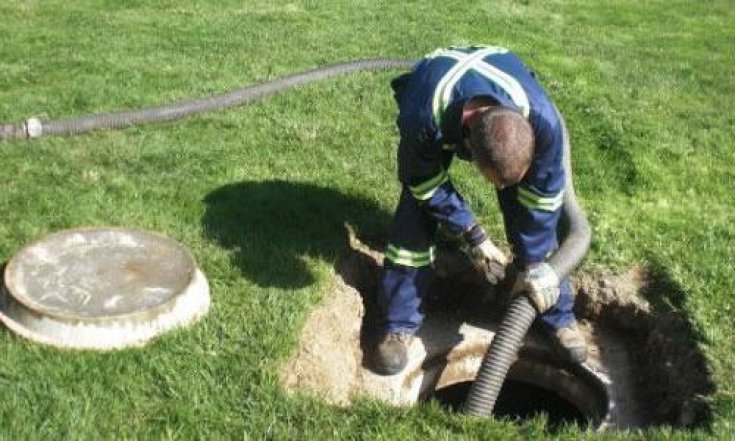
20
How to Extend the Life of Your Septic System Without Stress A well-maintained septic system is one of the most…
Read more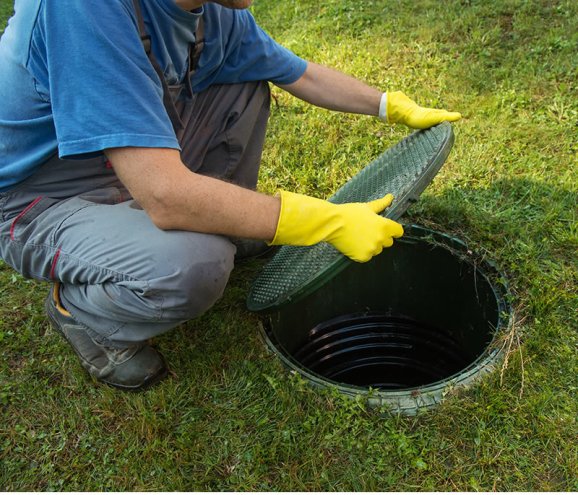
12
What I Wish I Knew Before Buying a Home with a Septic System Buying a home is an exciting milestone,…
Read more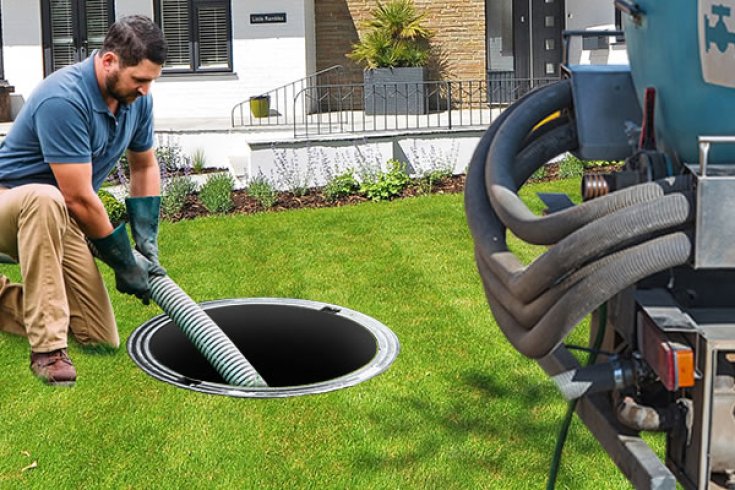
05
Emergency Septic Pumping: When You Should Call a Professional Septic systems are designed to handle household waste efficiently, but when…
Read more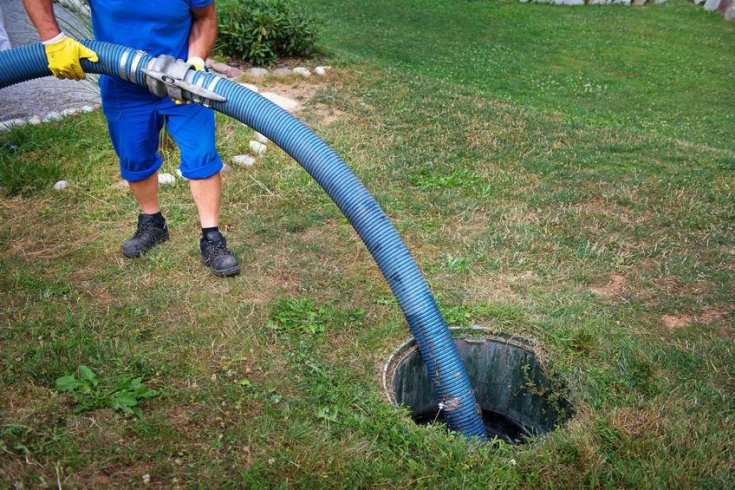
27
Why Is There Standing Water Near My Septic Tank? If you’ve noticed standing water near your septic tank, it’s a…
Read more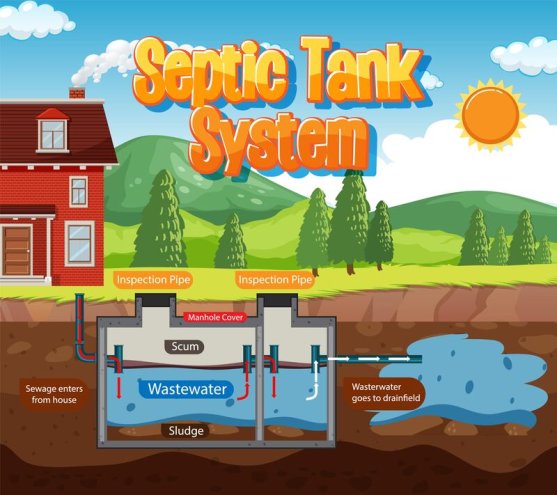
19
From Flush to Breakdown: The Journey Inside a Septic Tank When you flush your toilet or send water down your…
Read more