
Call Today to Get
$50 OFF Septic Repair
Call Today to Get
$50 OFF Septic Repair
21
When planning a new septic system, one of the most critical decisions a homeowner can make is hiring the right septic contractor. From site evaluation and system design to final installation and long-term maintenance, a qualified contractor plays an essential role in ensuring the project goes smoothly. Septic systems are more than just underground tanks; they are complex wastewater management systems that require expert attention. Whether you're building a new home or replacing an outdated system, professional guidance is key to long-term performance and compliance with local regulations.
Before a shovel hits the ground, a septic contractor begins with a thorough evaluation of your property. This includes soil testing (known as a percolation or “perc” test), determining groundwater levels, and identifying the best location for the tank and drain field. The contractor must also consider setbacks from wells, buildings, and property lines.
These early steps are crucial because the design and placement of the septic system directly affect how well it functions. A licensed contractor will ensure the system design complies with local health and environmental regulations—helping you avoid costly delays or fines later.
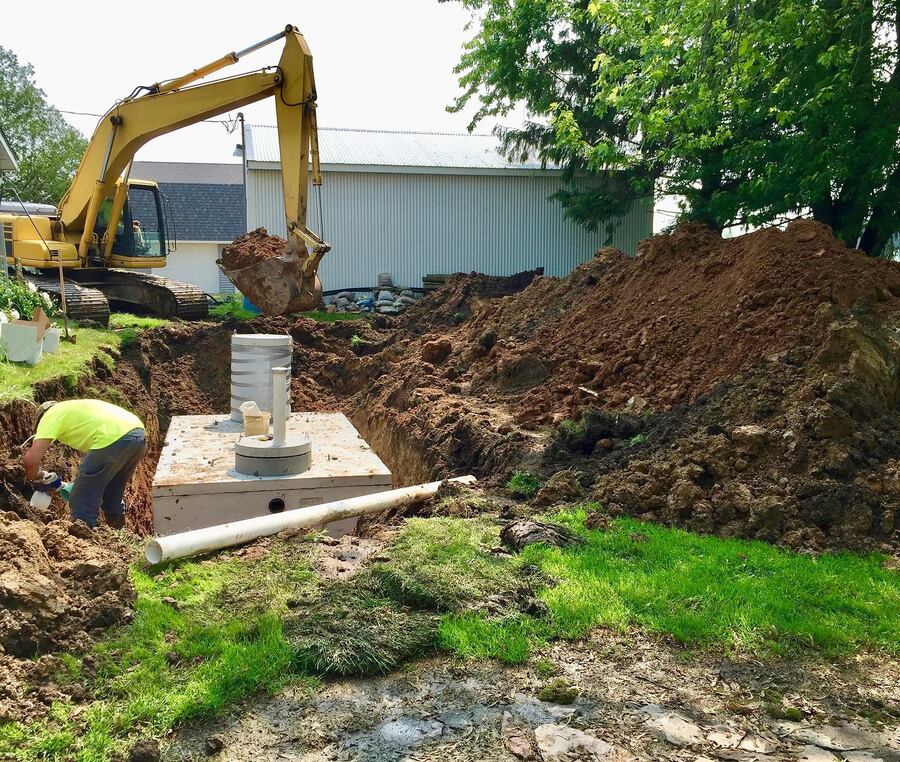
Once permits are secured and the plan is approved, the septic tank installation begins. The contractor will excavate the area and install the septic tank, pipes, and drain field according to the approved design. Precision is important—tanks must be level, pipe slopes must allow for proper flow, and all components need to be connected securely to prevent leaks or backups.
Because this process involves heavy machinery and specialized knowledge, it’s not a DIY job. Hiring an experienced septic contractor from Charlotte Septic Pros ensures your system is installed safely, correctly, and efficiently.
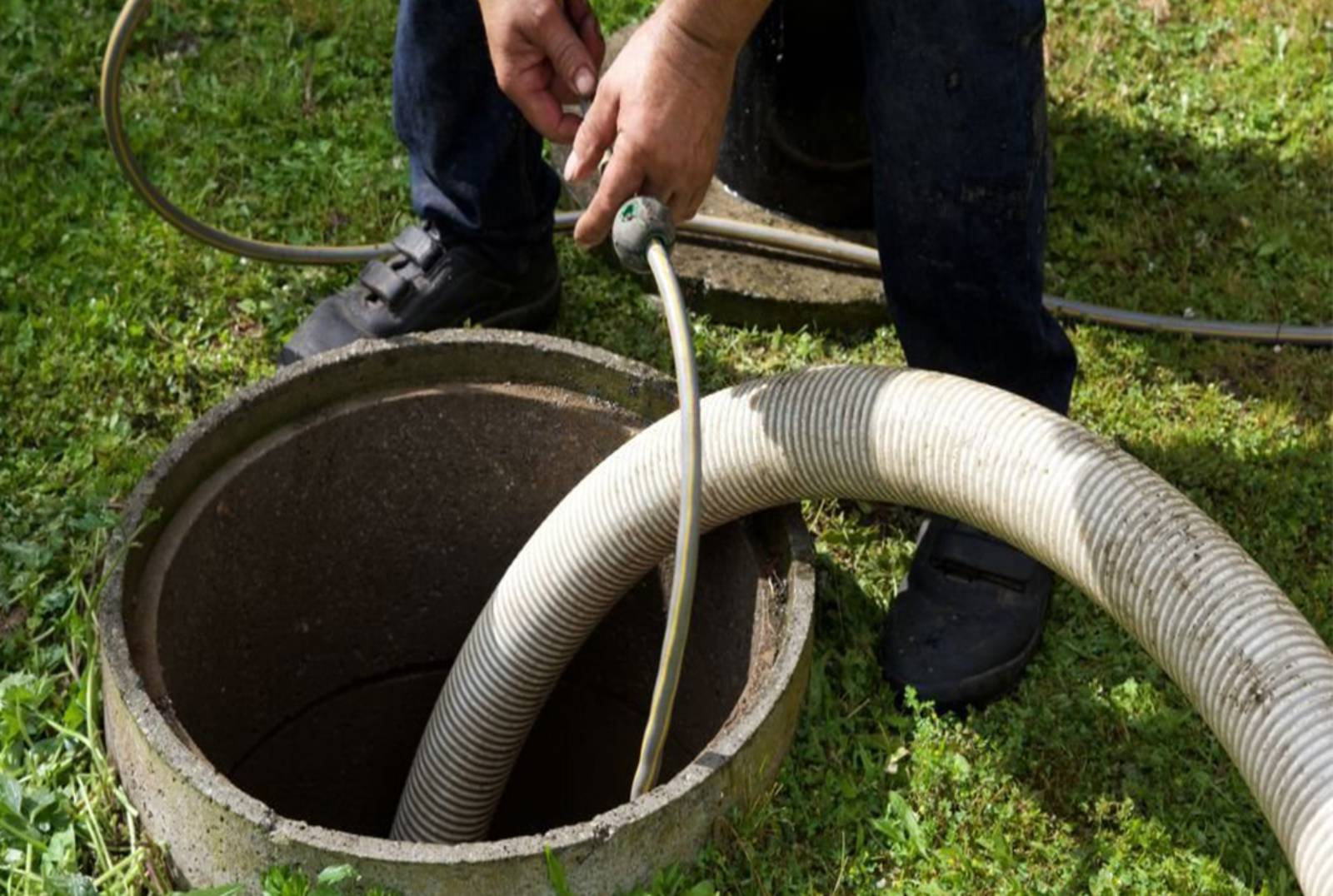
A good septic contractor’s job doesn’t end with the installation. Regular maintenance is essential to keep your system operating smoothly for years to come. That’s where septic tank pumping and septic tank cleaning come in.
Over time, solid waste builds up in the tank. If it isn’t removed through periodic pumping, it can overflow into the drain field and cause blockages, contamination, or even system failure. Most households require septic tank pumping every 3 to 5 years, but this can vary based on tank size and household usage.
Septic tank cleaning goes a step further by removing sludge and scum from the walls of the tank, helping maintain capacity and performance. These services are often provided by the same contractor who installed your system, ensuring continuity of care and a deep understanding of your property’s needs.
Should any issues arise, such as slow drains, foul odors, or standing water in the yard, your septic contractor is your first call. They have the experience and equipment to diagnose and repair problems before they escalate. Whether it’s a clogged pipe, a cracked tank, or a failing drain field, a seasoned contractor can restore your system and keep it running efficiently.
When you work with a professional septic contractor from start to finish, you gain peace of mind. You’ll know your septic tank installation is done right, your system meets local codes, and you have a trusted resource for septic tank pumping and septic tank cleaning in Rock Hill in the years ahead.
In short, a septic contractor is not just someone who installs a tank—they are a vital partner in your property’s long-term health and sanitation. Investing in the right contractor today can save you thousands in future repairs and ensure your system works reliably for decades.
21
Why Harsh Chemicals Can Destroy Your Septic Tank Your septic system is one of the most important parts of your…
Read more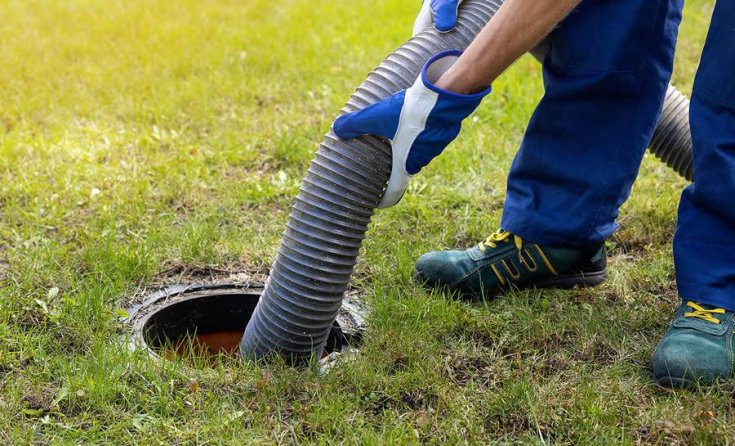
14
Why Homeowners Trust Professional Septic Services A healthy septic system is one of the most important parts of any home,…
Read more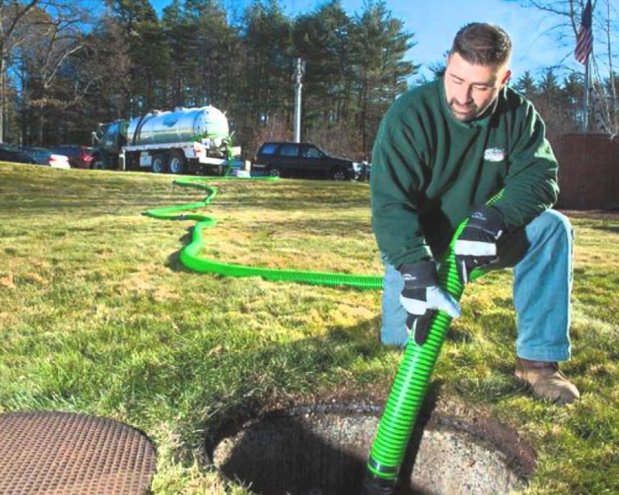
06
Behind the Scenes: What a Septic Company Does on a Job Site Most homeowners know they need septic help when…
Read more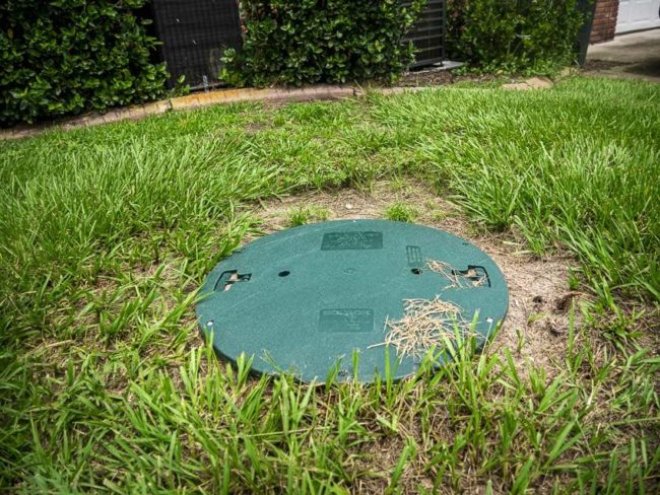
29
Quick Septic Tank Tips You Can Do in 5 Minutes Keeping your septic system in good condition doesn’t always require…
Read more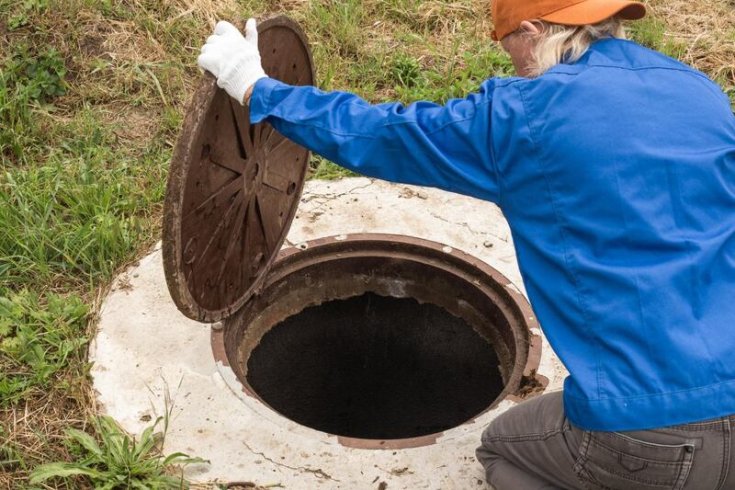
22
Can Heavy Rain Affect Your Septic System? Here’s the Truth When heavy rain hits your area, most homeowners think about…
Read more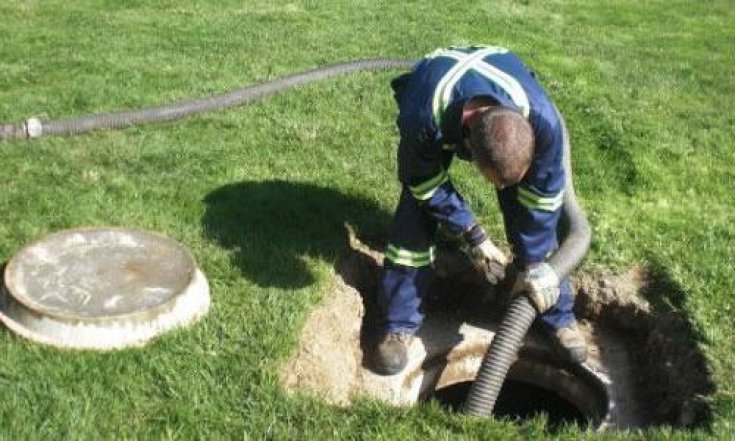
20
How to Extend the Life of Your Septic System Without Stress A well-maintained septic system is one of the most…
Read more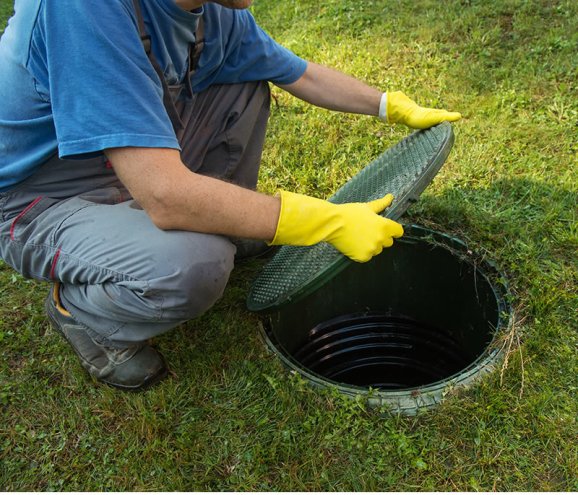
12
What I Wish I Knew Before Buying a Home with a Septic System Buying a home is an exciting milestone,…
Read more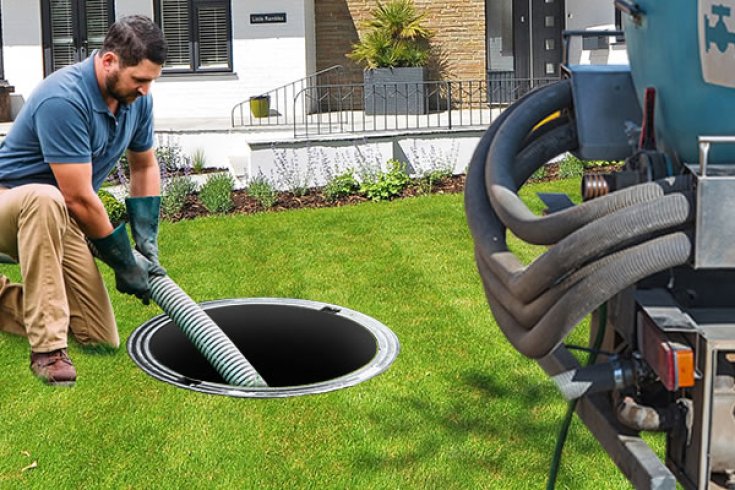
05
Emergency Septic Pumping: When You Should Call a Professional Septic systems are designed to handle household waste efficiently, but when…
Read more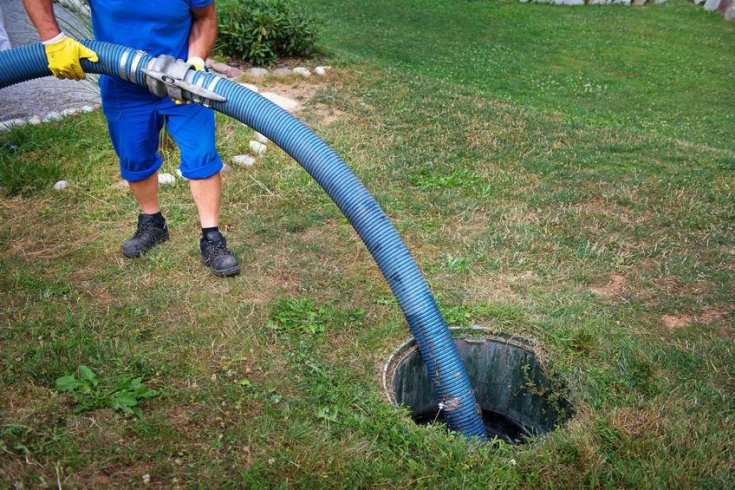
27
Why Is There Standing Water Near My Septic Tank? If you’ve noticed standing water near your septic tank, it’s a…
Read more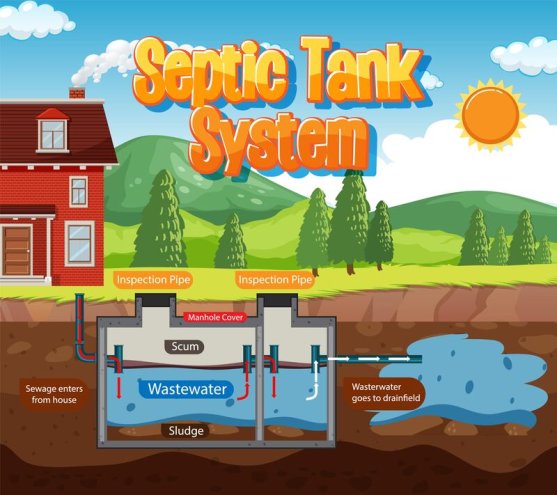
19
From Flush to Breakdown: The Journey Inside a Septic Tank When you flush your toilet or send water down your…
Read more