
Call Today to Get
$50 OFF Septic Repair
Call Today to Get
$50 OFF Septic Repair

07
The drain field, also known as the leach field, serves to dispose wastewater from your home. If it’s not taken care of properly, it can lead to many damages both to the septic tank and your home. Here are six ways to help prevent damage to your drain field. Involving septic tank cleaning and working with a trusted septic company in Kannapolis will also be helpful in prevention.
Damage to drain fields often occurs due to vehicles driving or parking on top of them. The soil can be compressed by the heavy weight, causing wastewater distribution problems and potentially harming underground pipes and chambers. Make sure that all vehicles are prohibited from driving or parking on the drain field area.
Planting trees or big shrubs close to the drain field can endanger its stability. The roots of these plants can penetrate the pipes and chambers, leading to blockages and harm to the structure. Moreover, the roots that seek water can take in extra moisture from the soil, causing an unequal spread of wastewater and a risk of system breakdown. It is advisable to refrain from planting trees and shrubs with deep roots close to the drain field.
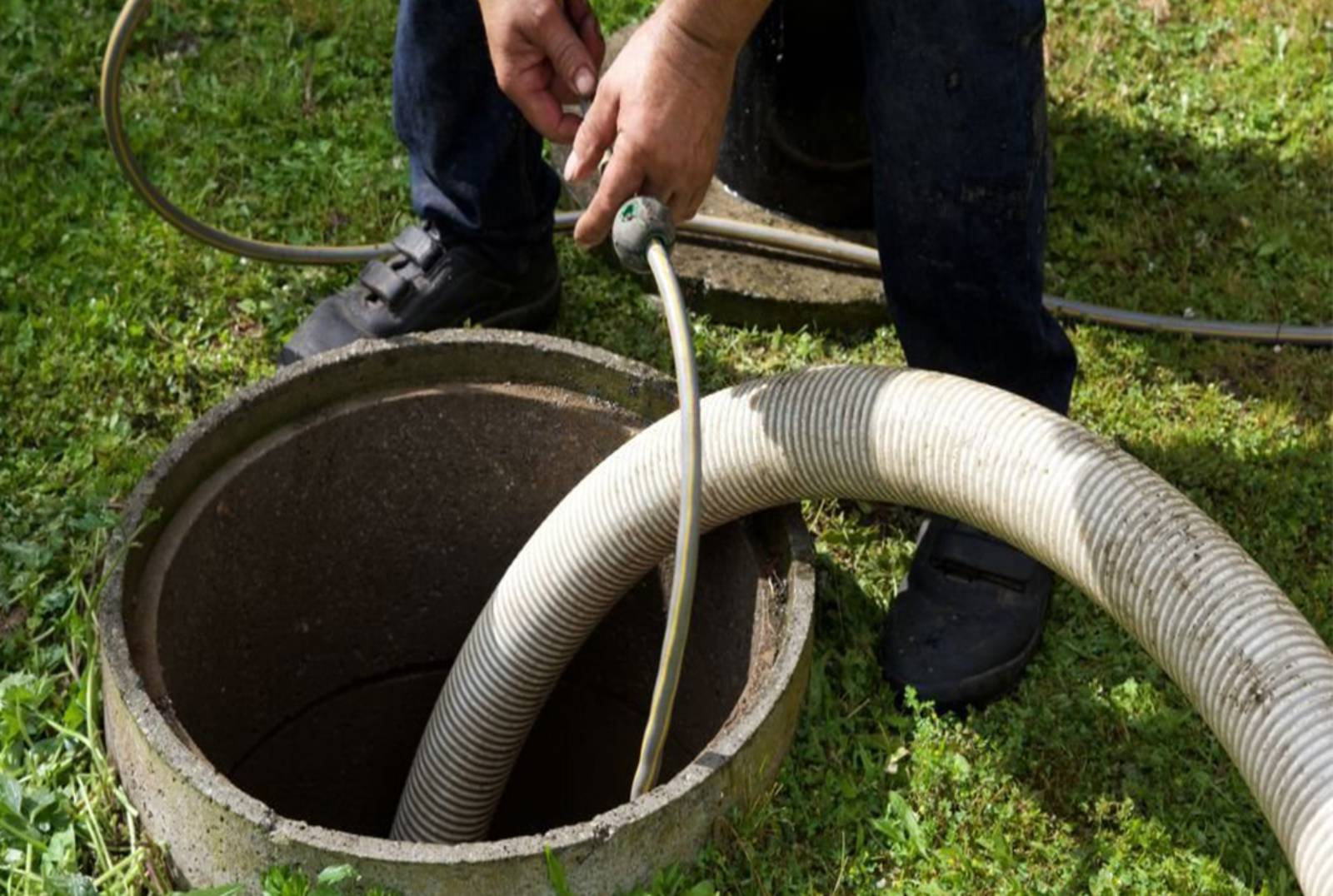
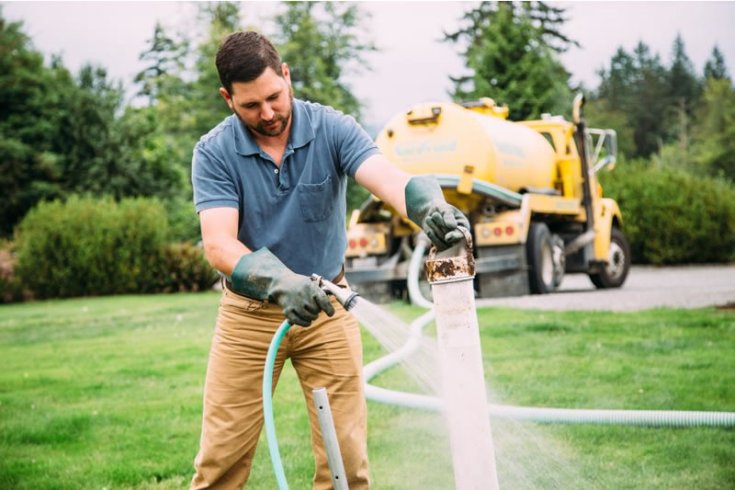
One important step you should never skip is pumping out your tank. If your septic tank is too full, there’s a risk of it overflowing and leaking into the drain field, causing the pipes to clog. A professional septic company can analyze your septic tank and determine how often you need septic tank pumping.
Just like pumping, septic tank cleaning should also be integrated into septic owners’ routines. It is crucial to have your septic tank regularly cleaned to ensure the proper functioning of the entire system, including the drain field. Cleaning eliminates extra solids and grease that may block the tank and ultimately end up in the drain field. Scheduling regular cleanings with Charlotte Septic Pros will lower the chance of expensive damage and prolong the lifespan of your system.
Excessively using water can lead to your septic system becoming dysfunctional. Therefore, be gentle with the faucets, repair leaks quickly, and perhaps do not wash all your clothes simultaneously. Conserving water not only benefits your body, but also rejuvenates it.
Don't forget, your drains should not be treated like garbage bins. Avoid placing non-biodegradable items, oils, and chemicals in the plumbing system. Disposing of pills through the toilet may not seem extreme, but it can cause serious issues for your plumbing. Be cautious, adhere to disposal guidelines in your area, and prevent your medications from transforming your plumbing into a drugstore. If any issues arise and you become in need of septic tank repair, call our experts at Charlotte Septic Pros.
Arrange routine evaluations and servicing of your septic system conducted by a skilled technician. An experienced technician from Charlotte Septic Pros can detect problems early and suggest necessary septic tank repairs or preventative actions to safeguard the drain field. Regularly emptying the septic tank is crucial to eliminate built-up solids and avoid their entry into the drain field.
We are also here to help with other services besides prevention tips, such as septic tank installation and inspections. Don’t leave it for tomorrow, schedule with us today.
12
Why Experience Matters in Septic System Maintenance A septic system plays a major role in keeping a property safe, clean,…
Read more
04
Residential vs Commercial Septic Services: What’s the Difference? Septic systems may all serve the same basic purpose—collecting, treating, and dispersing…
Read more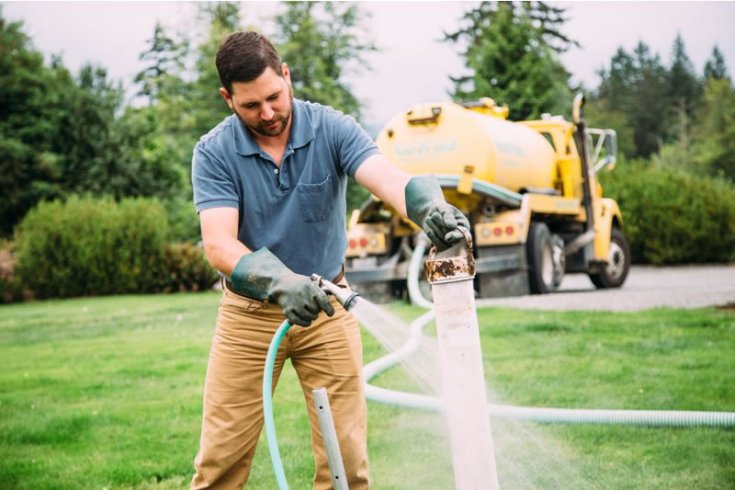
29
How to Protect Your Septic System During Busy Household Seasons Busy household seasons can put extra pressure on your septic…
Read more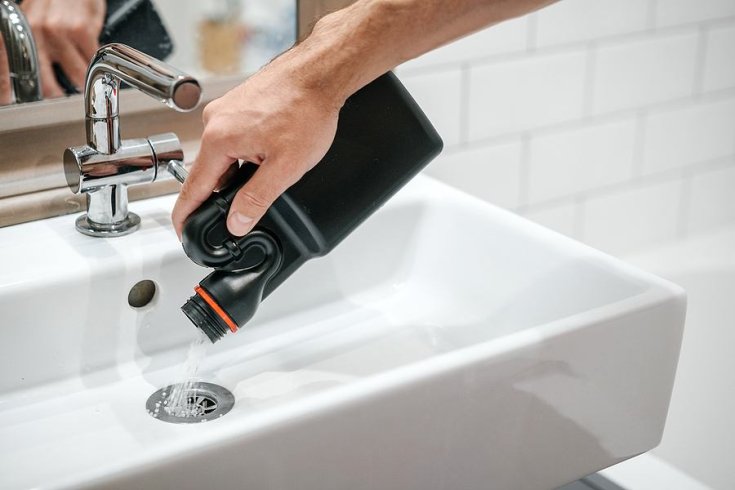
21
Why Harsh Chemicals Can Destroy Your Septic Tank Your septic system is one of the most important parts of your…
Read more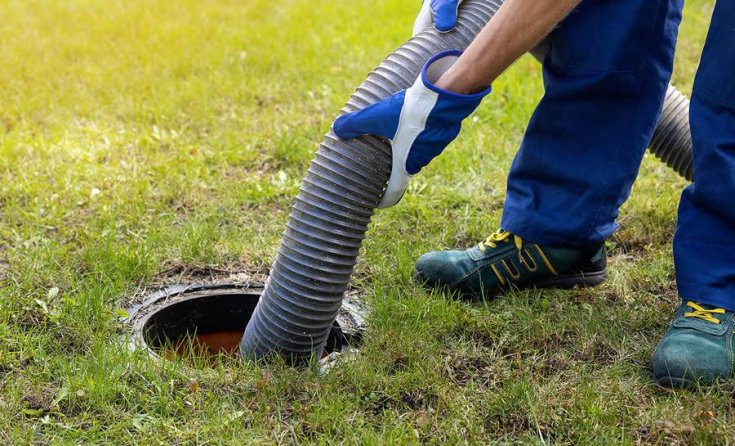
14
Why Homeowners Trust Professional Septic Services A healthy septic system is one of the most important parts of any home,…
Read more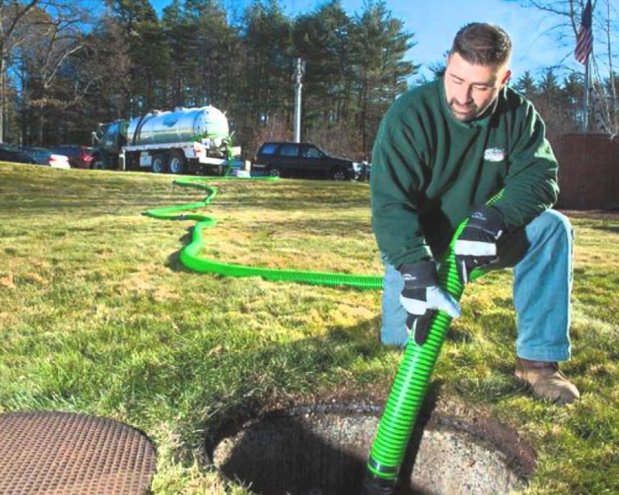
06
Behind the Scenes: What a Septic Company Does on a Job Site Most homeowners know they need septic help when…
Read more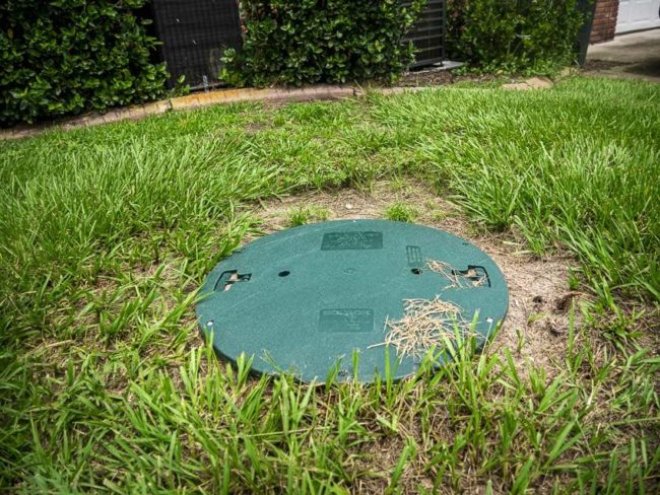
29
Quick Septic Tank Tips You Can Do in 5 Minutes Keeping your septic system in good condition doesn’t always require…
Read more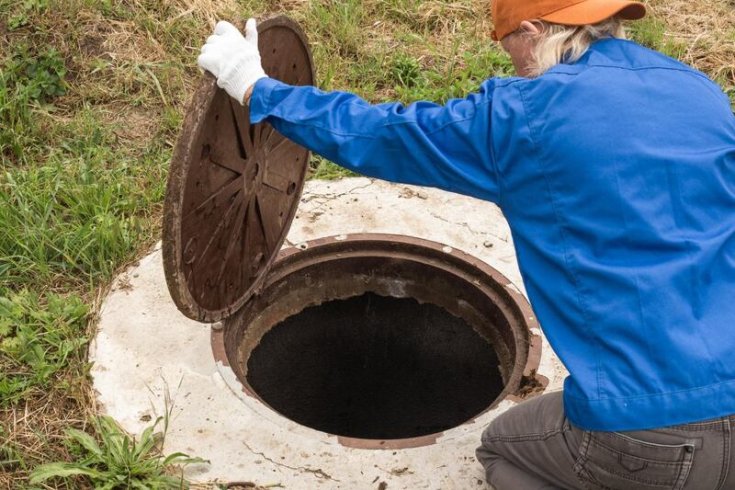
22
Can Heavy Rain Affect Your Septic System? Here’s the Truth When heavy rain hits your area, most homeowners think about…
Read more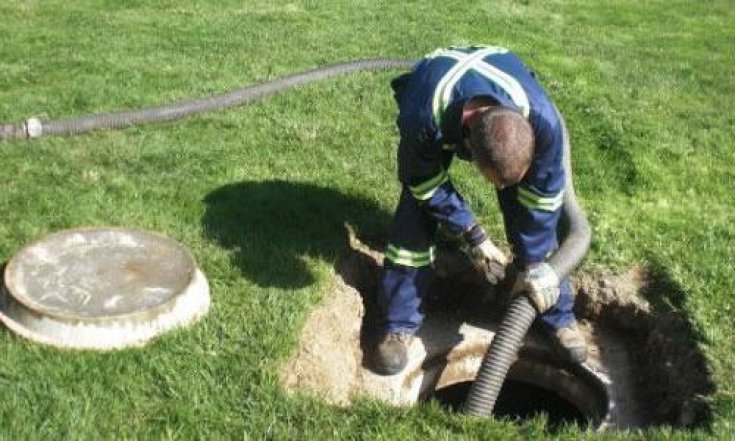
20
How to Extend the Life of Your Septic System Without Stress A well-maintained septic system is one of the most…
Read more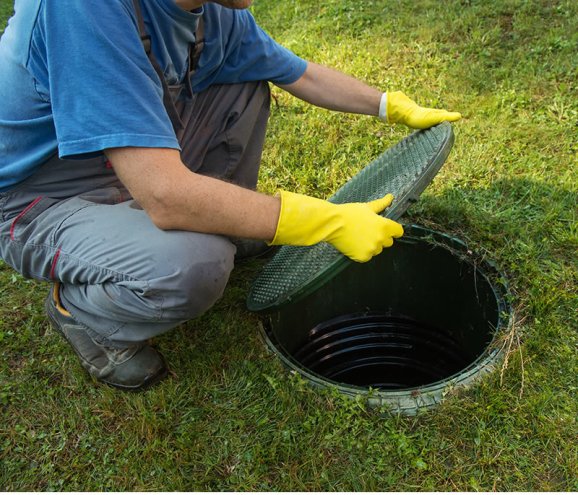
12
What I Wish I Knew Before Buying a Home with a Septic System Buying a home is an exciting milestone,…
Read more