
Call Today to Get
$50 OFF Septic Repair
Call Today to Get
$50 OFF Septic Repair
22
A septic system is an essential part of every home, but it's often overlooked until something goes wrong. Septic issues can be a hassle and cause significant damage to your property if not addressed promptly. Luckily, there are several tips you can follow to avoid septic issues.
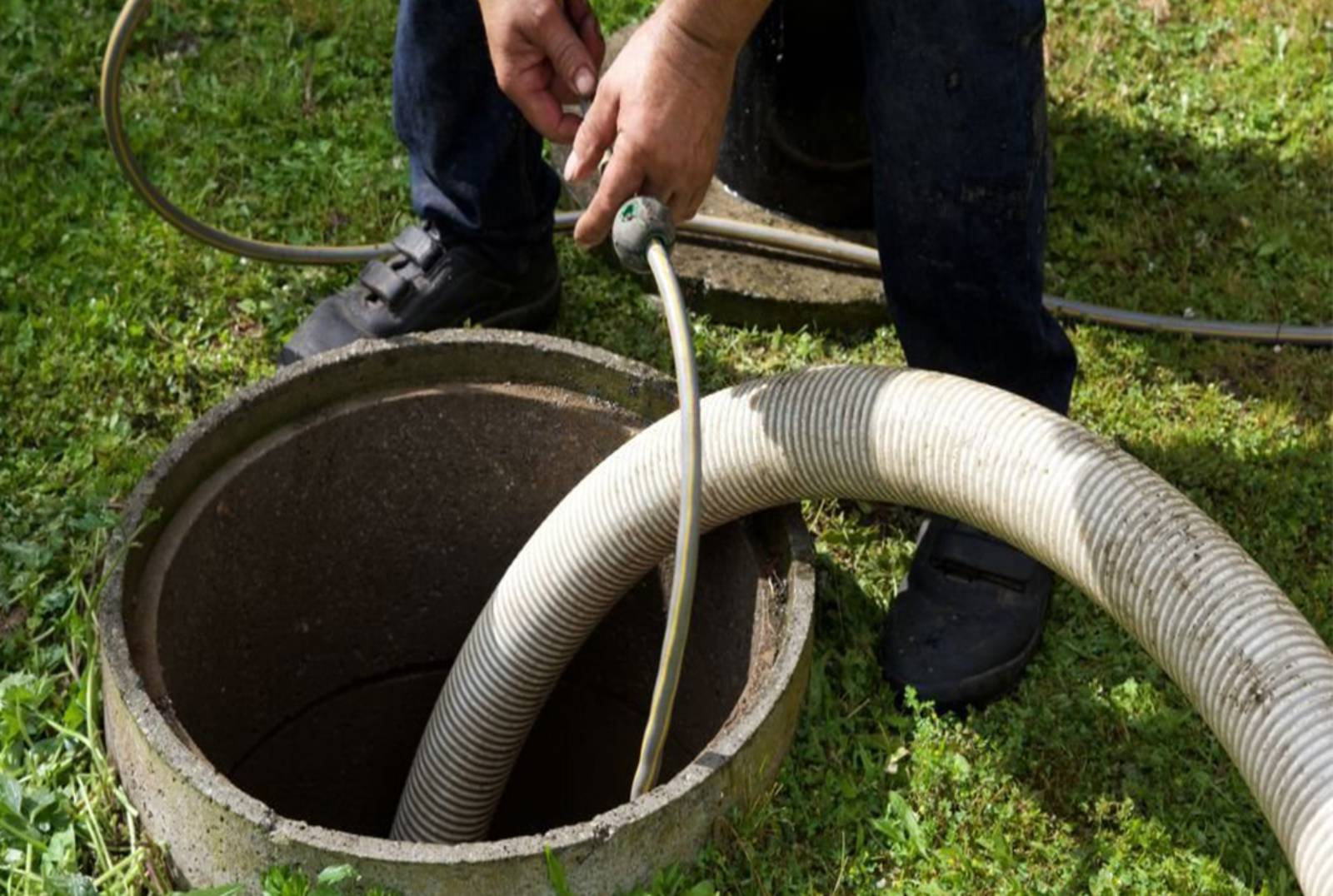
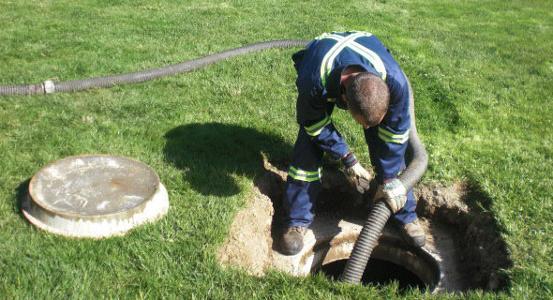
First and foremost, regular septic tank pumping is crucial. A septic tank is designed to hold waste and wastewater, but over time, it can become full, leading to blockages and other problems. A septic tank should be pumped every three to five years, depending on usage and the size of your tank. A reliable septic company can help you determine how often your septic tank should be pumped.
It's important to note that pumping your septic tank too frequently can also cause problems. Pumping too often can remove the essential bacteria needed to break down waste properly. If you're unsure about the frequency of septic tank pumping, consult a professional at Charlotte Septic Pros.
Another tip to avoid septic issues is to be mindful of what goes into your septic system. Your septic tank is not a trash can, and it's essential to avoid flushing or draining anything that doesn't belong there. Items such as cooking grease, feminine hygiene products, dental floss, and cigarette butts should never be disposed of in your septic system. These items can clog pipes and cause significant problems.
It's also important to be mindful of what you put down your drains. Even if an item is biodegradable, it can still cause issues in your septic system. For example, excessive food scraps and oils can build up in your septic system, causing clogs and other problems. To avoid these issues, use a strainer in your kitchen sink to catch food scraps and dispose of them in the trash.
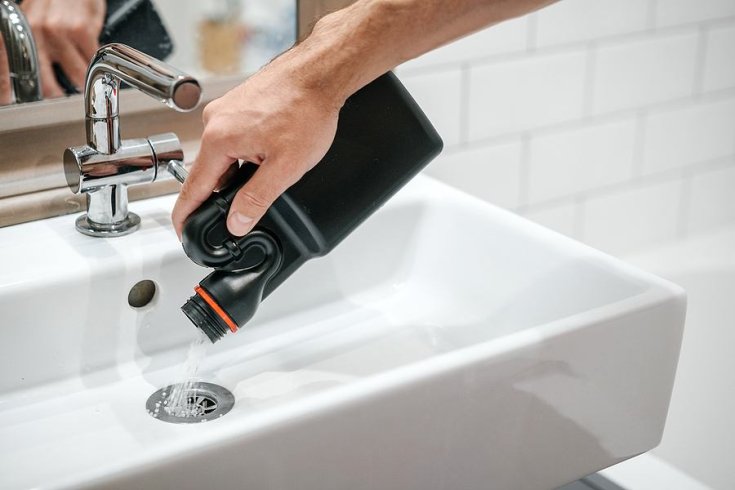
Additionally, avoid pouring chemicals down your drains. Chemicals such as drain cleaners, bleach, and disinfectants can kill the good bacteria in your septic system, causing it to malfunction. Instead, use natural products such as baking soda and vinegar to clean your drains and toilets.
Regular maintenance of your septic system is another crucial tip to avoid septic issues. A professional septic company can inspect your system regularly to ensure it functions correctly. They can also identify and repair any minor issues before they become major problems.
If you notice any signs of septic problems, such as slow drains, foul odors, or sewage backup, it's crucial to address them immediately. Ignoring these signs can lead to more significant issues and costly repairs. Call Charlotte Septic Pros so we can diagnose and repair any problems with your septic system.
To sum it up, regular septic tank pumping, being mindful of what goes into your septic system, regular maintenance, and addressing any issues promptly are crucial tips to avoid septic issues. Charlotte Septic Pros can help you maintain your septic system. Make sure to follow these tips so they can help you avoid costly repairs and protect your property from septic damage.
21
Why Harsh Chemicals Can Destroy Your Septic Tank Your septic system is one of the most important parts of your…
Read more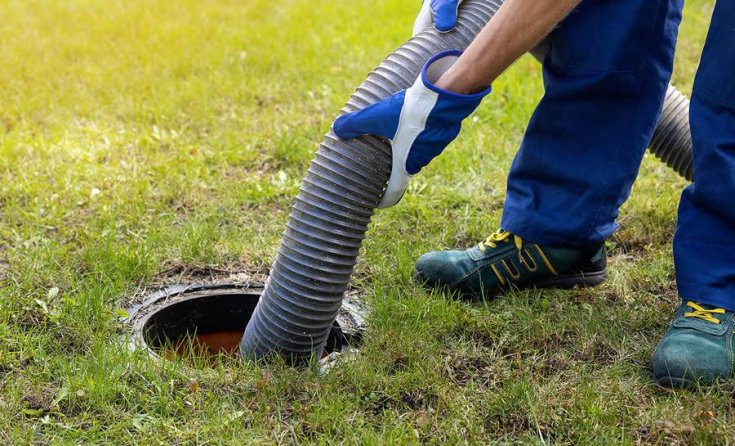
14
Why Homeowners Trust Professional Septic Services A healthy septic system is one of the most important parts of any home,…
Read more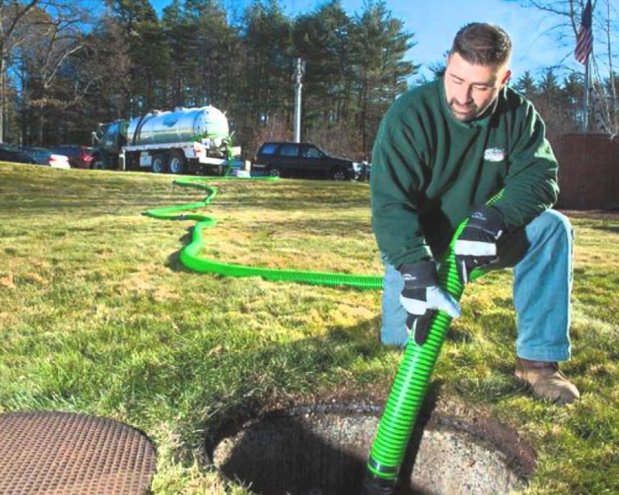
06
Behind the Scenes: What a Septic Company Does on a Job Site Most homeowners know they need septic help when…
Read more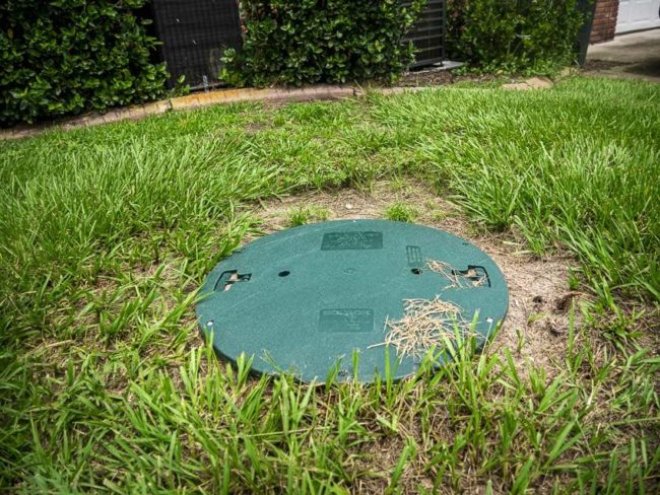
29
Quick Septic Tank Tips You Can Do in 5 Minutes Keeping your septic system in good condition doesn’t always require…
Read more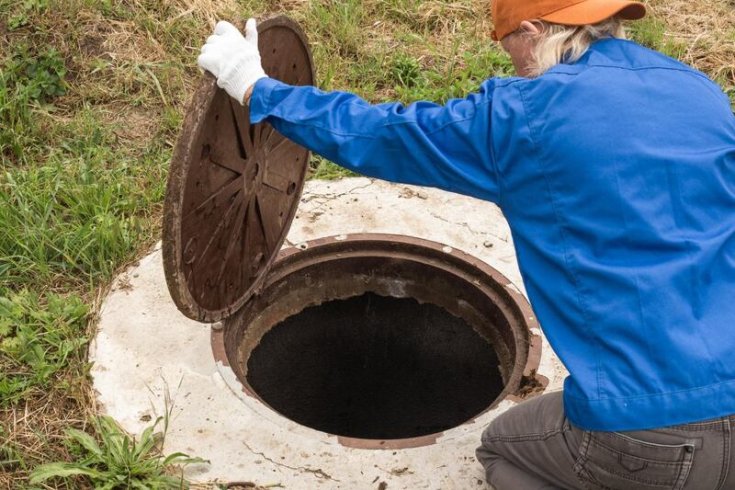
22
Can Heavy Rain Affect Your Septic System? Here’s the Truth When heavy rain hits your area, most homeowners think about…
Read more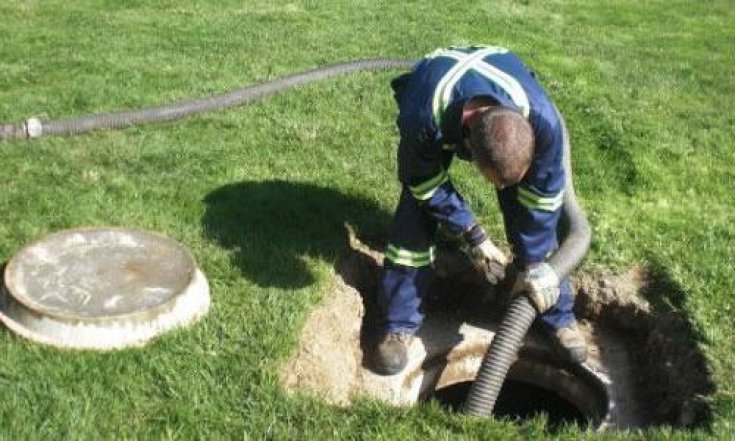
20
How to Extend the Life of Your Septic System Without Stress A well-maintained septic system is one of the most…
Read more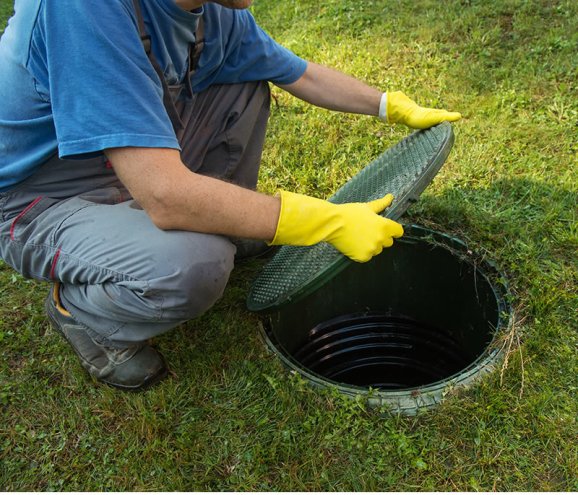
12
What I Wish I Knew Before Buying a Home with a Septic System Buying a home is an exciting milestone,…
Read more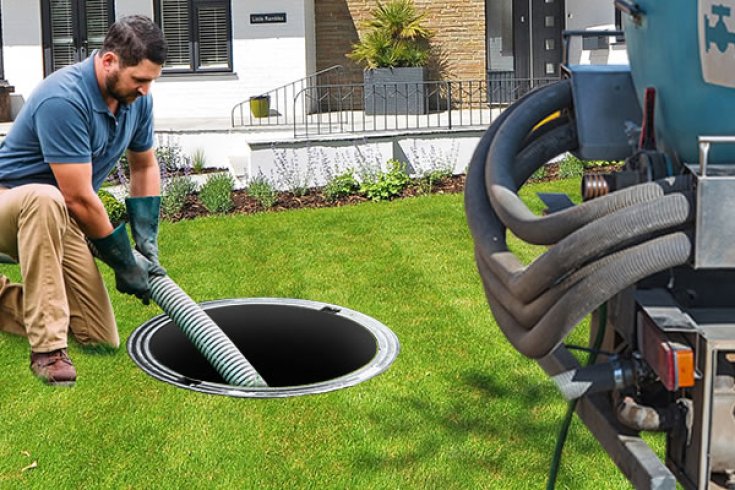
05
Emergency Septic Pumping: When You Should Call a Professional Septic systems are designed to handle household waste efficiently, but when…
Read more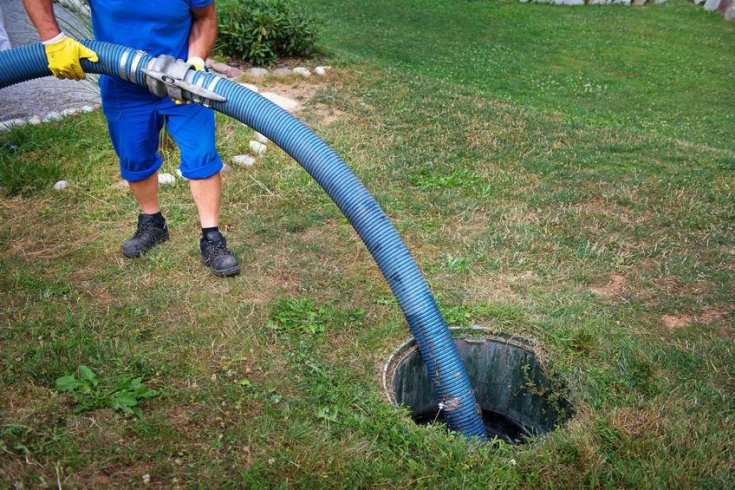
27
Why Is There Standing Water Near My Septic Tank? If you’ve noticed standing water near your septic tank, it’s a…
Read more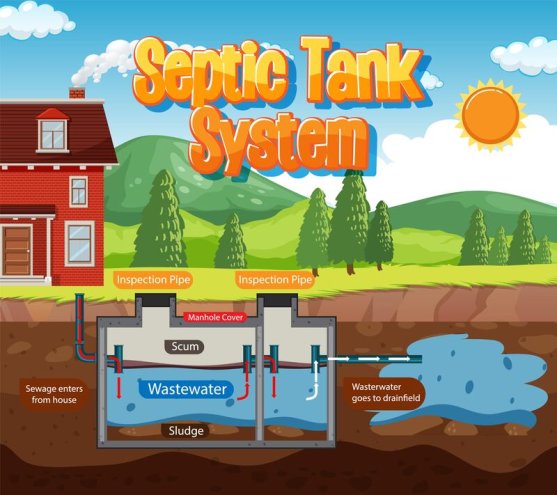
19
From Flush to Breakdown: The Journey Inside a Septic Tank When you flush your toilet or send water down your…
Read more