

Call Today to Get
10% OFF Septic Repair
Call Today to Get
10% OFF Septic Repair

08
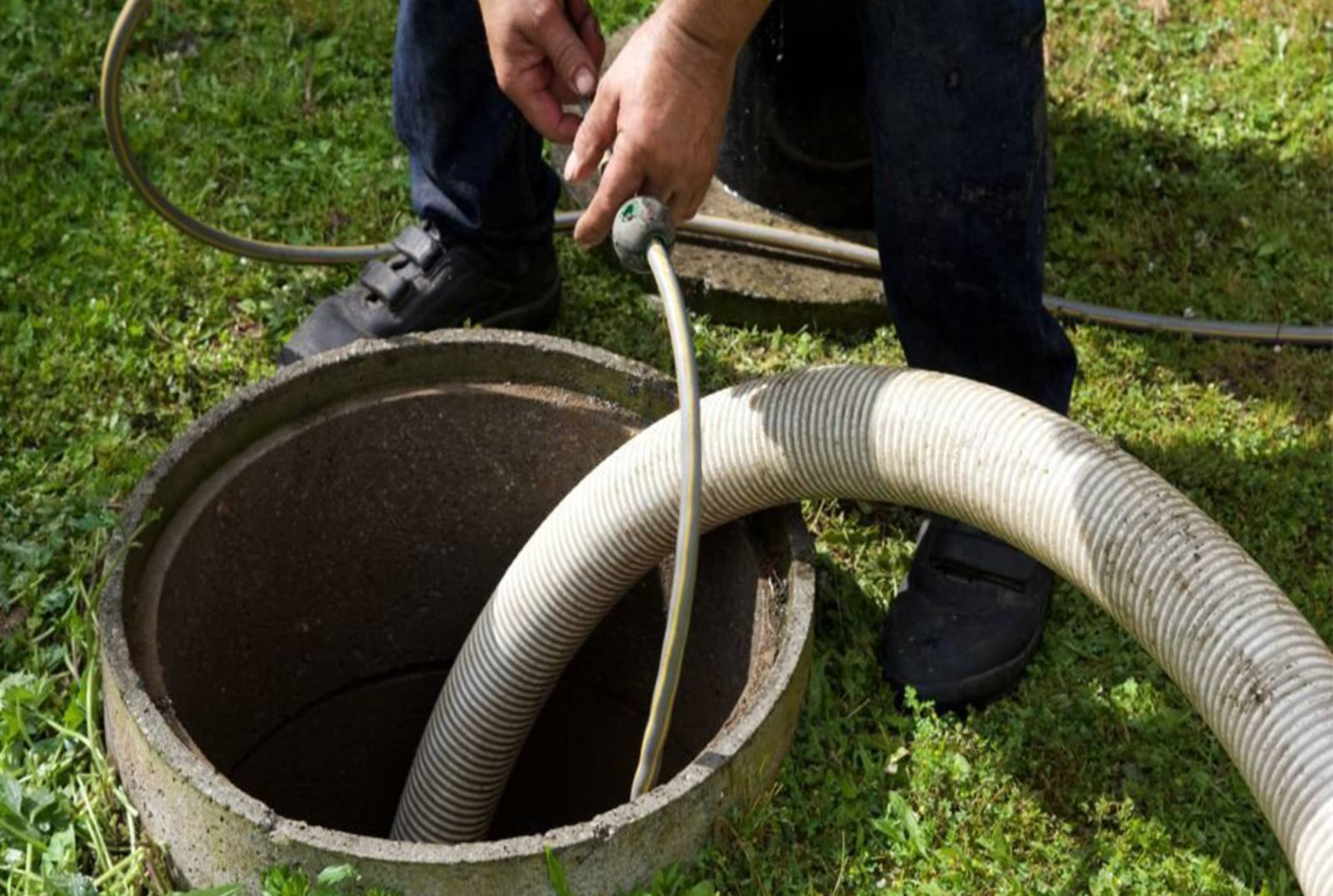
When most homeowners think about septic tank maintenance, they picture a technician removing the tank lid, pumping out the waste, and leaving. But professional septic service involves much more than simply emptying a tank. At Charlotte Septic Pros, every septic tank pumping in Huntersville, NC visit is an opportunity to inspect what is happening beneath the surface and identify potential problems before they become expensive repairs.
One of the first things a technician evaluates during septic cleaning is the amount of sludge and scum inside the tank. Wastewater naturally separates into layers. Heavy solids settle at the bottom as sludge, while lighter materials such as grease and oils float to the top as scum. The liquid effluent remains between these layers.
Measuring these levels helps determine how well the tank is functioning and whether pumping is necessary. Excessive sludge or scum can reduce the tank's usable capacity and increase the risk of solids entering the drainfield.
A septic tank may look perfectly normal from the outside while developing problems underground. During a professional septic inspection, technicians look for cracks, structural damage, corrosion, deteriorating components, and other signs that the tank may not be operating properly.
Concrete tanks can develop cracks over time, while older systems may experience deterioration around seams, lids, or inlet and outlet connections. Catching these issues early can prevent wastewater from escaping into the surrounding soil or groundwater.
The inlet and outlet pipes play an important role in controlling the movement of wastewater through the system. Technicians check these areas for blockages, buildup, damage, or other issues that could interfere with normal flow.
The outlet area is particularly important because it helps prevent solids from leaving the tank and entering the drainfield. If solids reach the drainfield, they can clog the soil and contribute to costly system failure.
Baffles help direct wastewater into and out of the septic tank while keeping floating solids where they belong. During septic service, technicians inspect these components to make sure they are intact and functioning correctly.
Depending on the system, an effluent filter may also be present. This filter helps keep smaller solid particles from reaching the drainfield. A clogged or damaged filter can restrict flow, which is why regular inspection and cleaning can be an important part of septic maintenance.
Experienced technicians also pay attention to what may not be immediately obvious. Unusual odors, excessive water, grease buildup, unusually high sludge levels, or evidence of groundwater entering the tank can all provide clues about potential problems.
These observations can help homeowners address issues while they are still manageable rather than waiting for symptoms such as slow drains, sewage backups, or standing water in the yard.
Regular septic cleaning and maintenance can help extend the life of your system, protect your drainfield, and reduce the likelihood of unexpected emergencies. How often your tank needs service depends on factors such as household size, tank capacity, water usage, and the amount of solids entering the system.
At Charlotte Septic Pros, we look beyond the lids. Our goal is to understand what is happening inside your septic tank so you can make informed decisions about maintenance and repairs. A routine inspection today can help keep your septic system working reliably for many more years.

05
Can You Tell When Your Septic Tank Needs Pumping Without Opening It? Knowing when your septic tank needs pumping is…
Read more
29
Septic Tank Cleaning Isn't Just About Removing Waste—Here's Why It Matters For homeowners who rely on septic systems, regular maintenance…
Read more
24
Why Transparent Upfront Pricing Matters for Your Septic Service When your septic system needs attention, the last thing you want…
Read more
17
Planning a Backyard Upgrade? Don't Forget What’s Underground A backyard upgrade can transform your outdoor space into a more comfortable…
Read more
08
Beyond the Lids: What We Actually Look for Inside Your Septic Tank When most homeowners think about septic tank maintenance,…
Read more
03
5 Weird Noises Your Plumbing Makes When Your Septic System Needs Help Your plumbing usually operates quietly, so strange sounds…
Read more
25
Is That Smelly Yard Dangerously Toxic? Understanding Septic Odors A strange or unpleasant smell coming from your yard can be…
Read more
18
Septic System vs. Public Sewer: What New Homebuyers Need to Know Buying a home comes with a long list of…
Read more
13
Is Your Toilet Gurgling? What Your Plumbing Is Trying to Tell You A gurgling toilet is not an odd sound…
Read more
05
Tales from the Tank: The Craziest Things Found During a Routine Pumping Job When most homeowners think about septic tank…
Read more